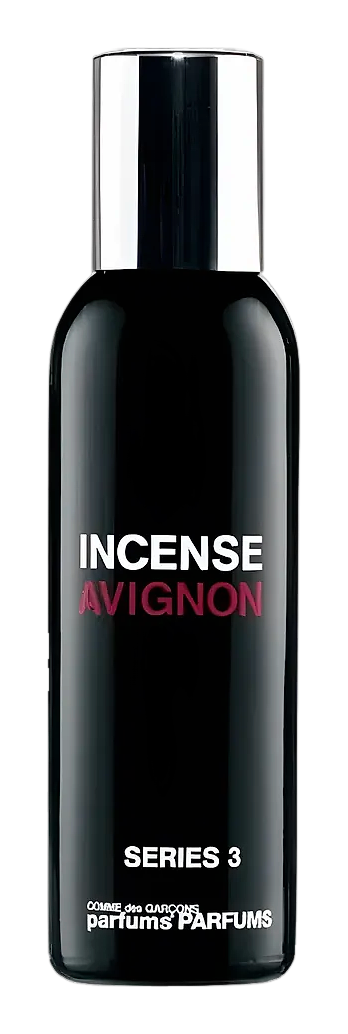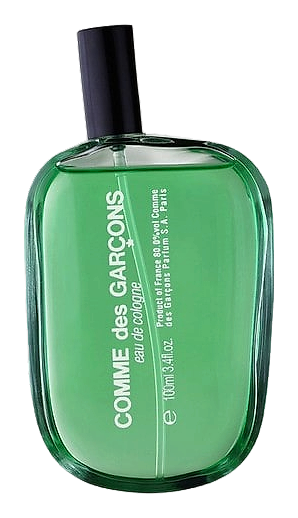

The Story
Why it exists.
The beginning
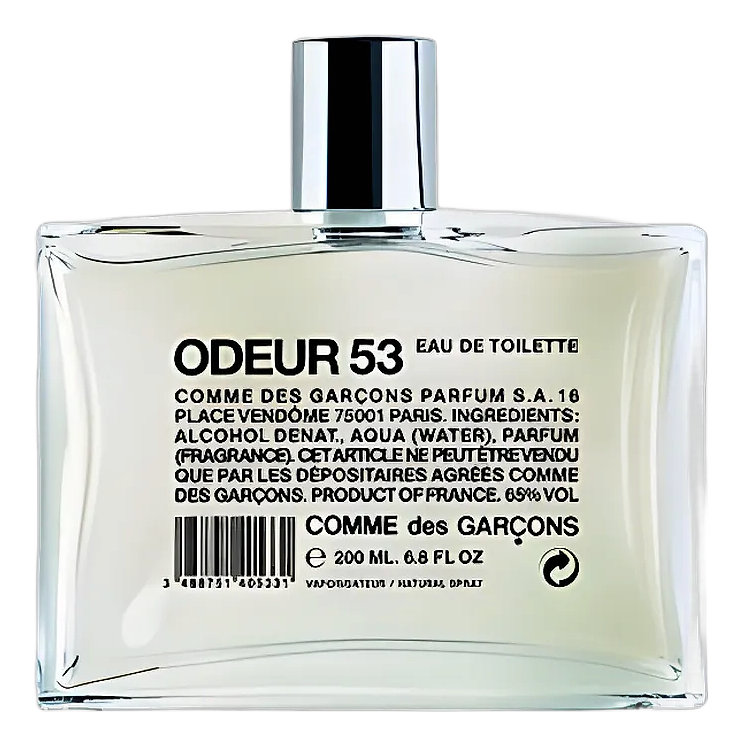
Mark Buxton composed a cologne that refused to behave like one. No fresh soapy opening. No safe aquatic middle. Just a flat contradiction of what the word 'cologne' implied at the time. It subverts expectations while wearing the familiar trappings of a classic form. The structure itself makes the statement, inviting the wearer to reconsider what a cologne can be.
What makes this interesting isn't the ingredients, it's the structure. That aldehyde-bergamot-lime opening reads almost classical, like a Chanel in waiting. Then the heart detonates: twelve ingredients, warm spices and florals that pull in every direction at once. The contrast between a familiar citrus opening and a heart that refuses to be conventional is the whole point. The composition unfolds like a carefully constructed argument, each note taking a position.
The evolution
The aldehydes hit first, bright, fizzy, immediate. That champagne quality fades as bergamot and lime take over. Then the hand-off: cinnamon and clove arrive with purpose, followed by Turkish rose doing something quietly luxurious. Honey appears in the middle act, threading sweetness through the spice without softening it. The drydown belongs to cedar and frankincense, a quiet, resinous warmth that lingers closest to the skin, present and personal rather than announced.
Cultural impact
This cologne attracted attention slowly, finding its audience through repeated wearing rather than immediate impact. It was reissued in 2017 through the Olfactory Library series, confirming it had outlasted its original moment without becoming dated. The reissue suggests something worth noting: fragrances that challenge convention often find their time later rather than sooner.