The Story
Why it exists.
The beginning
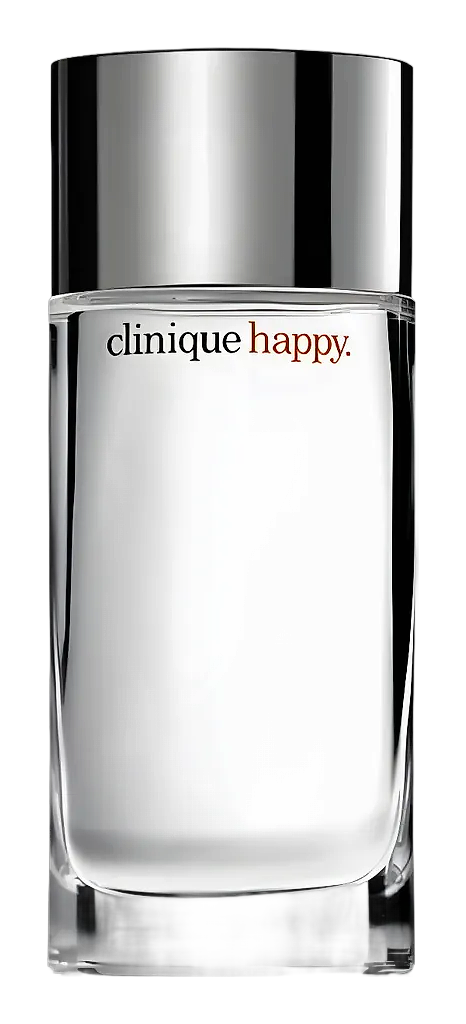
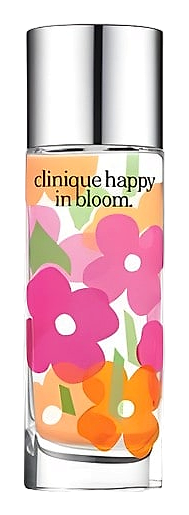
Clinique introduced Happy In Bloom in 2010 as a limited edition collector's bottle, a seasonal chapter within their established Happy fragrance family. The brand conceived it around a specific sensory idea: the awakening of nature after winter, translated into scent. Rather than leaning on complexity or depth, this edition sought to capture spring's arrival with immediacy, a fragrance that smelled like the moment itself, not a memory of it. The collector's bottle format signaled its special-edition status within the broader Happy line, positioning it as a seasonal event rather than a permanent addition. Clinique framed it as a fragrance for 2010, a companion for the year ahead, which gave it the energy of something fleeting and desirable. The Happy franchise had established Clinique as a house capable of accessible, appealing fragrances, bright citrus openings, clean florals, a general mood of uncomplicated optimism.
What makes Happy In Bloom 2010 structurally interesting is how its two note categories, floral and aquatic, work as a single idea rather than separate phases. Clinique's composition doesn't treat water notes as a separate layer or a base. Instead, the water element permeates the florals from the start, creating a hybrid character that reads as dewy rather than watery. This integration is unusual because most floral-aquatic fragrances position the aquatic accord as a cool counterpoint to warmer floral heart notes. Here, the freshness is the point from the first spray. The florals function without significant green or citrus interruption, which keeps the composition soft-edged and consistent.
The evolution
The opening arrives without ceremony. No sharp citrus, no aldehyde pop, just fresh florals meeting water, immediately and completely. There is no reveal here. The scent announces itself as finished, ready to be worn. For the first hour, the florals stay close and consistent, supported by that persistent aquatic quality underneath. The water notes don't deepen or change character; they simply hold. What changes is the florals themselves, which settle into skin with a softer quality, like petals releasing their fragrance into warmth rather than projecting outward. By hour two, the composition has quieted into its most intimate register. This is a fragrance that becomes closer to the skin as time passes, not louder. The floral freshness remains present but compressed, noticeable mainly to someone leaning in. On fabric, the story is gentler and longer. The water-floral blend clings to clothing in a way that keeps it readable for several hours past the point where skin has moved on.
Cultural impact
Happy In Bloom 2010 arrived during a period when the broader fragrance market was exploring florals in seasonal limited editions, Clinique's entry fit its established Happy franchise into that frame. The Happy line had already established Clinique as a house capable of approachable, appealing fragrances, and the In Bloom chapter extended that vocabulary into something deliberately seasonal. The collector's bottle format reflected a growing trend of treating fragrance as collectible object, not just wearable product. For Clinique's audience, who valued the brand's clinical credibility alongside sensory appeal, this edition offered a way to engage with the brand through scarcity and season rather than through the deeper aromatic commitments of Aromatics Elixir.