The Story
Why it exists.
The beginning
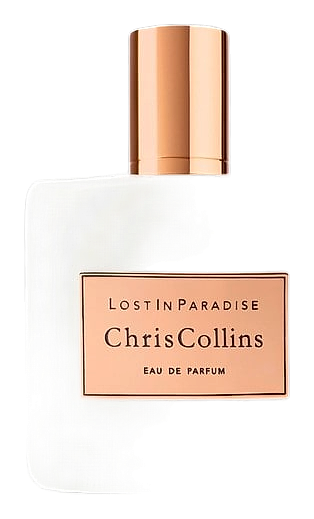
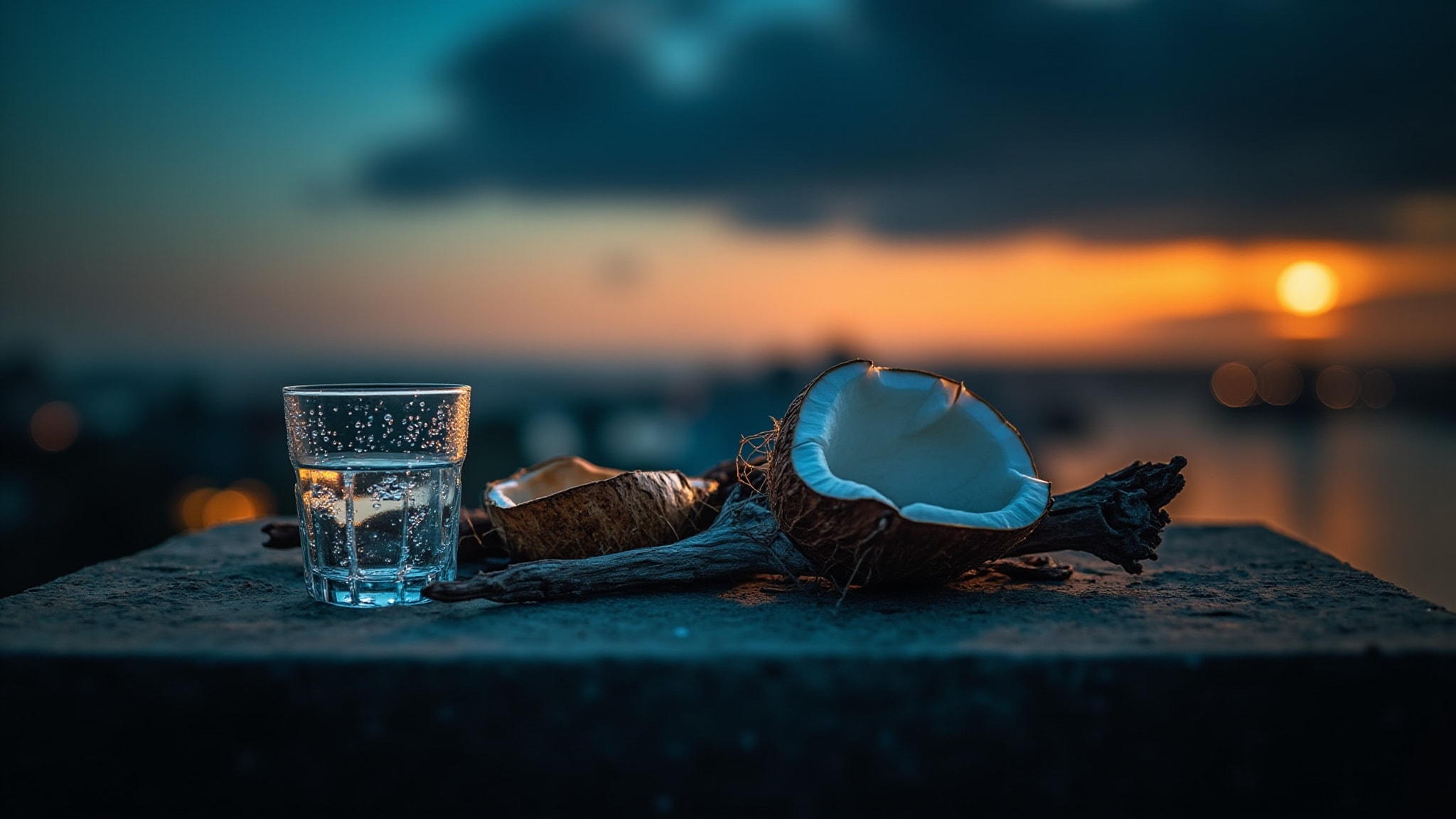
Lost in Paradise belongs to the Anima collection, Chris Collins's ongoing exercise in translating emotional states into scent. This one chases stillness. The name says it plainly: paradise, but the kind you get genuinely lost in, not the kind on a postcard. Jérôme Epinette built the composition around a tension that sounds simple but isn't, tropical freshness held against warm, almost drowsy florals. Coconut water opens bright and clean. Ylang-ylang arrives and deepens everything. The salt anchors the base, lending an oceanic depth that emerges as the florals soften. That's the whole idea: a tropical oasis that actually smells like somewhere, not just the idea of somewhere.
The most interesting structural choice is the salt. Not as a top note that flashes and fades, but as a base that grows. The salt lingers beneath the florals, strengthening as the composition settles. Most aquatics lead with their marine element and recede gracefully. Lost in Paradise does something different. It opens lush and floral, then becomes saltier as it settles. That inverted arc is what makes the drydown feel earned rather than promised. The ylang-ylang carries a natural thickness that some noses read as tropical and others read as intense.
The evolution
The coconut water opens clean and immediate, like mist off a tropical sea. For the opening phase, ylang-ylang announces itself with characteristic weight. Thick, almost waxy sweetness. Some find this phase intense. That's fair. It is. The florals don't ask permission. Then the hand-off. Bamboo's clean green quality threads through the ylang-ylang, keeping the heart from going fully heady. Wild orchid adds a nuanced floral layer, not loud, just present. The peach skin sits quietly underneath, offering skin-like sweetness without going gourmand. As the composition settles, the salt takes over. Driftwood and musk keep everything grounded, but the salt is the story now. This is where the fragrance earns its name. The drydown isn't quiet the way many florals go quiet. It's present, close to the skin, and distinctly salty. The kind of finish that makes you catch yourself mid-sniff.
Cultural impact
Lost in Paradise occupies a specific niche: tropical florals with a salt-forward drydown. The ylang-ylang opening draws strong reactions, wearers either find it transportive or overwhelming. That polarization is part of the fragrance's identity. It doesn't try to please everyone. For those who connect with the ylang-ylang phase, the salt drydown offers something genuinely distinctive: a tropical fragrance that smells more like a real place than a concept. The salt presence transforms what could be a standard tropical floral into something with more depth and strangeness.