Heritage
A house, in its own words
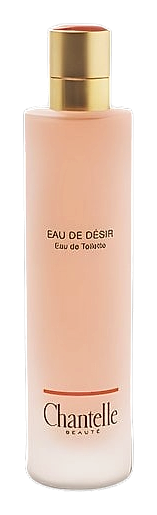
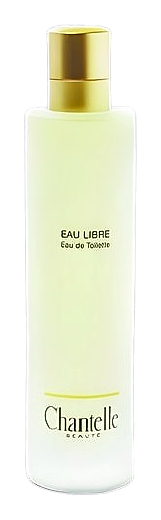
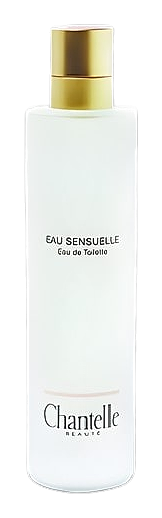
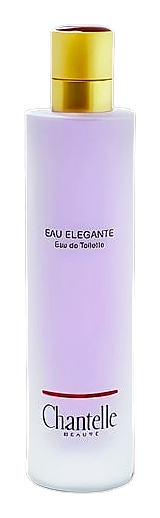
Chantelle was founded in 1876 in Hermée, Belgium, originally as a maker of corsets and fine lingerie. The company began with the production of handcrafted corsetry, an era when the craft required meticulous construction from materials like coutil, whalbone, and silk. Over the following century, Chantelle transitioned through the changing shapes of intimate apparel, adapting from structured corsets to softer, more flexible foundations as women's fashion evolved. By the mid-twentieth century, the brand had established a reputation for European craftsmanship and quality fabrics, exporting to international markets. The house's modern identity took shape under the direction of the family-led management that has overseen the company across generations. Chantelle maintained its headquarters and manufacturing presence in France, a decision that anchored the brand within the European tradition of lingerie making centered in regions like the Auvergne. This continuity of production location distinguished Chantelle from competitors who relocated assembly overseas, and it became a point of brand identity. In 2008, the company formally entered the fragrance category, launching four eaux simultaneously. The move was part of a broader strategy to build a complete lifestyle universe around the Chantelle name, extending beyond bras, briefs, and sleepwear into personal scent. The fragrances were positioned as olfactory companions to the brand's existing product lines, each designed to capture a different emotional register of femininity. The 2008 launch marked Chantelle's first significant departure from its core intimate apparel business into adjacent beauty and sensory categories, reflecting how fashion brands increasingly view scent as an essential extension of their visual and tactile language. Chantelle's approach to fragrance draws directly from its century-long expertise in designing intimate apparel that emphasizes fit, comfort, and confidence. The brand's creative philosophy centers on the idea that sensuality is expressed through multiple sensory channels, and that scent, like fabric against skin, can shape how a woman feels and is perceived. The 2008 quartet of fragrances was conceived as a vocabulary of moods rather than a single signature, offering wearers a choice between desire, sensuality, freedom, and elegance. This multi-fragrance strategy reflects a conviction that women express different facets of themselves across contexts, and that a single signature scent cannot capture that range. Each eau in the line corresponds to a specific emotional territory: Eau de Désir leans into passion and attraction, Eau Sensuelle explores mystery and depth, Eau Libre celebrates independence and movement, and Eau Élégante communicates refinement and poise. The result is a collection that functions as a wardrobe of scents, much like a wardrobe of lingerie styles. Chantelle's broader values remain rooted in the intimate apparel tradition. The company has historically emphasized body positivity and the celebration of natural femininity, principles that carry into the fragrance line's marketing and positioning. Rather than targeting a narrow aspirational ideal, the brand's communications have tended toward inclusive imagery and messaging that invites a broad audience to engage with the products. This philosophy distinguishes Chantelle from heritage fashion houses whose fragrance divisions often emphasize exclusivity and rarity, positioning Chantelle's approach as more accessible while still maintaining a premium European sensibility.