
The Story
Why it exists.
The beginning
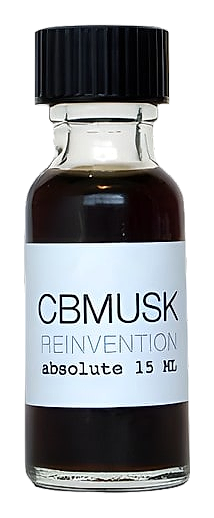
Christopher Brosius built CB I Hate Perfume around a single idea: fragrance as autobiography. Not armor. Not performance. CBMUSK, launched in 2004, is his most direct statement. Real Tonkin musk, prized for centuries, now banned from trade, became his ghost. Brosius didn't want to recreate an ingredient. He wanted to recreate a memory the wearer never had but somehow recognizes.
Tonkin musk carried associations no synthetic could manufacture: intimate, erotic, alive. Brosius spent years working toward a synthetic equivalent that didn't just smell like the thing but felt like it, warm, slightly sweet, undeniably animal. The result is a fragrance that exists in conversation with the body, not in opposition to it. CBMUSK doesn't project so much as emit. Wearers describe it as skin they wish they'd always had.
The evolution
CBMUSK doesn't open so much as arrive. The first minutes are a subtle warmth, barely there, almost questioning. Then the musk settles, deepening into something richer, powderier, with an animalic undertone that stays close. Six to eight hours later, on most skin, it becomes a skin-warm presence rather than a fragrance. The drydown is the point: intimate, erotic, impossible to pin down.
Cultural impact
CBMUSK arrived at a moment when niche perfumery was still defining itself against commercial fragrance. Brosius's anti-perfume philosophy positioned CBMUSK as an alternative to the blockbuster, not less, but different. The single-note approach was radical in 2004 and remains challenging today. Wearers either find it remarkable or baffling. There's no middle ground.