

    Home/Brands/Campos de Ibiza
    Brand Profile

    Campos de Ibiza

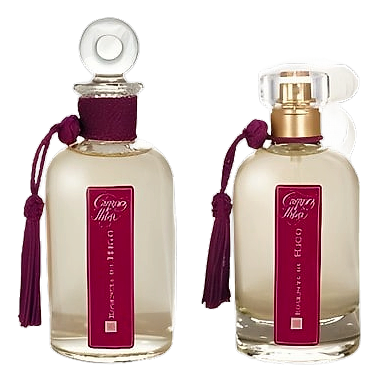
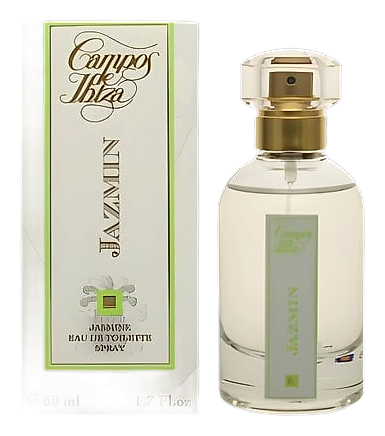
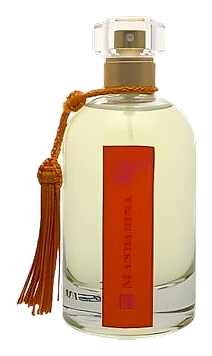
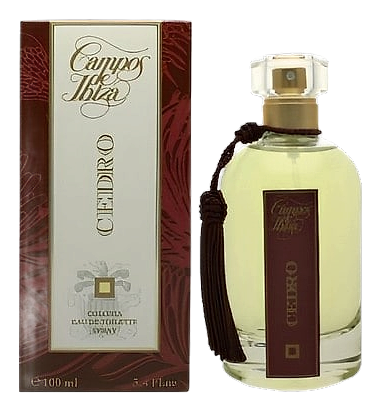
    Campos de Ibiza is a fragrance house founded in 1981 on the Spanish island of Ibiza by the Stora family, who arrived from Paris in the 1950s. The brand draws its identity from the Mediterranean island, translating its landscapes, traditions, and particular atmosphere into scent. The collection includes fragrances centered on regional ingredients such as mandarin, almond blossom, cedar, rose water, jasmine, and fig. Camille Stora, reportedly the youngest of the family, created the house's first fragrance, La Mandarina, in the 1970s. Campos de Ibiza presents itself as an artisanal house rooted in family tradition rather than industrial perfumery.

    SpainEst. 1981
    4
    Fragrances
    4.2
    Avg rating
    Shop the collection
    SignatureFlor de Almendra
    Flor de Almendra
    EDT
    Community
    4.2
    Average rating
    across 4 fragrances
    Collection
    4
    Fragrances and counting
    Heritage
    1981
    Founded in Spain

    Most loved

    Bestsellers from Campos de Ibiza

    Fresh in

    New from the house

    Heritage

    A house, in its own words

    The story of Campos de Ibiza begins with the Stora family, who relocated from Paris to Ibiza in the 1950s, reportedly invited by a friend already living on the island. Historical accounts suggest the family had connections to events surrounding the Second World War, and found in Ibiza a place of freedom and refuge. The island, with its particular blend of agricultural tradition and artistic community, shaped the family's approach to scent. In the 1970s, Camille Stora, reportedly the youngest member of the family, developed the house's first fragrance, La Mandarina. Sources indicate the fragrance was crafted entirely by hand, reflecting the artisanal methods that would define the house. By 2000, Campos de Ibiza released Flor de Almendra, followed by a significant expansion in 2006 that included Cedro, Agua de Rosas, Jazmin, Higo, and Mandarina. The Stora family remains associated with the brand, which has maintained a modest portfolio centered on Mediterranean botanical themes rather than broad commercial expansion. The house operates within Ibiza's tradition of artisanship while serving both island residents and visitors drawn to scents that evoke the local landscape.

    Campos de Ibiza approaches perfumery as a practice of translation, converting the landscapes, traditions, and particular atmosphere of the island into olfactory form. The house draws from two interwoven sources: the agricultural traditions of Ibiza's peasant communities, who cultivated almonds and raised livestock among the island's hills, and the bohemian creative community that gravitated to the island from the 1960s onward. These two influences, one rooted in working the land and the other in artistic freedom, coexist in the Campos de Ibiza identity. The brand seeks to capture what sources describe as the specific insular vibe of Ibiza, its particular light and air, rather than producing generic Mediterranean fragrances. This dual inspiration results in a collection that balances earthiness with a certain wanderlust, grounded in botanical specificity but open to creative interpretation. The family's direct involvement in the creative process, from initial conception through final formulation, reportedly ensures coherence between the brand's story and its actual products.

    1950s
    The Stora family relocates from Paris to Ibiza, reportedly invited by a friend already living on the island
    1970s
    Camille Stora, reportedly the youngest family member, creates La Mandarina, the house's first fragrance, crafted entirely by hand
    1981
    Campos de Ibiza is officially established as a fragrance house
    2000
    The house releases Flor de Almendra, an almond blossom fragrance
    2006
    Campos de Ibiza expands significantly with six new fragrances: Cedro, Agua de Rosas, Jazmin, Higo, Mandarina, and an additional formulation

    Did you know?

    Interesting facts

    01

    The Stora family reportedly arrived in Ibiza in the 1950s after connections to events surrounding the Second World War, finding in the island a place of freedom and refuge

    02

    The house's first fragrance, La Mandarina, was crafted entirely by hand in the 1970s, establishing artisanal production methods that continue to define the brand

    03

    Campos de Ibiza draws inspiration from two distinct traditions: the agricultural practices of Ibiza's peasant communities and the bohemian creative community that developed on the island from the 1960s

    04

    The brand maintains a relatively small collection spanning several decades, reflecting an approach centered on focused attention rather than broad commercial expansion