
The Story
Why it exists.
The beginning
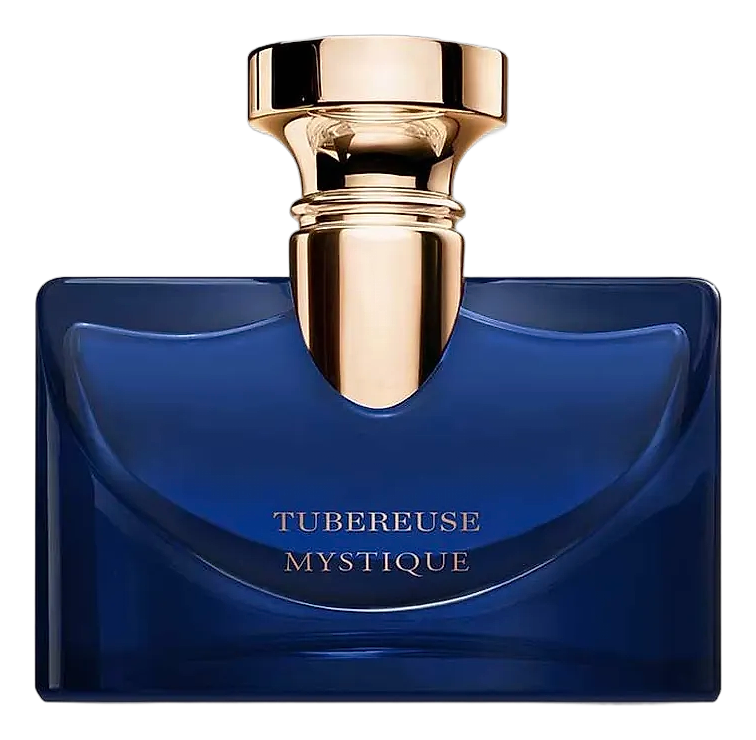
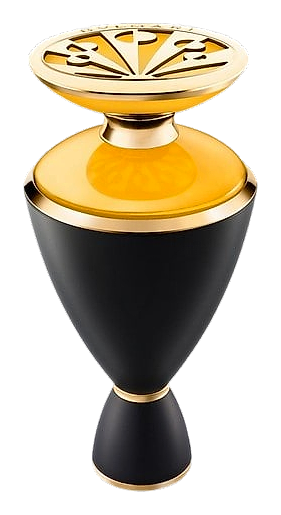
Zahira, from the Arabic for 'shining' or 'radiant', is Bvlgari's study in what a minimal composition can still achieve. The 2015 release came from Daniela Andrier, a perfumer who has built her career on compositions where less does, in fact, do more. Three materials, cinnamon, ylang-ylang, benzoin, and a decade of reputation suggests she knew exactly what she was doing. The name promises luminosity. The notes deliver it quietly, without apology.
Three notes. Not three accords, three materials. Cinnamon at the top, ylang-ylang in the heart, benzoin anchoring the base. The discipline is the point. What Andrier understood was that restraint creates space, space for each material to breathe, to interact with skin differently than it might in a crowded pyramid. Ylang-ylang here isn't the tropical bomb some compositions reach for; it's the creamy, slightly fruity nectar that softens what came before it and prepares what's coming after. Benzoin doesn't shout. It whispers warmth, and it stays.
The evolution
Cinnamon hits first, warm, sharp, almost edible. The kind of opening that announces itself without asking permission. Give it fifteen minutes. The ylang-ylang slides in, not with force but with patience, turning the composition creamy, slightly fruity, luminous. The honeyed quality some wearers detect isn't listed in the pyramid, it's the benzoin arriving early, softening everything. The drydown is benzoin's territory entirely: warm amber, vanilla-adjacent, intimate. Lasts eight to ten hours on most skin, moderate sillage that stays close rather than projecting. The next morning? A faint warmth where you applied it. Not loud. Just there.
Cultural impact
Zahira emerged in 2015 as part of Bvlgari's Le Gemme Orientali collection, representing a deliberate counterpoint to increasingly complex fragrance compositions. Its sparse three-note structure challenged designers to create depth through discipline rather than abundance. The warm, spicy profile bridges Mediterranean and Middle Eastern olfactory traditions, reflecting cultural exchange through scent. Community reviews show 37% winter and 41% fall wear, indicating seasonal resonance that speaks to its timing and positioning.