The Story
Why it exists.
The beginning
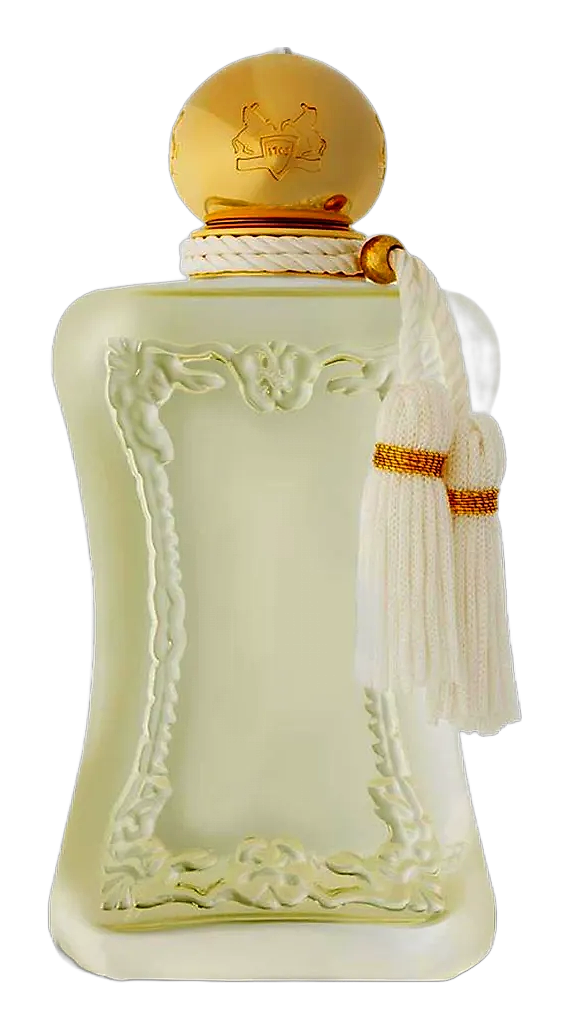
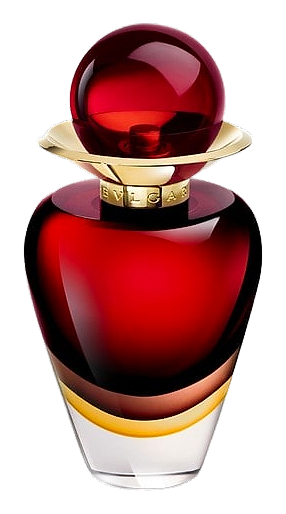
Murano Selima is a limited-edition reinterpretation of Bvlgari's Le Gemme Selima, reimagined in a handcrafted Murano glass bottle, one of only fifty pieces made. Selima, an evocative Arabic name meaning serene and calm, carries that paradox in its bones: serene by name, incandescent by nature. Daniela Andrier built this around the tension between warm spice and quiet depth, a fragrance that announces itself without ever raising its voice.
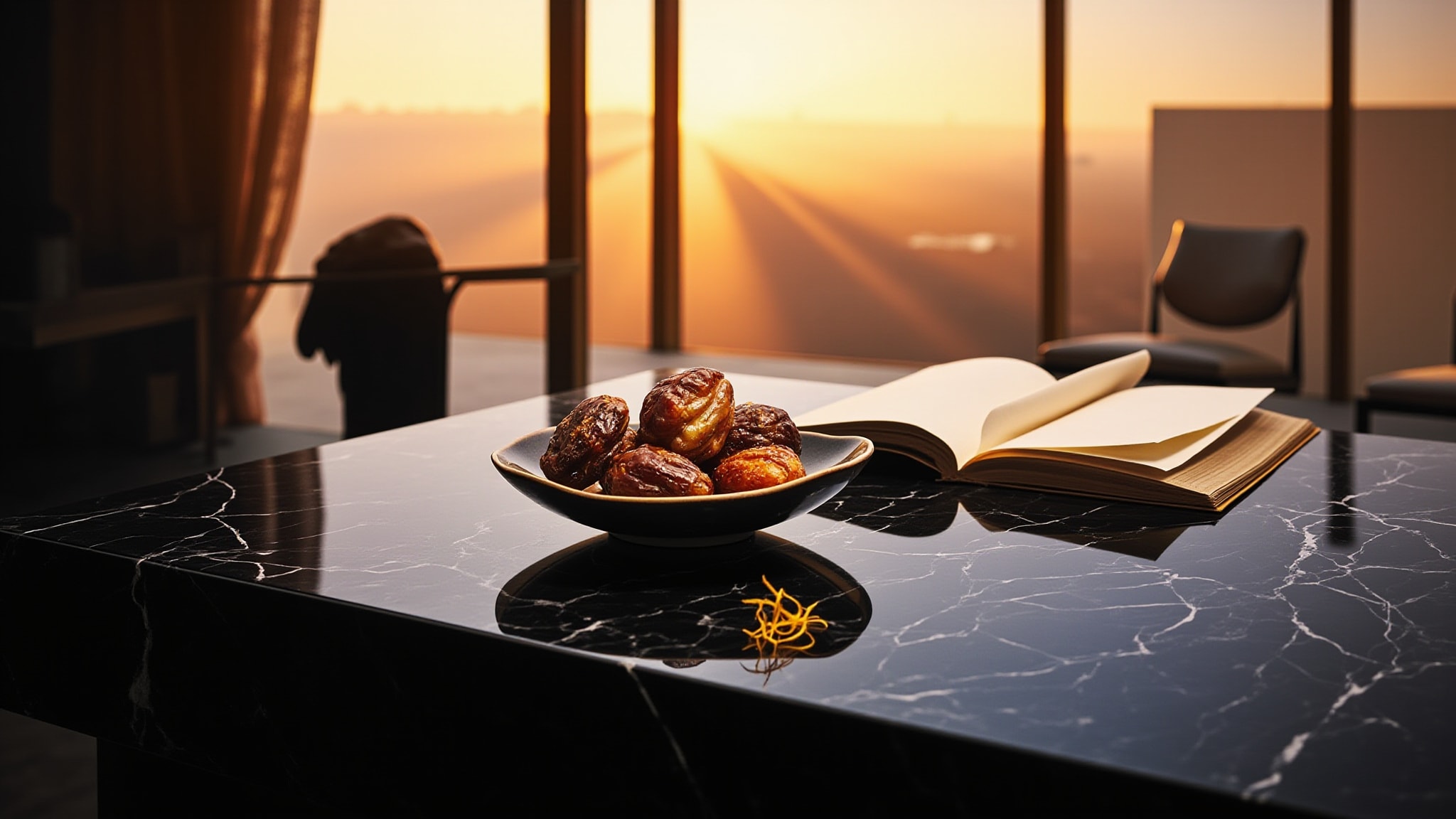
The note structure is unusual: dates and rose don't typically share a stage, but here they do, the fruit giving the florals something to lean into, the rose keeping the sweetness from tipping into jam. Saffron bridges them, adding that warm, slightly metallic depth that makes oriental compositions feel expensive. Cypriol, a dark and earthy material often overlooked in mainstream perfumery, grounds the whole thing with a smoky, almost resinous quality. Andrier understood that this fragrance needed weight to match its name, calm on the surface, dense underneath.
The evolution
The opening hits first with saffron, sharp, warm, immediately opulent. It's that moment of opening a jewel box. Then the dates arrive, not sweet in a simple way but jammy, almost caramelized, with a resinous depth that surprises. The rose blooms quietly alongside, not demure but present, the kind of rose that knows it doesn't need to compete. By the heart, Cypriol arrives. Earthy, smoky, with a slight tar-and-leather quality that gives the composition its skeleton. The drydown is where this fragrance earns its name: warm spice fading into something closer, more intimate, skin-warm and close, the kind of presence that doesn't fill a room but makes you lean in.
Cultural impact
Murano Selima occupies a unique space in contemporary perfumery, bridging Italian glassmaking heritage with olfactory artistry. The limited-edition release of 50 handblown bottles transforms fragrance into collectible art, echoing Murano's centuries-old tradition of glass craftsmanship. This convergence of sensory experiences, where scent becomes tangible through artisanal vessel design, represents a deliberate move toward luxury fragmentation in an industry increasingly dominated by mass production.