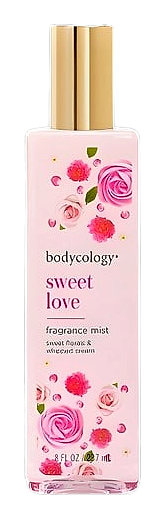

The Story
Why it exists.
The beginning
Bodycology built its catalog on the idea that scent shouldn't require a special occasion. Sweet Love, launched in 2013, fits squarely in that philosophy, an entry point into florals that doesn't require a signature scent commitment. The brand's mass-market roots meant every release had to justify shelf space on its own, and Sweet Love earned its place by doing something most affordable roses don't: it smelled like it actually cared about being good.
The whipped cream note is the structural gamble. Rose compositions usually lean on green stems and sharp citrus to anchor the florals, Bodycology swapped that convention for something softer. The sugar in the top notes and the cream in the heart create a lactonic cushion that keeps the rose from sharpening into something clinical. It's a composition that reads as edible without crossing into full gourmand, the rose still owns the fragrance, it just wears it softer.
The evolution
Sweet Love opens sugared. A bright, almost fizzy sweetness that reads more confection than flower for the first few minutes, then the rose surfaces, not sharp, not dewy, but present. Warm. Cream-adjacent. The whipped cream note arrives next, building a soft center that rounds out the sweetness into something less candy-like. By the end, what stays is the sugar-rose combination, intimate and close, like rose water on warm skin. On dry skin, the performance drops to around two hours. On moisturized skin or layered with matching body products, the longevity extends closer to four. The sillage never climbs above intimate, this is a scent for the wearer first.
Cultural impact
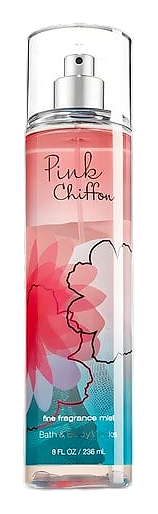
Sweet Love sits in an interesting position in the Bodycology catalog, it's one of the oldest continuous releases, still in production since 2013. The fragrance has built a quiet following as a layering piece and a daily go-to, often compared to Victoria's Secret Pink Chiffon in wearers' comparisons. Its longevity limitations have become part of its identity rather than a flaw, the community frames reapplication as part of the ritual, not a workaround.