
The Story
Why it exists.
The beginning
Kashmir is a place with weight. Mughal gardens, ancient trade routes, a reputation for materials the rest of the world once coveted. Bharara's Viking collection has always been about translating specific places into fragrance, Dubai, Beirut, Cairo, and Kashmir fits that ambition perfectly. The 2024 release opens with cardamom and papyrus, the dry paper note immediately evoking something studied and unhurried. Hyssop, olibanum, and carrot root form the heart, connecting to an aromatic tradition that runs through the region's history. Sandalwood and Kashmir wood form the base, bringing warmth and depth that feels native to the place it names.
These materials have shaped this region for centuries, and the composition honors that. What makes Viking Kashmir distinctive is the pairing of papyrus and sandalwood, dry, almost papery, against creamy warmth. Olibanum adds resinous depth. The combination creates a fragrance more contemplative than many woody-oriented scent options, something that rewards patience rather than demanding attention. The papyrus note provides an almost mineral dryness that grounds the composition, while the sandalwood brings a richness that feels indigenous to the region's olfactory identity.
The evolution
The opening hits immediately, papyrus and cardamom working together, the dry paper note and the sharp spice arriving simultaneously. The papyrus reads mineral, almost salty, like old books handled one too many times. The cardamom stays aromatic rather than culinary, adding warmth without heat. This initial phase establishes the fragrance's character before the transition begins. The heart phase begins as the top notes settle. Hyssop and frankincense take over, smoke, resin, something meditative. The florals stay quiet, more implied than announced. This is the incense phase, the part that makes people describe this as spiritual rather than commercial. The base arrives gradually. Sandalwood and Kashmir wood form the woody foundation, but amber softens the edges. The drydown is rich without being heavy, the kind of warmth that stays close to the skin rather than projecting loudly.
Cultural impact
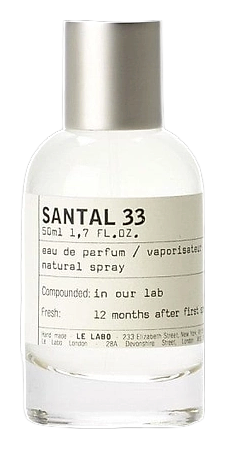
The inevitable Santal 33 comparison exists for a reason, both are sandalwood-forward, both have that dry, woody character, but this has rougher edges, a papyrus note that makes it feel more grounded and less polished. Unisex in its presentation, yet that quality appeals across the board. The Viking collection overall has found its audience among those who want fragrance as storytelling rather than status signaling. The papyrus note distinguishes Viking Kashmir from more polished alternatives, creating something that feels authentic rather than constructed. This approach resonates with wearers who appreciate nuance over convention.