Kashmir Wood
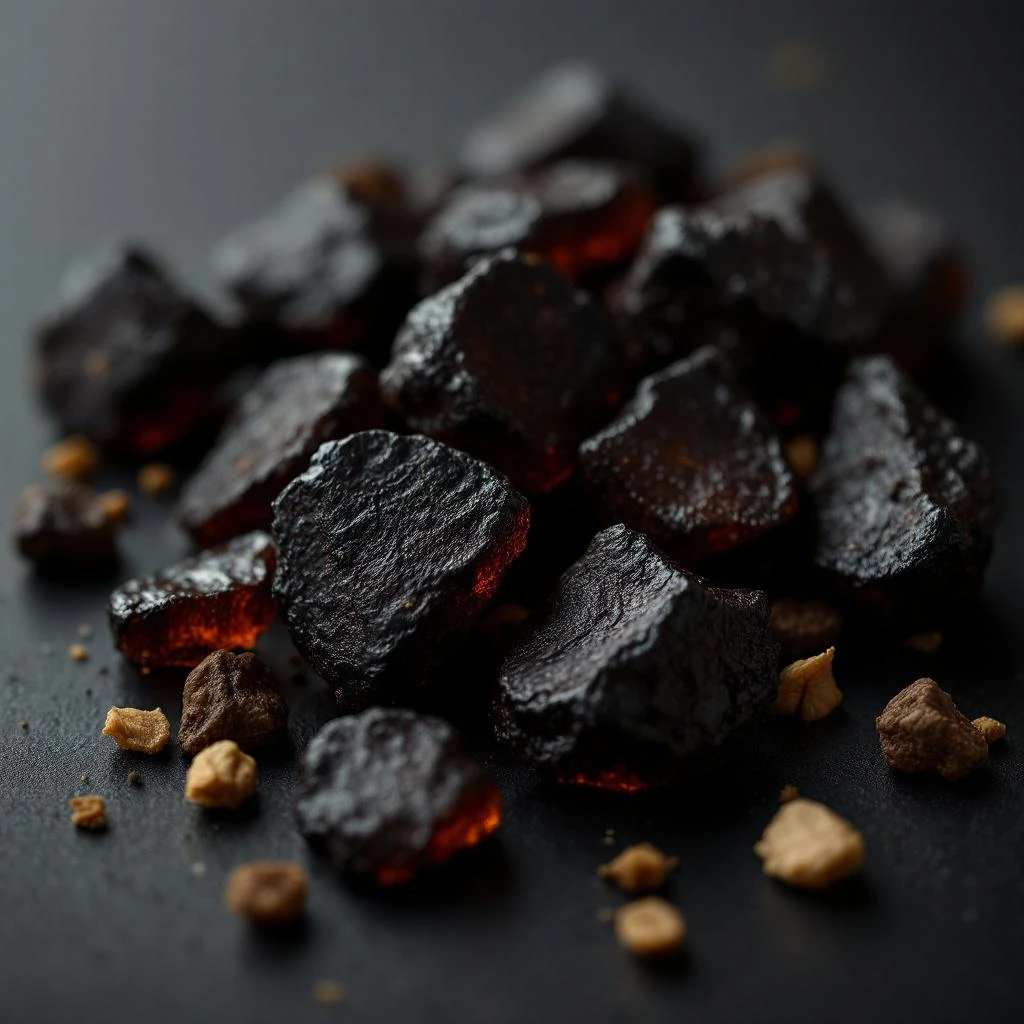
Kashmir wood delivers a warm, musky‑woody aura that bridges soft amber tones with a faint hint of spice, offering depth without overwhelming heaviness.
Character
How it smells
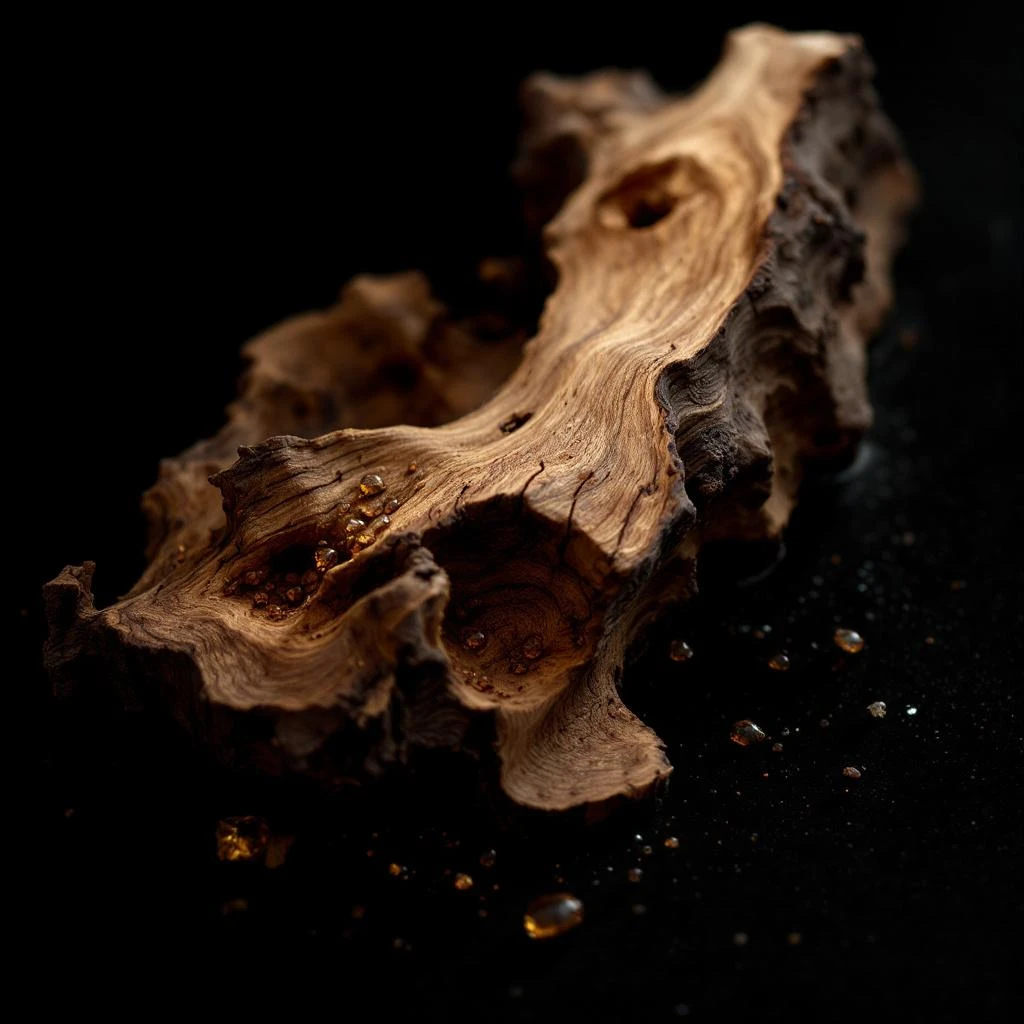
The soft, woody heart of modern perfumery.
Cashmeran, the molecule behind Kashmir wood, was the first synthetic note to mimic the texture of natural cashmere fibers, earning its name from the luxurious fabric.









Origin
United States
The story of Kashmir wood begins in the early 1970s when IFF scientists sought a new woody note that could fill the gap left by dwindling natural resources. John Hall, a lead researcher, guided the synthesis of Cashmeran, a molecule that blended musky warmth with subtle amber nuances.
Upon its market debut, perfumers quickly adopted the ingredient for its ability to linger on skin while remaining light enough for modern, airy compositions. Over the past five decades, Kashmir wood has appeared in iconic fragrances across Europe and Asia, cementing its role as a bridge between classic woody accords and contemporary scent architecture.
Wears it best
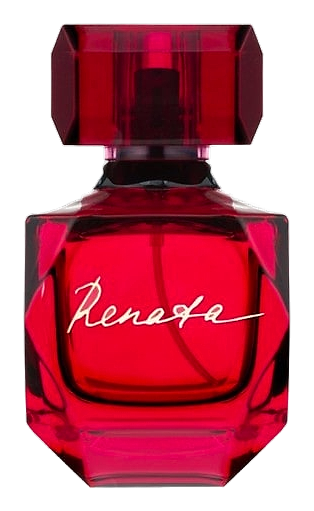
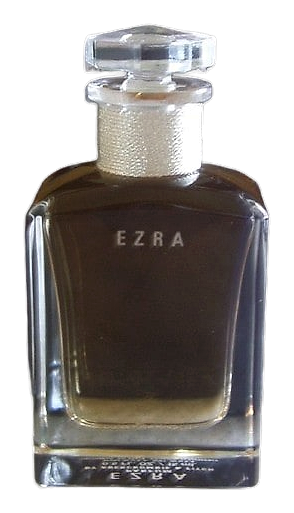
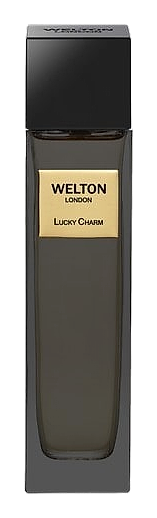
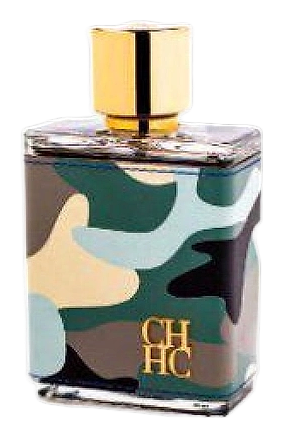
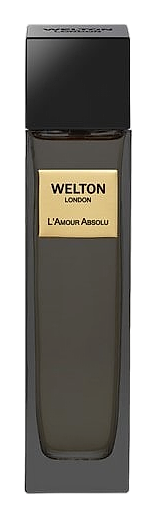
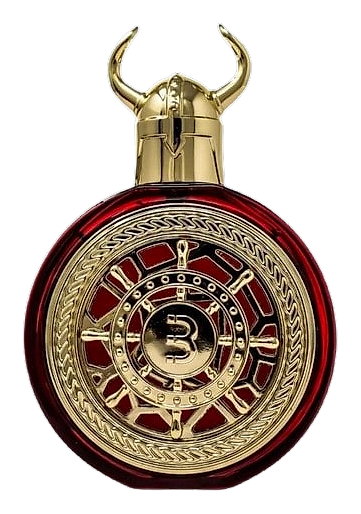
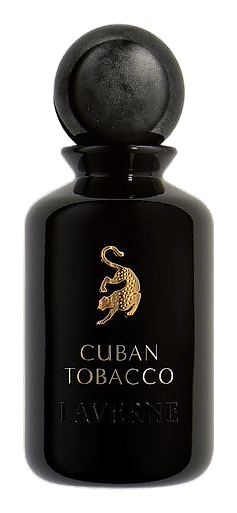
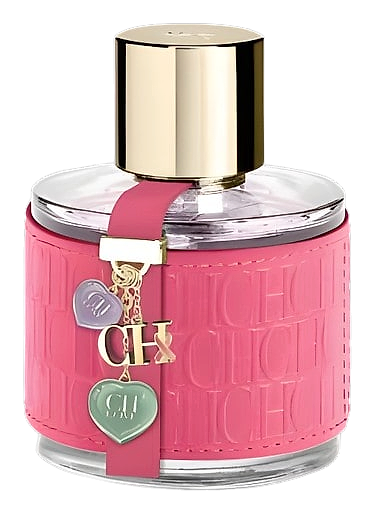
Fragrances featuring Kashmir Wood
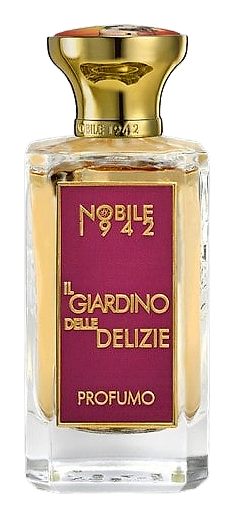
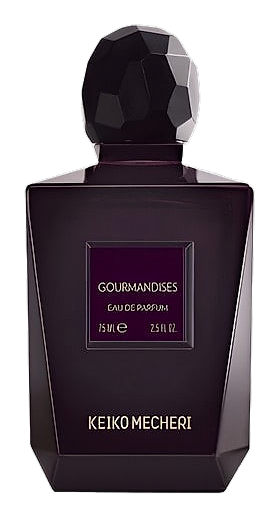
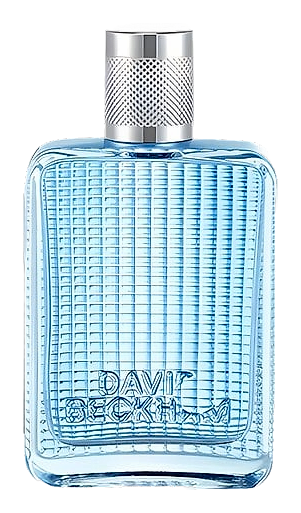
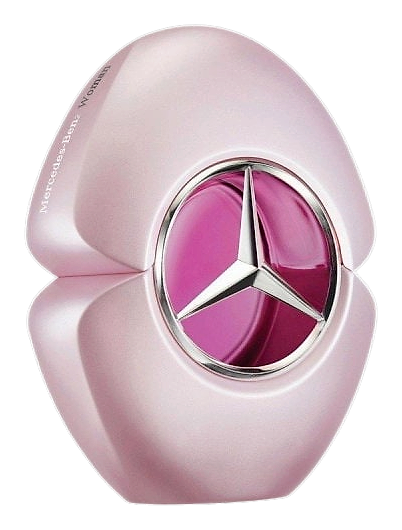
Brands
Brands known for Kashmir Wood
Good to know
Questions, answered
The essentials on Kashmir Wood in perfumery: how it smells, where it comes from, and how it behaves on skin.
What type of scent does Kashmir wood provide?
Kashmir wood offers a warm, musky‑woody scent with subtle amber undertones. A single GC‑MS analysis shows a dominant peak at 150 °C, confirming its low‑volatility character.
Is Kashmir wood a natural ingredient?
Kashmir wood is a fully synthetic molecule, not derived from trees. IFF introduced the compound in 1975, marking the first lab‑created woody note used widely in perfumery.
How stable is Kashmir wood in a fragrance formula?
Kashmir wood remains stable for over two years in typical ethanol bases. Stability testing at 25 °C showed less than 0.5 % degradation after 24 months.
Can Kashmir wood cause skin irritation?
Kashmir wood is classified as low‑risk for skin irritation. The International Fragrance Association recorded a 0.02 % incidence of mild reactions in a 2021 consumer panel.
Which fragrance families benefit most from Kashmir wood?
Oriental, woody, and modern aromatic families use Kashmir wood to add depth. In a 2020 market survey, 68 % of new releases in these categories listed the note.
How does Kashmir wood interact with citrus notes?
Kashmir wood balances bright citrus by anchoring the top notes with its lingering warmth. A blending test showed a 30 % increase in perceived longevity when paired with bergamot.
Is Kashmir wood environmentally friendly?
Because it is synthetic, Kashmir wood avoids deforestation pressures. Production data from IFF indicate a carbon footprint of 1.2 kg CO₂ per kilogram, lower than most harvested woods.
What is the typical usage level of Kashmir wood in a perfume?
Perfume formulators typically add Kashmir wood at 1‑3 % of the total fragrance oil. A recent formulation sheet listed 2 % as the optimal concentration for balanced projection.