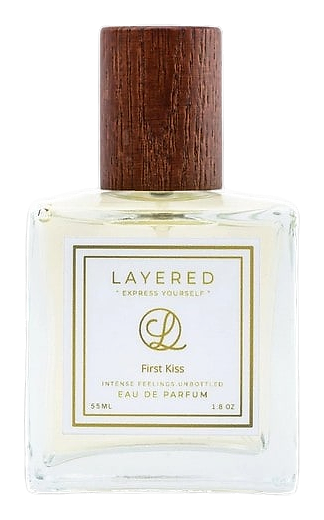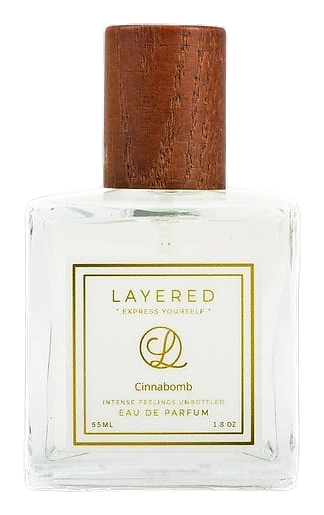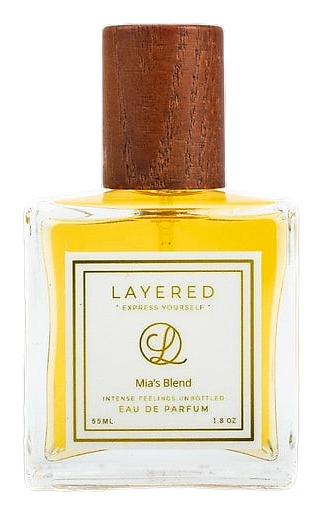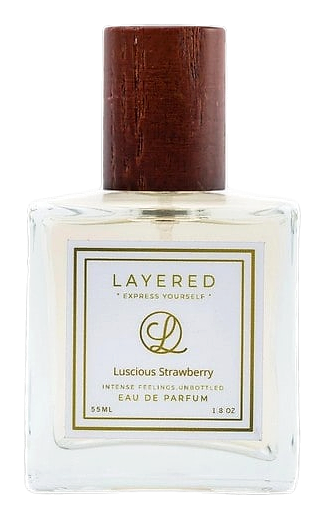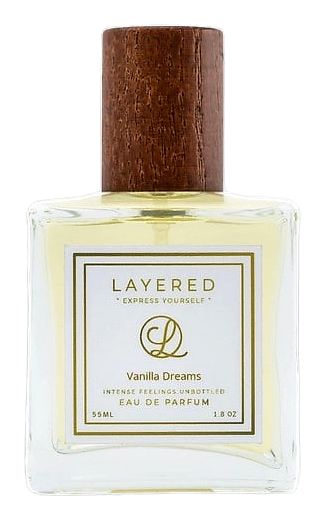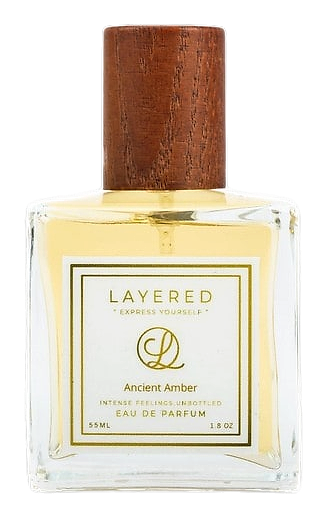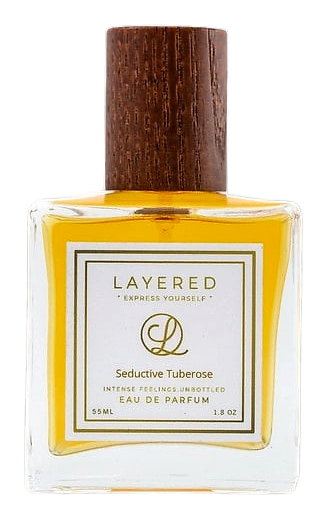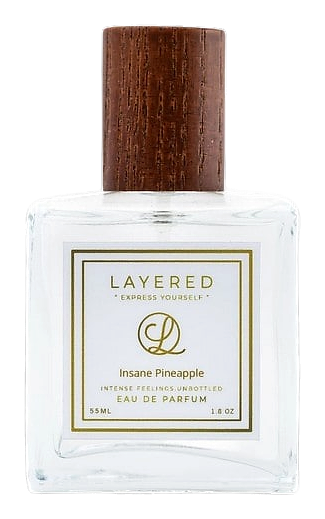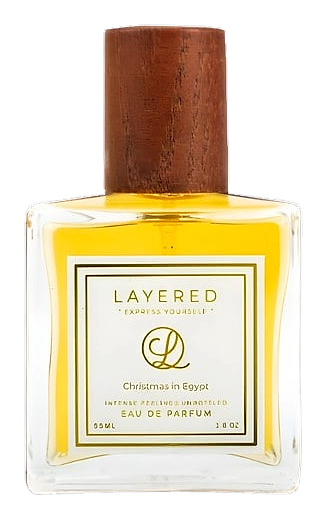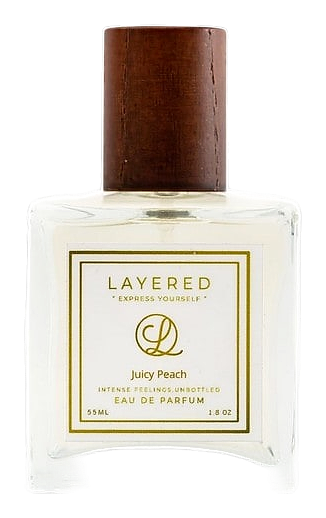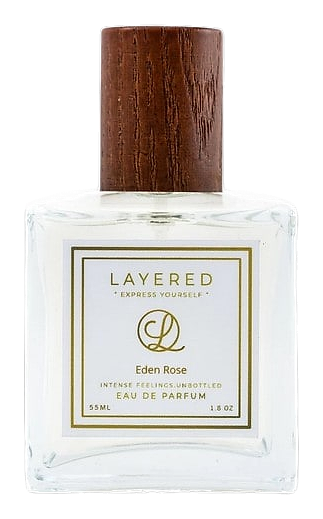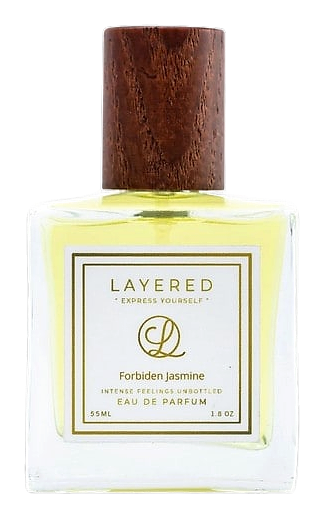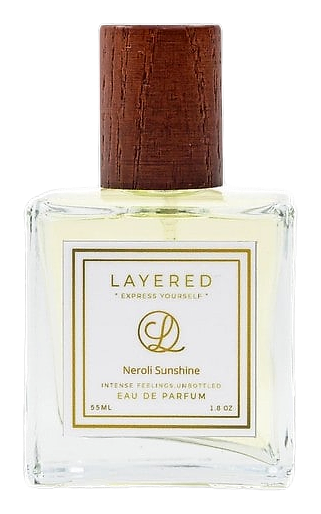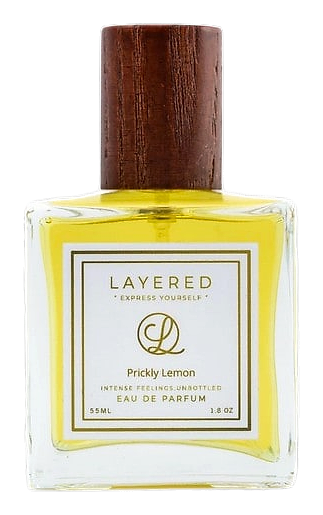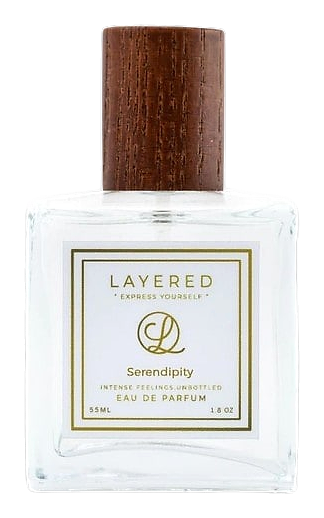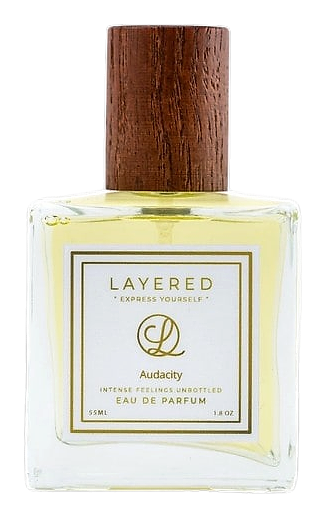
The Story
Why it exists.
The beginning
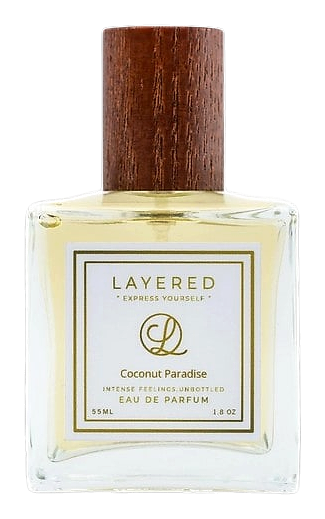
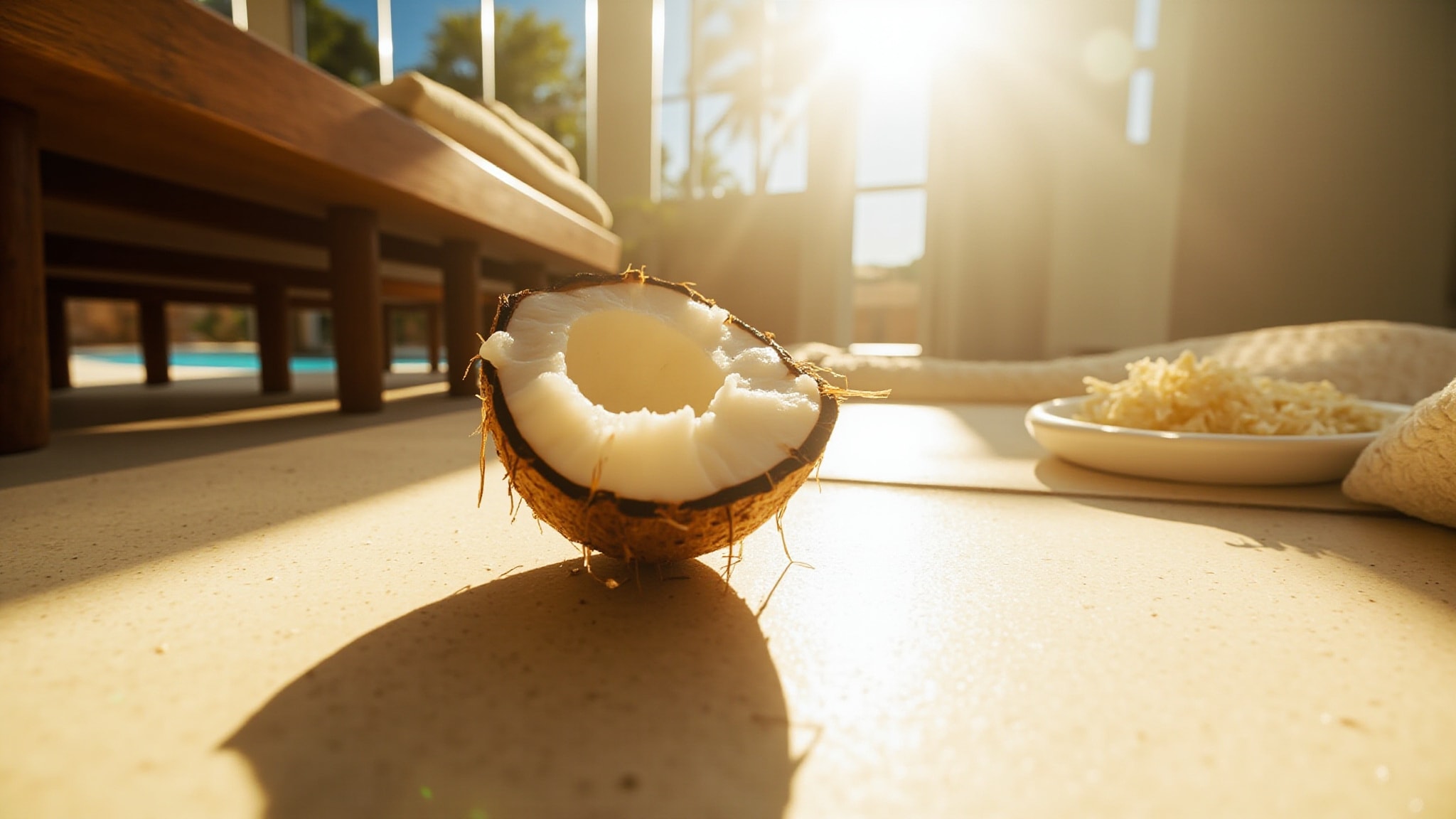
Coconut Paradise dropped in 2019, a single-note statement from a brand that prefers personality over pretense. Nothing dressed up, nothing complicated. The whole point is the escape. Sun-soaked beach in a bottle, designed to layer or stand alone depending on the mood you're chasing. From the first spray, the coconut reads as warm, creamy, and almost edible, the lactonic sweetness of real coconut flesh rather than anything chasing complexity. There is no citrus opening to delay the experience, no top-note fanfare to wait through. Just coconut arriving whole, already familiar, the way a scent does when it's been worn often enough to feel like your own.
What separates this coconut from the dozen others crowding the market is its refusal to dilute. The formula leans into the lactonic sweetness of real coconut flesh rather than chasing complexity. It's the fragrance equivalent of an inside joke. You either get why someone would want to smell like this exact thing, or you don't. The accords line up predictably: sweet, tropical, nutty, a touch of vanilla warmth underneath. But the execution keeps it honest. Just coconut, the way coconut wanted to smell before anyone decided it needed backup dancers.
The evolution
The opening lands immediate and full. Coconut arrives already warm, creamy, almost edible. There's no citrus to delay the experience, no top-note fanfare. It opens the way a memory does, whole and already familiar. For the next hour or so it holds that bright tropical sweetness, the kind that feels unmistakably like summer. Then it doesn't really evolve so much as soften, settling closer to skin without ever truly disappearing. The lactonic quality deepens slightly, a faint vanilla warmth creeping in at the edges. What remains after several hours is a quiet, creamy trace, more skin-scent than statement. The vanilla warmth becomes more pronounced as the hours pass, lending the drydown a soft, almost milky quality that lingers without demanding attention.
Cultural impact
Coconut as a fragrance note carries weight far beyond a beachy cliche. The ingredient has long associations with warmth, nourishment, and tropical domesticity, lending the note a kind of edible familiarity that other tropical ingredients struggle to match. Gourmand and tropical fragrances have grown into a significant corner of the broader scent landscape, and coconut sits at the center of that conversation, equal parts comforting and escapist. That dual nature gives a coconut-forward fragrance an immediate readability.