
The Story
Why it exists.
The beginning
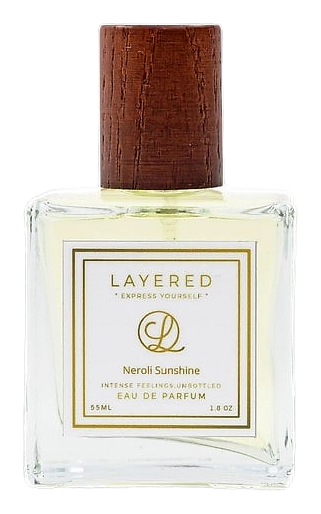
Neroli Sunshine launched in 2019. The composition distills the neroli flower, the small white blossom of the bitter orange tree, into a single-note dedication, which is a rarer gesture than it sounds. Most citrus fragrances treat neroli as a fleeting accent, gone in minutes. This one stays with it, lets the flower carry the entire arc from first spray to last whisper on skin. The idea, reading the brand's own framing, was less about botanically accurate neroli and more about what neroli feels like. The cooling lift of a bitter orange note at its peak brightness. The almost-floral sweetness of orange blossom character poured over ice. The way that particular citrus facet carries a green undertone no lemon or grapefruit can match.
What makes a single-note neroli worth dedicating an entire composition to is the raw material itself. Neroli oil comes from steam-distilling freshly picked bitter orange blossoms, a process that captures both the bright, almost metallic top and the warmer, indole-laden heart of the flower. The result is one of perfumery's most paradoxical materials, simultaneously fresh and deeply floral, green and honeyed, cooling and faintly animalic.
The evolution
The first fifteen minutes belong entirely to neroli in its coldest, brightest form. There's a sharp, almost bitter edge here, the green stem of the flower itself, and a lemony snap that feels less like fruit than like crushed leaves. It reads clean, almost clinical, the kind of opening that clears a room's worth of stale air. Then it warms. Slowly, almost reluctantly, the neroli's floral depth starts to surface. The sharp green recedes and something softer takes its place, honeyed and slightly soapy in the best sense, a warmth that feels like the flower finally exhaling. By the two-hour mark, the fragrance has settled into something quieter and more personal, still clearly neroli but now wearing the flower's warmer face.
Cultural impact
Neroli Sunshine arrives as a single-note composition at a moment when stripped-down, ingredient-forward fragrances have earned their share of attention alongside more layered traditional structures. The fragrance answers a simple question with a simple answer: what does neroli smell like when nothing else gets in the way? Neroli itself has a long history in perfumery, derived from the bitter orange tree whose blossoms have been cultivated and distilled across multiple countries with Mediterranean and North African climates.