The Story
Why it exists.
The beginning
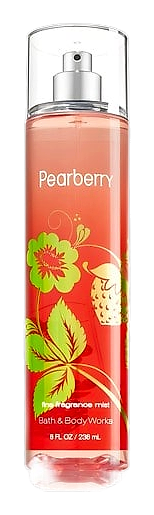
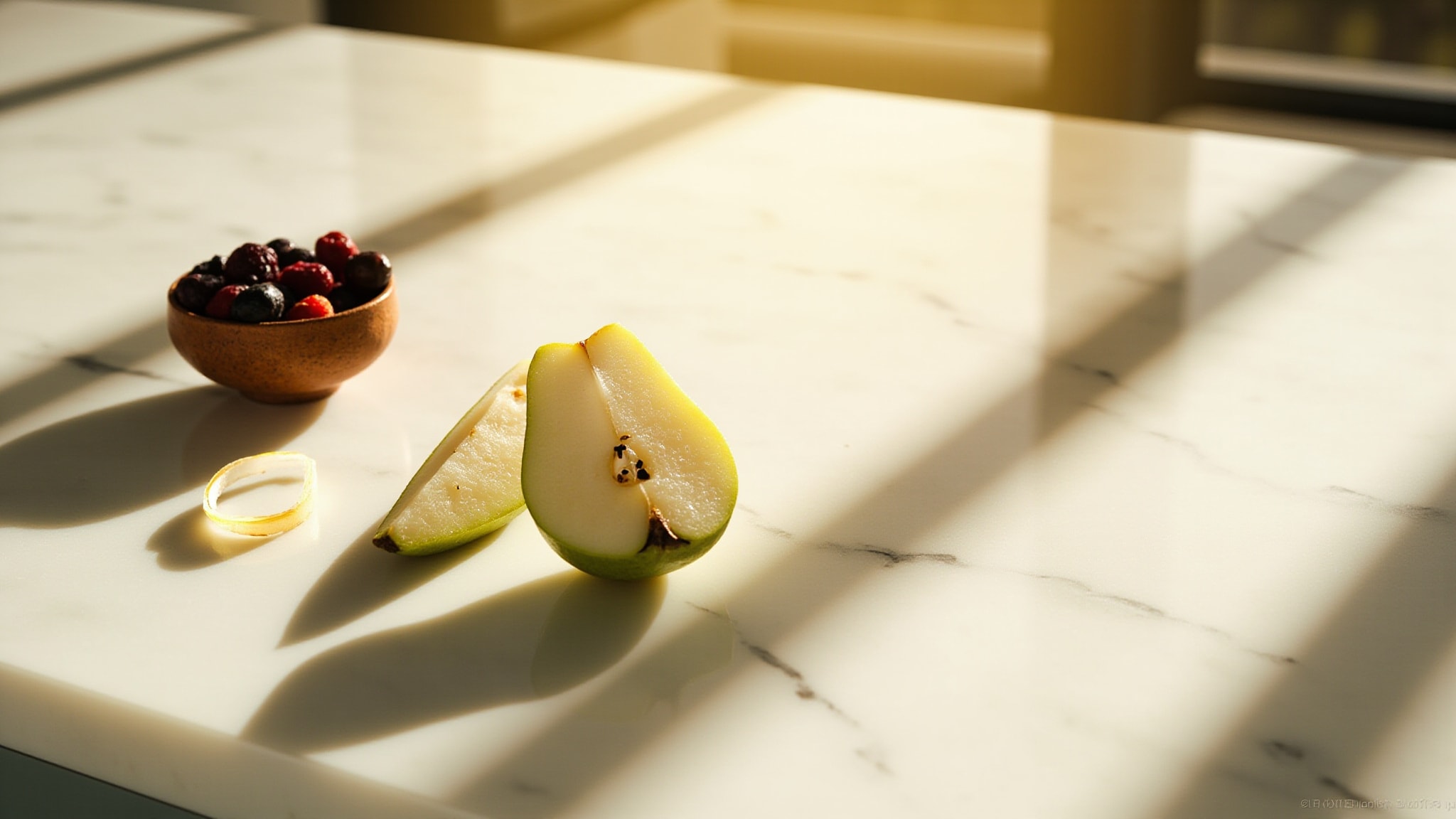
Pearberry arrived in 2020 as Bath & Body Works' answer to a simple question: what does a fruity-floral smell like when it stops apologizing for being easy? The brand had spent decades perfecting accessible, joyful scent. Pearberry pushed that further. Anjou pear was chosen not as a trendy note but as a specific character, the kind of pear that smells like it was just peeled, juicy and green at the edges. Forest berries added tartness. Not sweetness. Tartness. That distinction matters. Pearberry was designed to feel like a real fruit rather than a fruit-scented candle. The floral heart, apple blossom, freesia, lily of the valley, was added not to sweeten the composition but to extend it, to give the fruit somewhere to live after the opening fades. This was a fragrance built for how people actually wear body mists: quickly, casually, on skin that might be moisturized or dry or somewhere in between.
The structure is worth pausing on. Fruity-florals often treat their top notes as a diversion before the real fragrance begins. Pearberry doesn't work that way. The Anjou pear and forest berries don't fade, they get replaced. The heart notes arrive while the fruit is still present, creating a layered effect that feels more complex than the note list suggests. Freesia adds a clean, almost aquatic quality that keeps the composition from becoming syrupy. Lily of the valley provides a green, slightly soapy counterbalance that grounds the sweetness. The woody base and musk aren't dramatic, they're the kind of base notes that make you realize the fragrance lasted longer than you thought.
The evolution
The opening hits in seconds. Anjou pear arrives bright and immediate, followed by the tart edge of forest berries, not a jammy berry, something with actual snap to it. Twenty minutes in, apple blossom starts to soften the composition while freesia introduces its clean, almost water-like quality. The pear doesn't disappear. It shifts. By the time lily of the valley arrives, the whole fragrance has moved into something quieter, sweeter, but never cloying. The woody base and musk don't announce themselves. They arrive last and stay longest, holding the whole thing together as the florals fade. On skin, expect two to three hours of moderate presence. On fabric, longer, the pear tends to linger in cotton and linen long after the mist has dissipated. The drydown is subtle: a clean, slightly warm whisper that reminds you something was there.
Cultural impact
Pearberry launched in 2020 and quickly became one of those fragrances people sought out specifically because it was discontinued. That's a particular kind of acclaim, the kind that means someone, somewhere, wore it and it stuck. The fruity-floral category is crowded, but Pearberry carved a specific space: not a safe floral, not a heavy fruit, something between. That ambiguity made it wearable across contexts. Spring afternoons. Casual evenings. The kind of day when you want to smell good without thinking about it. The discontinuation added a layer of nostalgia that has only strengthened its reputation among people who remember it as their signature.