
The Story
Why it exists.
The beginning
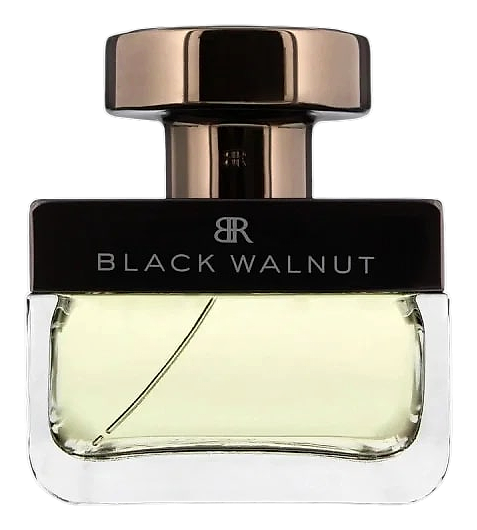
In 2006, Banana Republic tasked Harry Frémont with a specific brief: capture the ease of a man who moves through time zones without ceremony. The name Black Walnut implied earthiness, but the interpretation was quieter, cognac warmth, dried tobacco, cedarwood depth. A fragrance that felt less like a scent and more like a second skin. The brand had built its identity on travel-inspired clothing; this was the olfactory equivalent of a perfectly packed carry-on. Nothing excessive. Everything considered.
What makes Black Walnut work is its refusal to compete. Cognac gives it an opening that's warm without sweetness. Tobacco adds dry, textured depth. Cedarwood anchors everything in something substantial. There's no jarring transition between the phases, the materials feel like they've always belonged together. For a fragrance designed to accompany a man from boardroom to departure lounge, that seamlessness is the entire point. It's not trying to seduce you. It's just there, reliably, when you need it.
The evolution
The opening is the most distinctive moment, cognac with a boozy brightness that arrives immediately. Within twenty minutes, tobacco emerges, not as a dominant note but as a dry, textured layer that softens any sweetness. The cedarwood arrives last, settling into the base as a warm, woody foundation that carries the drydown. Performance holds at four to six hours on most skin. Sillage stays moderate throughout, close, intimate, never shouting. The fragrance doesn't evolve dramatically. It simply settles and stays.
Cultural impact
Black Walnut earned a FiFi Award for Fragrance of the Year Men's Private Label/Direct Sell in 2007, an early recognition that positioned it as a strong value alternative to pricier luxury masculines. It occupies a specific niche: warm, woody, and confident without being confrontational.