The Story
Why it exists.
The beginning
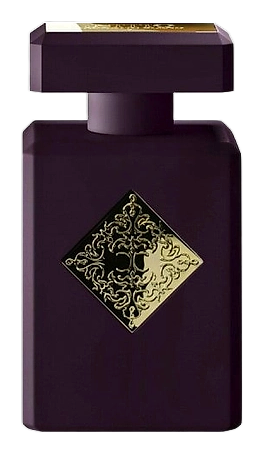
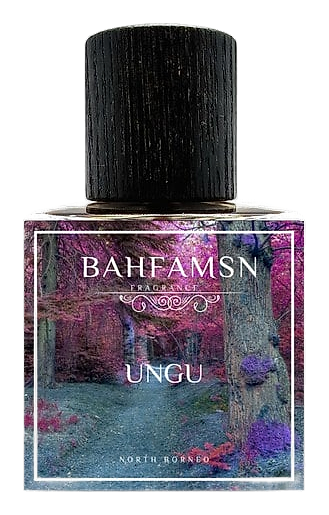
Ungu is Malay for purple. That single word became Kriss Mokhtar's brief: go deep into a color and find what it smells like. The answer arrived in layers, bright at first, then darker, then warm. Blueberry and raspberry as the blush of that purple, the initial thought. But purple deepens. Elemi from Manila brought a camphorated brightness that interrupted the sweetness. Frankincense added smoke. Sulawesi patchouli grounded it all in earth. Sandalwood became the warmth that holds the rest. The 2022 launch didn't try to explain purple, it just let the color happen on skin.
The interesting thing about Ungu's structure is how it refuses to separate its halves. Bright fruits and dark resins don't take turns, they share space from the start, with elemi's citrus-pine note bridging the two from the first spray. The camphor in elemi acts as a rudder, keeping the blueberry and raspberry from dissolving into something sweet and forgettable. Patchouli doesn't arrive late here, it's present throughout, building quietly while the fruits dominate, then staying after they fade. Sandalwood functions as the consistent warmth underneath, appearing early and lingering longest. It's a composition that trusts the wearer to notice the architecture.
The evolution
The first minutes are unmistakably fruity, blueberry with a slight tartness, raspberry backing it up, red fruits adding sweetness. Philippine elemi's camphor arrives fast, almost medicinal, preventing the opening from feeling like dessert. Thirty minutes in, the resins begin their takeover. Frankincense adds a quiet smoke. Indonesian patchouli's earthiness surfaces and grows. The fruits don't disappear, they recede, becoming shadows beneath the growing darkness. By hour two, patchouli leads. Sandalwood runs underneath everything. The elemi's camphor fades last, leaving a clean, green-woody trail. Eight to ten hours total on most skin. The drydown is patchouli and sandalwood, warm, close, intimate rather than announced.
Cultural impact
Ungu draws from Southeast Asian aromatic traditions where frankincense and patchouli have held ceremonial and daily significance for centuries. The Indonesian patchouli carries cultural weight from regions where it grows abundantly, while Philippine elemi brings a distinctly Filipino citrusy-resinous character that remains underrepresented in global perfumery. Blueberry bridges the region's tropical fruit heritage with contemporary Western preferences, creating a scent that feels locally rooted yet globally approachable. This fragrance represents how Southeast Asian perfumers are carving their own aromatic identity rather than merely supplying exotic materials to Western houses.