The Story
Why it exists.
The beginning
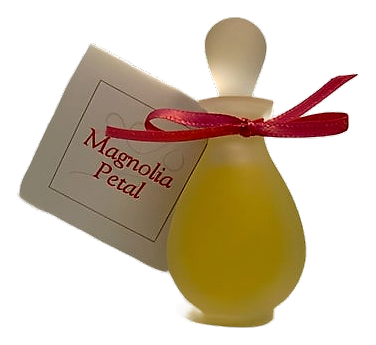
Magnolia Petal arrived in 2005 from Ayala Sender, the nose behind Ayala Moriel. The fragrance grew from a single obsession: the pink magnolia, whose petals carry a distinctly peachy sweetness that most floral compositions miss entirely. Sender built the composition around that elusive peach facet, treating it as the soul of the scent rather than a fleeting accent. The answer was a careful scaffolding around copaiba balsam and benzoin, resins that add golden warmth without weight, letting the fruit read as skin-soft rather than confection. There is something almost edible about the opening, yet it never crosses into sugary territory, and that restraint is what gives the fragrance its particular quiet confidence.
Copaiba is the unsung structural note here. It leans softer than many of its resin cousins, carrying a woody undertone that holds the composition together. Pairing it with magnolia's peach facet amplifies that fruit into something that smells less like a flower and more like the warmth of skin in late sun. The clementine adds a brief spark at the top, a citrus flash that lifts the heavier notes before they settle into place, while the rose anchors the heart with dusty, lived-in depth. Benzoin arrives early and stays late, the slow-burn resin that turns the whole thing amber as the hours pass.
The evolution
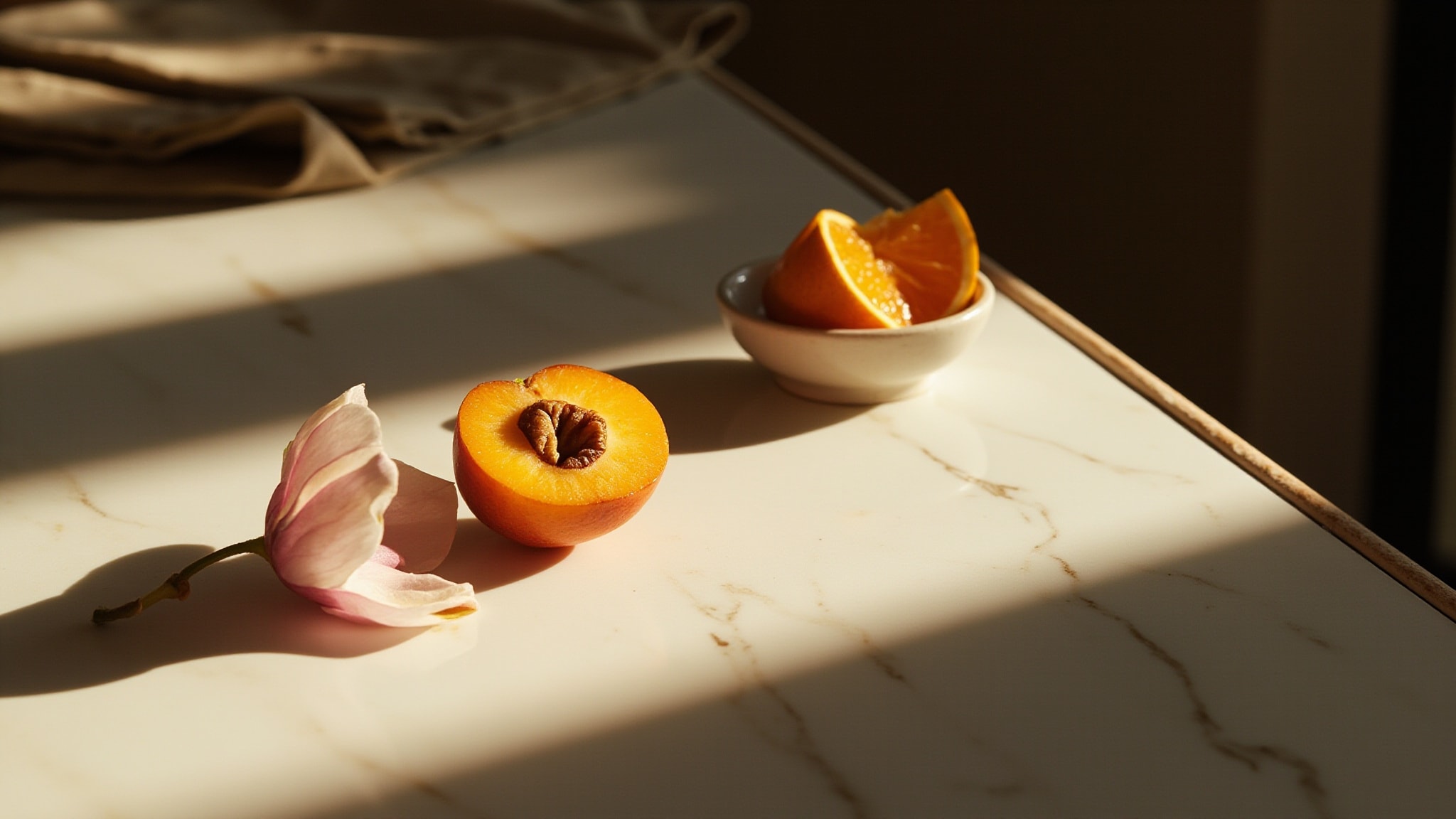
The opening belongs to clementine. Bright, almost candied, the kind of citrus that sounds like someone peeling fruit in another room. Then it dissolves into the magnolia-copaiba heart, where peach becomes the dominant impression. Not stone-fruit sweetness, but something softer, warmer, like the inside of a wrist in summer. The rose tincture adds a faded, lipstick-warm undertone that keeps the heart from feeling too clean. As the hours pass, benzoin takes over. The magnolia fades to a ghost, the copaiba settles into its woody register, and the benzoin brings a golden, almost honeyed warmth that clings close to skin. Late in the wear, what's left is mostly resin and a faint trail of dried apricot, the kind of scent you catch when you press your nose to your own shoulder. The drydown is where Magnolia Petal becomes most itself, less a floral than a memory of one.
Cultural impact
Magnolia Petal has earned its place among florals that take texture seriously, offering a magnolia that reads more like skin-warmed fruit than a traditional white floral. It appeals to those drawn to peach-toned, resin-built compositions where softness and structure share equal footing. The fragrance rewards close wearing, revealing more of itself to the wearer than to the room, and it has quietly attracted devotees who appreciate its particular balance of floral and fruit. Among peach-leaning fragrances, it stands out for its restraint, never tipping into jam or candy, never losing its resinous backbone.