The Story
Why it exists.
The beginning
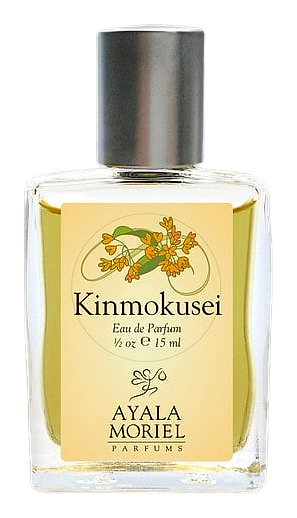
Kinmokusei arrived in 2006 as a soliflore, a perfume built entirely around one flower. That flower happens to be one of the least-seen in Western perfumery: osmanthus. Ayala Moriel named it directly after the Japanese word, a quiet act of precision. The choice signals something particular: this perfumer does not approximate. She names things for what they are. Osmanthus is native to Asia, associated with autumn blooming and a scent that resists easy description, apricot, suede, warm tea, something almost leathery underneath. Capturing it required working with the material's own contradictions rather than smoothing them away. The result is a fragrance that opens cool and finishes warm, built on a flower most people have never smelled.
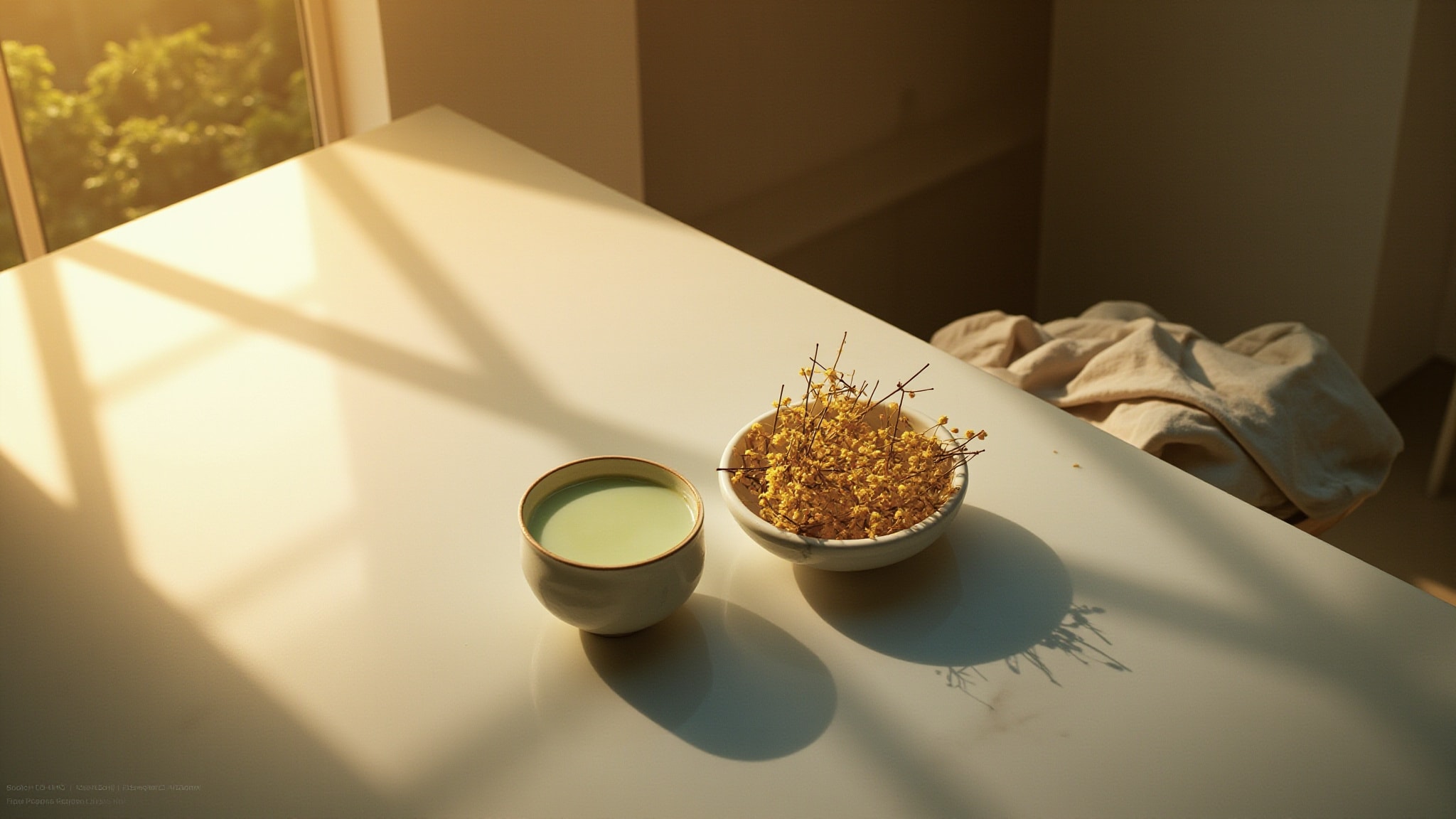
What makes Kinmokusei's structure unusual is the pairing of green tea with osmanthus. Green tea reads cool, almost astringent. Osmanthus reads warm, fruity, slightly suede-like. Most compositions would treat them as competing interests. Here they hold tension across the heart phase, green tea keeping the osmanthus honest, the osmanthus keeping the green tea from staying clinical. Supporting notes of linden blossom add a honeyed softness that bridges the gap. Wild orange opens the top with a bright, sparkling quality that prevents the whole composition from feeling heavy.
The evolution
Wild orange hits first. Bright, citrus-sparkling, almost juicy. Then the coriander contributes a faint herbal lift before the osmanthus announces itself, apricot and suede arriving together, warmer than the opening suggested. The heart phase holds the central tension: cool green tea and linden blossom keeping the osmanthus grounded, preventing it from becoming merely sweet. The suede quality doesn't disappear. It deepens. By the drydown, sandalwood and olive tree resin form a soft, resinous base. A trace of blond tobacco adds warmth without heaviness. On most skin types, the full arc lasts through the afternoon. It wears close, present to the wearer, not necessarily announced to the room.
Cultural impact
Kinmokusei occupies a particular position among soliflores: it asks the wearer to engage with osmanthus as a complete experience, not a cameo. Among niche fragrance communities, it is recognized for refusing the safe route, taking a flower associated with lightness and finding the suede underneath. The response tends to polarize along a clear line: those who expected refinement and found depth instead.