The Story
Why it exists.
The beginning
Fluffy Chick arrived in 1970, a quiet counterpoint to the louderoriental declarations of the era. The name itself was unmistakably Avon, playful, approachable, part of a world where fragrance and home decor shared shelf space and customer affection. Avon had spent decades building trust one door at a time, and by 1970 their catalog included hundreds of scents for every mood and budget. Fluffy Chick fit the lineup perfectly: gentle, aldehydic, and unapologetically soft. No heavy woods, no dramatic flares. Just a daisy-hearted cologne that smelled like the idea of morning.
The note structure is deliberately spare, aldehydes, daisy, white flowers, musk. That simplicity is the point. Aldehydes provide the initial lift, that effervescent quality that made 1970s florals feel modern. Daisy adds a quiet green freshness that keeps the aldehydes from going too sharp. The white flowers in the heart are a bridge, they carry the composition from sparkle to warmth without announcing themselves. Musk is the finish, close and skin-like, the note that makes people lean in rather than step back. It's a composition built for proximity, not projection.
The evolution
The aldehydes arrive first, that characteristic fizz that opens like a bottle of something cold and pale. It lasts maybe ten minutes before the daisy softens it, pulling the sparkle down to something gentler. The white flowers take over around the thirty-minute mark, a clean floral presence that reads more as impression than statement. You smell it rather than analyze it. The drydown is all musk, close, warm, the kind of scent that clings to a collar or a cuff. On fabric it lingers past six hours. On skin, closer to four. By the next morning there's a ghost of it, clean and powdery, like fabric dried in open air.
Cultural impact
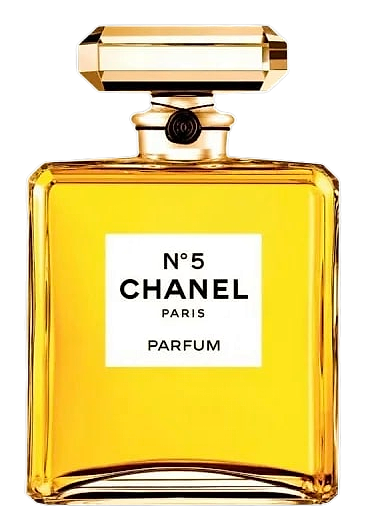
Fluffy Chick exists in a specific cultural moment, 1970, when aldehydic florals were transitioning from the powdery grandeur of the previous decade toward something cleaner and more wearable. It wasn't trying to compete with the statement fragrances of the era. It was doing something quieter: offering a soft, approachable scent that anyone could wear without occasion or apology. The aldehydic trend had been building since Chanel No.5 popularized the technique in 1921, but by 1970 perfumers had learned to soften the effect, making it accessible to daily wear rather than reserved for evenings. Fluffy Chick arrived at exactly that inflection point, modern enough to feel current, gentle enough to feel personal.