


Heritage
A house, in its own words
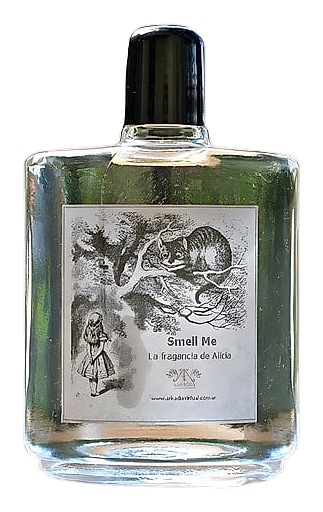
Arkadia’s documented history begins in Argentina in 2010, when the brand was established as an atelier devoted to aromatic objects and perfume culture. The name Liliana Pagnotta appears as its founder and perfumer, giving the house a personal origin rooted in the work of a fragrance creator rather than an anonymous commercial label. Public descriptions characterize the early catalogue as sensory storytelling, a theme that also appears in Arkadia’s own explanation of perfume through a three-part structure of opening, heart and closing notes. The brand’s fragrances from this formative period include works linked to recognizable Argentine experiences, among them San Valentin, Cadena Sofitel Argentina and Faena Hotel Universe. These titles suggest an early interest in translating hospitality, celebration and location into fragrance. Fragrance databases disagree on the exact release chronology. Some list known Arkadia perfumes in 2010, while the fragrance database used for this profile records four perfumes launched in 2012, including Smell Me. This discrepancy makes the 2010 founding date and the 2012 catalogue evidence more useful than a definitive single launch year for every title. What remains consistent is the brand’s origin in Argentina, its connection with Liliana Pagnotta, and its development of niche fragrances during its first years. Arkadia approaches perfume as a form of language. Its public materials describe an atelier of aromatic objects and perfume culture, presenting scent as something capable of carrying meaning beyond a personal trail. This idea becomes tangible through the conventional architecture of perfumery. Opening notes create the first impression, heart notes supply the emotional centre, and base notes leave the lasting impression. The brand’s titles reinforce this narrative approach, since several compositions are associated with places, hotels or occasions rather than abstract fragrance families alone. Faena Hotel Universe and Cadena Sofitel Argentina point toward hospitality and the atmosphere of a destination, while San Valentin evokes celebration and sentiment. The brand therefore treats fragrance as a cultural and spatial experience, not simply a decorative product applied to the body. Its philosophy also places the perfumer at the centre of that experience. Liliana Pagnotta is identified directly with the house and its creative direction, lending continuity between formulation and the ideas conveyed through each release. Independent databases classify the catalogue across floral, woody, musky and amber profiles, yet the recurring interest lies in how different materials can form a recognizable narrative. For Arkadia, a fragrance works like a chaptered story whose structure is sensed in stages.