

Heritage
A house, in its own words
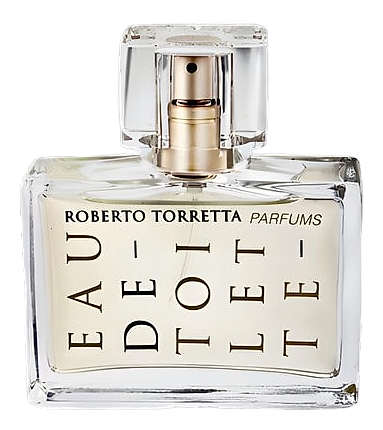
Roberto Torretta built his reputation as a fashion designer before the perfume house was ever launched. After studying in Argentina, he moved to Spain and became a fixture of Madrid's fashion scene, presenting collections that drew on Latin American heritage filtered through European tailoring traditions. His ready-to-wear label became a reference point for South American designers working within an international luxury context. The transition into fragrance came in 2011, when the house released its first trio of scents. According to fragrance databases, all three perfumes from the line, including the Eau de Toilette, Pour Femme, and Absolu, launched in that single year, marking a focused entry into beauty rather than a gradual expansion. Independent context around the perfume side of the business remains relatively thin compared to Torretta's fashion credentials, with most detailed coverage appearing in niche fragrance directories rather than mainstream fashion press. What is documented is that the brand sits within a small category of designer-led fragrance houses from Latin America attempting to bridge regional aesthetics with European perfumery conventions. Torretta's approach to fragrance mirrors the discipline seen in his fashion work, where structure, proportion, and material quality do the talking. The perfumes are conceived as extensions of a wardrobe, intended to complement a tailored look rather than compete with it. This positions the line within a tradition of designer fragrances that favor coherence over spectacle. The creative vision behind the scents leans toward accessible femininity and masculine refinement, with names like Pour Femme signaling a direct, unembellished sensibility. There is no public manifesto from the house on perfumery philosophy; instead, the cues come from the designer's broader body of work, where European minimalism absorbs Argentine warmth. The result is a line that prizes balance over boldness and personality over trend-chasing.