The Story
Why it exists.
The beginning
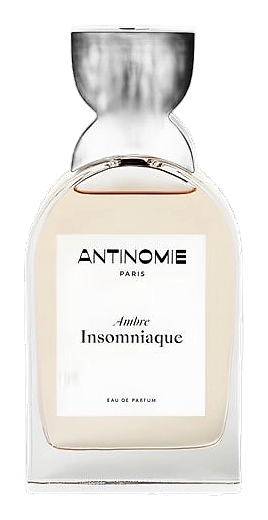
Antinomie builds from contradiction, and Ambre Insomniaque is no exception. The name alone, sleepless amber, holds tension: insomnia should be restless, but amber is the opposite. The house wanted a fragrance for the hours when the world quiets and something warmer takes over. Something that rewards staying awake rather than fighting it. Ranya Maaner designed this as the brand's answer to the lie that amber fragrances are only for cold months or quiet afternoons. This one belongs to the late shift, the second wind, the moment the streetlights come on and the air gets heavier.
The structure is the story here. Amber appears in the top, the heart, and the base, three acts of the same material, which is rare and deliberate. Most fragrances build in layers: something arrives, something replaces it, something lingers. Ambre Insomniaque keeps returning to amber like a musician resolving to the same chord. The effect is cohesive rather than dramatic. White peach and lemon open bright, but amber is already underneath, pulling them toward warmth before they've fully arrived. It's the compositional spine that makes the whole thing feel inevitable rather than constructed.
The evolution
The first spray hits bright, white peach sweetness, lemon zest, the smell of something eager. Within twenty minutes the amber pushes through, and the sweetness changes register. Less fruit, more warmth. The oriental notes deepen it without heaviness. By the third hour the lemon has faded entirely and the composition settles into its base: vanilla cream, white musk, and amber that hasn't left the conversation. The drydown reads close to skin, powdery, warm, faintly sweet. It lingers on fabric long after the wearer has moved on. Eight to ten hours on most skin types, stronger sillage than the name suggests.
Cultural impact
Ambre Insomniaque arrived as niche fragrance culture was flourishing online, finding its audience through communities that celebrate unconventional perfumery. Antinomie's debut collection challenged the idea that indie houses must choose between artistic vision and wearability. The white peach and lemon opening broke from the darker, heavier amber conventions of the era, offering something luminous and approachable without sacrificing depth. This fragrance helped shape conversations around what modern amber could be: not just resinous andoud-like, but bright, fruity, and layered. Its reception among enthusiasts who track niche releases demonstrated that a small house with a clear identity could earn a place alongside established independent perfumers.