The Story
Why it exists.
The beginning
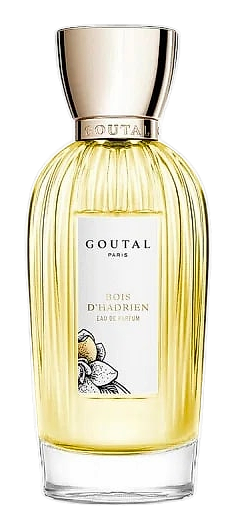
Bois d'Hadrien arrived in 2018, composed by Camille Goutal. It takes the luminous citrus of the original 1981 Hadrien and runs it through a forest. Where the original was sun on skin, this is shade. Still unmistakably Hadrien, still Mediterranean, but the light has shifted and the trees have grown up around you.
The flanker concept here is reversal rather than extension. The original asks you to feel the warmth. Bois asks you to feel what comes after. Cypress and stone pine do not amplify the citrus so much as contextualize it. Suddenly the lemon and citron read as part of a landscape, not the whole of it. The effect is cooler, more contemplative, and arguably more interesting for it.
The evolution
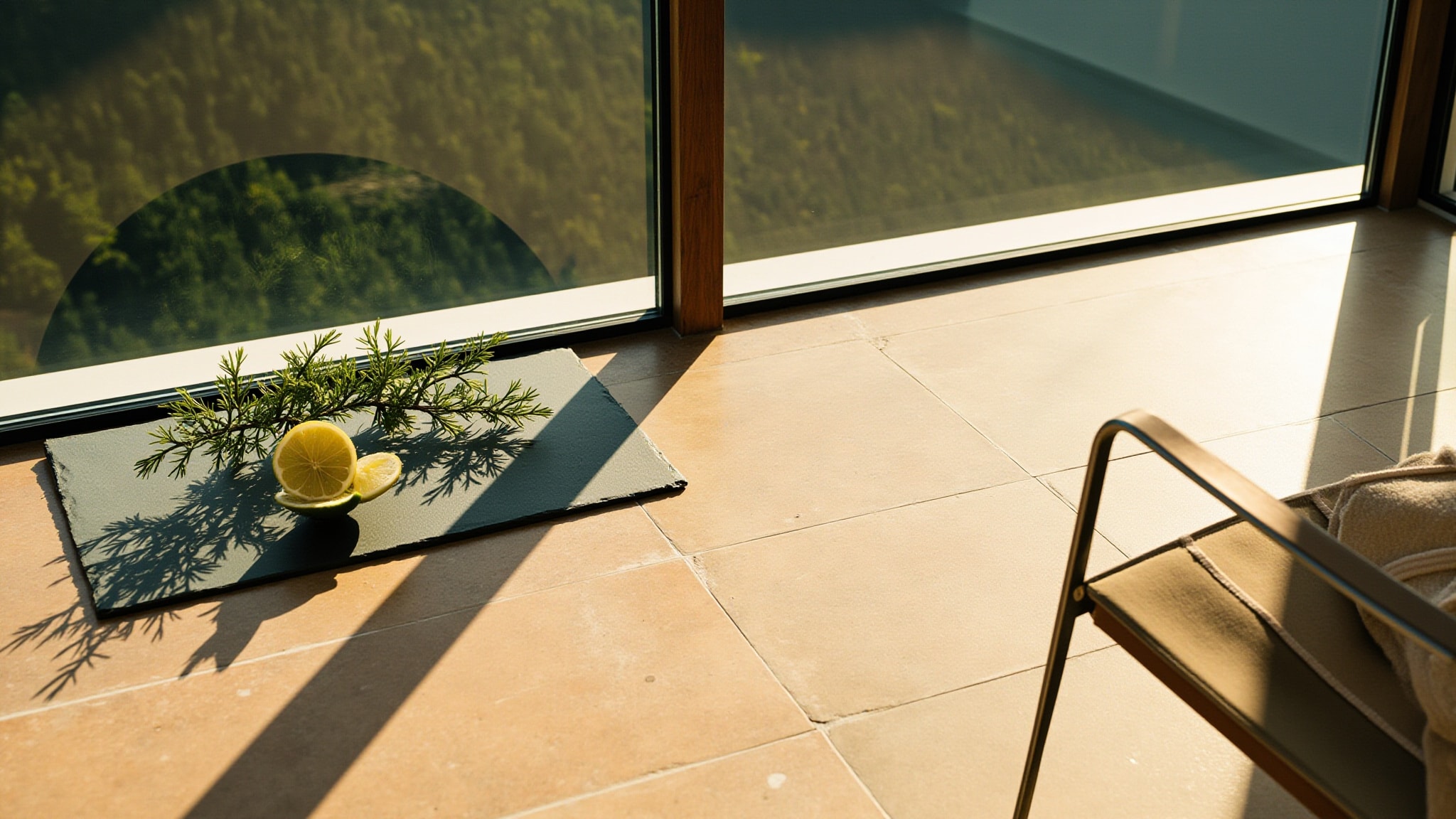
Lime opens sharp and tart, a quick bright note that announces the composition and then gets out of the way. Within minutes the heart takes over: citrus fruits and ylang-ylang arrive together, the florals softening what might otherwise read as astringent. Then the cypress arrives. It does not storm the composition. It settles into it, slowly, like fog through trees. The drydown is where this fragrance earns its name. Cypress and stone pine dominate, clean and dry and evergreen, with just enough spice to keep the wood from reading as austere. The entire composition stays close to the skin, intimate and lingering, present for hours after the initial spray.
Cultural impact
Bois d'Hadrien arrives in 2018 as a reinterpretation of the original Eau d'Hadrien from 1981, composed by Camille Goutal who trained under her mother Annick and has carried the house forward since the late 1990s. The Goutal house occupies a distinctive position in French perfumery, founded by a woman in 1980 during an era when female perfumers were exceptionally rare. Annick built the house on literary-named compositions that broke from the amber-heavy conventions of their time, and Camille has maintained that specificity while evolving the catalog. The 2018 release reflects a broader cultural moment where consumers began seeking nuanced citrus compositions that felt authentic rather than synthetic.