The Story
Why it exists.
The beginning
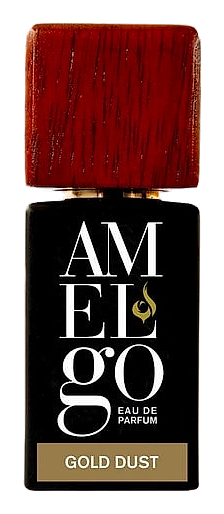
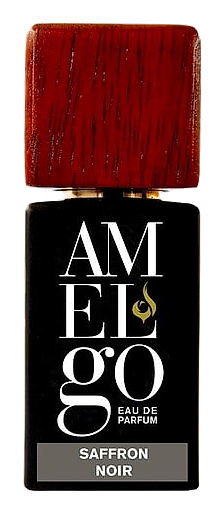
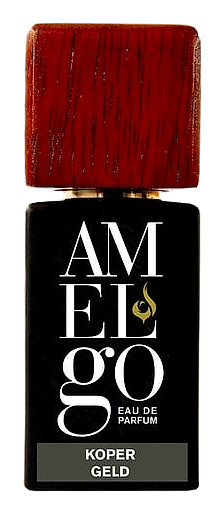
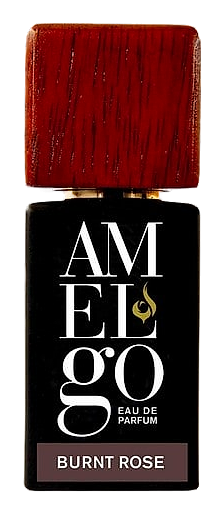
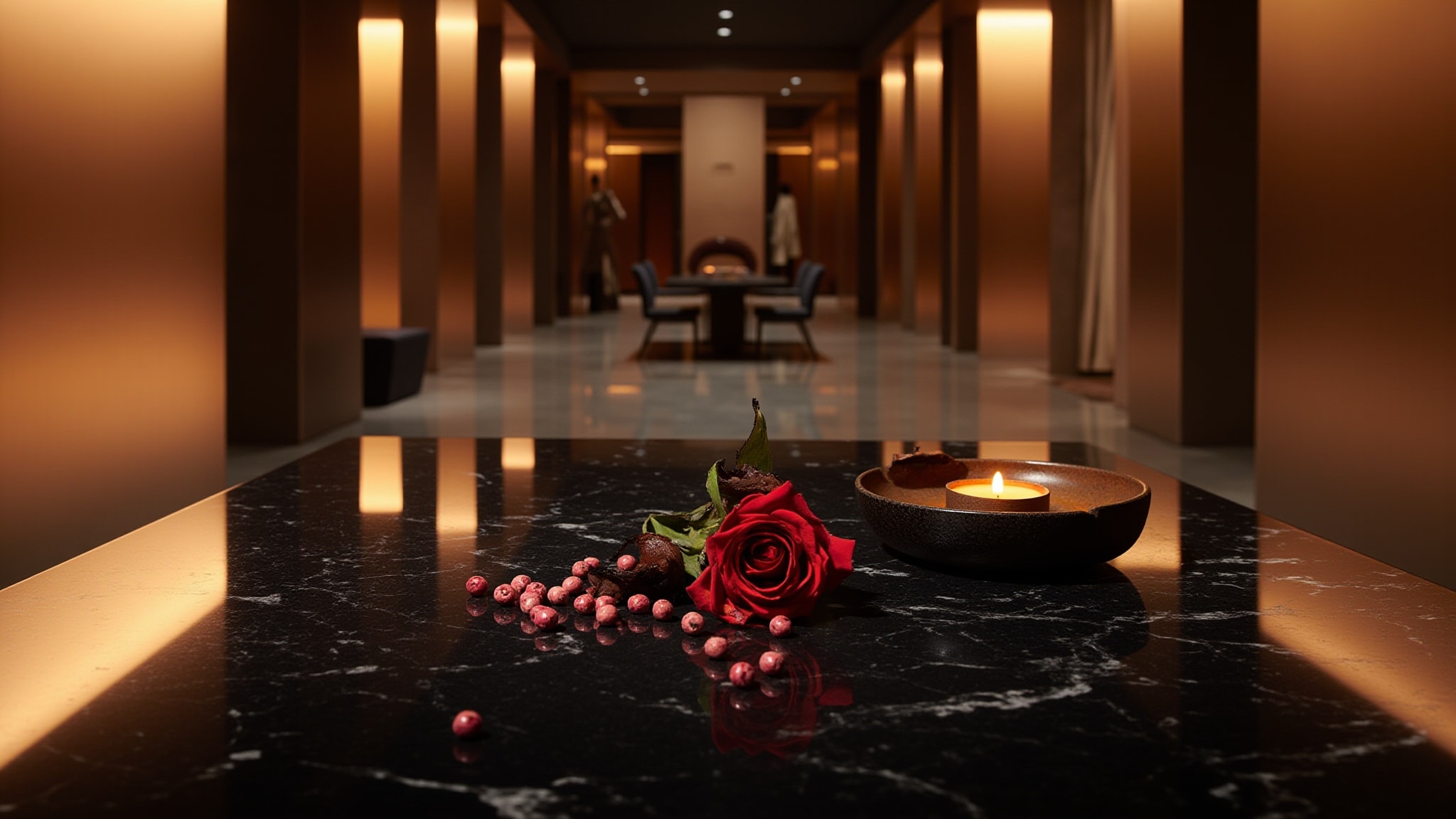
Burnt Rose arrived in 2018 as part of Amelgo’s fragrance line. Its name sets the central idea plainly: rose, but not untouched rose. The composition places Pink Pepper at the top, Saffron at the heart, and Rose through the base, letting brightness, spice, and floral warmth arrive in sequence rather than all at once. There’s no verified perfumer credit or documented origin story beyond that 2018 launch, so the name and the note structure do the talking. It feels less like a fresh bouquet and more like a flower caught in changing light, where sweetness gains an edge and romance gets a little heat.
The unusual part is the economy of the structure. Pink Pepper brings a clean, lively snap, Saffron adds a warm metallic spice, and Rose gives the whole thing a floral center that can read as elegant, sensual, or slightly dangerous depending on the moment. That gives Burnt Rose a flexible identity without borrowing heavily from literal smoke or woods. The brand describes the result as clean yet intensely romantic, with a subtle woody core, but the source note pyramid stays compact. The drama comes from contrast, not from a crowded cast of ingredients.
The evolution
Burnt Rose begins with a clean lift, where Pink Pepper makes the air feel bright and sharply dressed. The impression is crisp first, with just enough edge to keep the rose from becoming overly sweet. Saffron then enters as the warm, slightly metallic middle, and that spice changes the temperature of the composition. It feels less like a floral sitting still and more like a rose lit from behind, its edges glowing. As the scent settles, Rose becomes clearer and more generous. The opening brightness gives way to a warmer floral center, while the rose gradually takes over as the composition becomes softer and more rounded on skin.
Cultural impact
Burnt Rose can be understood through its own scent structure rather than a broader cultural movement. Pink Pepper creates a crisp opening, Saffron brings a warm and slightly metallic center, and Rose develops through the base with a gradual shift from brightness toward floral warmth. The name reinforces the idea of a rose presented with greater intensity and contrast. Limited independent coverage means there’s no reliable reception history to report, so the fragrance is best explored through its composition and the changing impression it creates on skin.