The Story
Why it exists.
The beginning
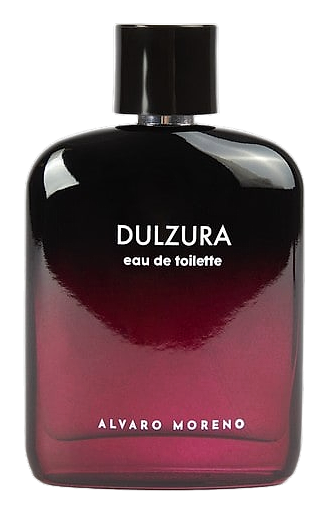
Dulzura, the Spanish word for sweetness, lands exactly where its name promises, and somewhere it doesn't. Alvaro Moreno built this composition around a single thesis: sweetness that's been somewhere, done something, and come back changed. The fragrance draws its name from a quality everyone recognizes, a momentary sugar rush, a kindness, a kiss, but the juice inside the bottle is far more considered than the word suggests. Where other sweet compositions reach for vanilla or caramel and stop there, Dulzura pulls sugar into a smoky, balsamic register, giving the sweetness a gravity it doesn't usually carry. The frankincense acts as the anchor, a resinous counterweight that keeps the sugar from floating off into confectionery territory.
The pairing of sugar with frankincense is where the real conversation happens. Dulzura takes sugar and threads it through a smoky, balsamic structure, so the sweetness reads as warmth rather than dessert. The incense acts as a smoke screen, adding gravity to what could otherwise float. The resinous facets of the frankincense fold into the sweetness without flattening it, and the result is a composition that smells like burnt caramel caught in the air of a church, warm, faintly sacred, never literal.
The evolution
Dulzura opens with a wall of sweetness that's almost confrontational, sugar and warmth hitting the skin before anything else has a chance to settle. The initial impression is dense and immediate, a rush of caramelized warmth that fills the air close to the body. As the opening softens, the incense surfaces, threading smoke through the caramel and pulling the composition into darker territory. The resinous facets of the frankincense start to take shape, dry and slightly bitter, pulling against the sugar's warmth. The heart phase is where the two negotiate: sugar offering warmth, frankincense offering gravity, neither one winning outright. There's a genuine dialogue happening between the notes, and the composition feels alive because of it. As the wear continues, the balance shifts, the smoke deepens while the sweetness retreats to a low hum, still present but no longer leading.
Cultural impact
Dulzura sits in an unusual corner of the market, a fragrance that uses sugar as a primary structural element but resists the obvious gourmand route. Most sweet fragrances in the broader market reach for vanilla, caramel, or edible associations and settle there. Dulzura threads its sugar through frankincense, giving the sweetness a smoky, balsamic undertone that keeps it from reading as dessert. The Spanish-language name is deliberate, a warmth and plainness that comes from everyday speech rather than classical perfumery vocabulary.