
The Story
Why it exists.
The beginning
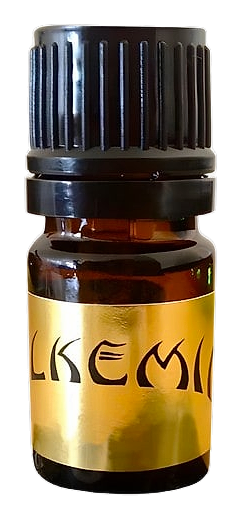
The Yellow Book refers to a British quarterly literary magazine published from 1894 to 1897, a artifact of the Aesthetic and Decadent movements that scandalized Victorian England. Its pages hosted Oscar Wilde, Henry James, and illustrations by Aubrey Beardsley so provocative they got the publication banned. Sharra Lamoureaux named this fragrance after that era of deliberate provocation, when art decided it didn't need to be polite. The perfumer's own description reads like a tagline lifted from one of those forbidden pages: dry amber, blonde tobacco, naughtily spiced aldehydes, leather bindings, dark chilis soaked in spiced rum. It's a composition that wears its ambition without apology.
What makes this structure unusual is the collision of registers. Yuzu, bright, almost biting citrus, opens against warm amber and blonde tobacco. Coffee and rum shouldn't coexist this easily, but they do here, anchored by wild honey that keeps the whole thing from tipping into bitterness. The leather note isn't the smoked, leathery leather of masculineorientated fragrances, it's the supple binding of old books, warm and intimate rather than rugged. Chili and saffron add heat without fireworks, and benzoin wraps everything in a resinous sweetness that lingers close to the skin. Aldehydes tie it together with a vintage sensibility, a reminder that this fragrance knows its literary history.
The evolution
The opening hits bright and tart, yuzu cutting through warm amber like afternoon light through amber glass. Aldehydes arrive with a slightly powdery, vintage shimmer, not sharp but certainly present, lending an air of something old and coveted. Within minutes the rum asserts itself, dark and sweet against the tobacco's blonde dryness. Coffee surfaces in the heart, not roasted-dark but pale, almost creamy, softened by wild honey. The leather doesn't storm in, it settles slowly, close to the skin, the way old book bindings smell when you open a first edition. Saffron and chili add a quiet heat that never quite burns off. By the drydown, the amber and benzoin have taken over, sweet and resinous, with the tobacco lingering underneath like a closing line in an unfinished chapter. On fabric, this fragrance holds for hours. On skin, it stays intimate, moderate sillage, the kind of scent someone notices only when they're standing close enough to be interesting.
Cultural impact
Yellow Book emerged from Alkemia's Decadents Collection, a line that takes its naming seriously. The fragrance fits squarely into the house's wheelhouse of amber-rich, incense-adjacent compositions, but it occupies a more literary space than its siblings, warmer, sweeter, with an Aesthetic-era sensibility that reads as both vintage and deliberately provocative. Its discontinuation suggests it was either too niche for sustainable production or too specific in its appeal, a fragrance for someone who reads Wilde for pleasure, not homework.