The Story
Why it exists.
The beginning
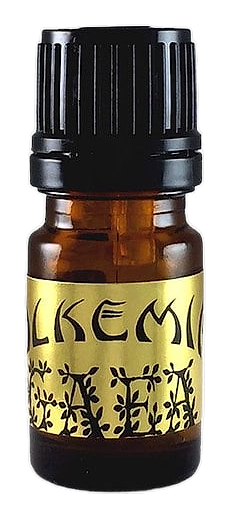
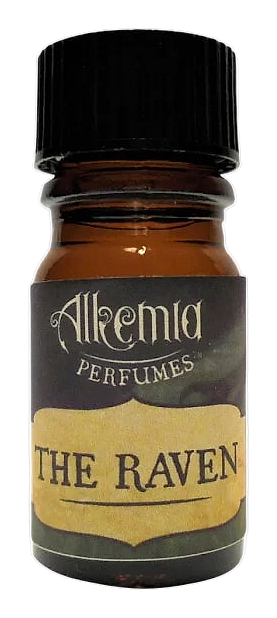
The title nods to Rumi, a love poem told through the rose, where beauty and pain are inseparable. For Sharra Lamoureaux, it became a brief: build a fragrance that captures the garden as it actually exists, not the idealized version. Rambling, thorned, a little untidy. Wild rose for the flower itself, not the accord extracted from it. White tea for the mineral coolness that makes a green garden feel alive. The result is a scent that smells like a place, not a product.
White tea and wild rose are an unusual pairing, one is volatile, ephemeral, the other bold and insistent. Alkemia resolves the tension by anchoring the tea in patchouli and moss rather than letting it float away. The effect is a rose that breathes rather than blooms. The green notes do the structural work: lemon verbena at the opening keeps things sharp, wet moss at the base extends the green into something that lingers. It's a garden after a spring storm, wet earth, green air, roses opening in the cool.
The evolution
Lemon verbena hits first, bright, citrusy, herbaceous. It lasts maybe thirty minutes before the white tea arrives and tempers it with something mineral and cool. This is the hand-off: citrus cedes to tea. Then the rose. Not a damask bow or a rosewater whisper, a rambling wild rose that smells like the flower itself, green stems included. It blooms over the next two to three hours, never fully eclipsing the tea but growing insistent beneath it. Patchouli arrives quietly around hour three, a earthy anchor that slows everything down. Moss. Wet earth. The green that stays when everything else has settled. On fabric, this fragrance holds for six to eight hours with a quiet sillage, present to the wearer, not demanding attention from the room.
Cultural impact
Alkemia occupies a particular space in indie perfumery: botanical-forward, gender-neutral by default, focused on scent as sensory experience rather than status marker. The Lover Tells Of The Rose fits that positioning precisely, a green-floral that won't apologize for smelling like a garden rather than a boutique. Among niche fragrance enthusiasts, it attracts the wearer who finds conventional florals too polite and wants something with more natural disorder. The community skews literary, which tracks with the Rumi reference. Not a best-seller in the classic sense, this is a cult fragrance for a specific sensibility.