
The Story
Why it exists.
The beginning
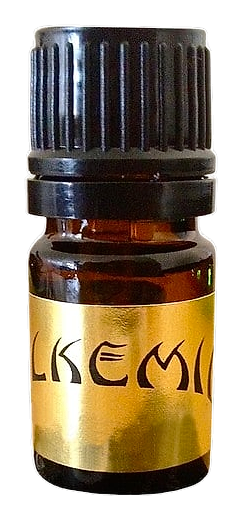
Alkemia's Cyanide exists because some of the most intoxicating scents in nature come from plants that will kill you if you eat them. Oleander hangs from every highway median in Arizona, beautiful, lethal, and filling the air with a sweetness that borders on narcotic. Sharra Lamoureaux built Cyanide around that contradiction: the creamy headiness of Nerium Oleander, sharpened by absinthe's legendary bite and grounded by patchouli's earthiness. The result is a fragrance that earns its name not through any actual toxicity, but through the sheer audacity of its concept, a love letter to everything dangerous and beautiful in the botanical world.
Bitter almond and absinthe share a molecular secret: both contain compounds that, in different contexts, are associated with cyanide. The fragrance doesn't recreate poison, it borrows the vibe. The green, slightly chemical sharpness that makes absinthe infamous pairs unexpectedly well with oleander's thick, sweet florals. Neither note is easy to work with; both are known for behaving unpredictably on skin. Patchouli anchors what could become a volatile mixture, adding the earthy, almost dirty depth that keeps the more volatile elements from taking over entirely. It's a composition built around controlled danger, familiar materials pushed into unfamiliar territory.
The evolution
The opening hits like walking into a sun-drenched greenhouse that's been closed too long. Oleander's white blooms are thick and creamy, almost indolic, but the bitter almond pulls them back from sweetness into something with teeth. Within fifteen minutes, the absinthe arrives, sharp, green, a flash of black licorice that cuts the density. The combination smells like a beautiful mistake, something that shouldn't work but does. By the second hour, the green notes soften and the patchouli rises. What was sharp becomes warm. What was dangerous becomes intimate. The drydown is subtle and close, a skin scent that lingers another four hours, barely there but impossible to fully forget.
Cultural impact
Cyanide occupies a specific corner of indie perfumery: the 'dangerous botanical' theme that appeals to people who want fragrance to mean something beyond pleasant. The Poisoners Guild release context gives it cult status among collectors. It's the kind of fragrance that generates conversation precisely because it refuses to be inoffensive.