The Story
Why it exists.
The beginning
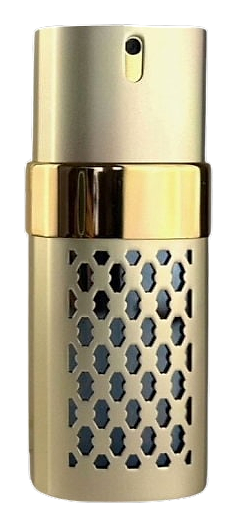
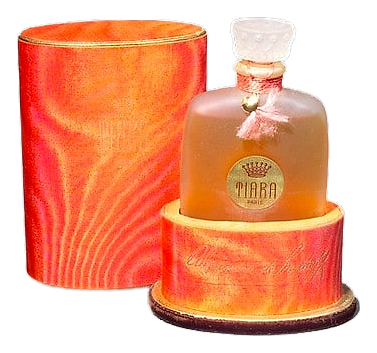
Tiara arrived in 1955, the fragrance that helped define Alexandra de Markoff's early presence in the market. The name itself suggests adornment rather than utility, a composition positioned as something a woman pins on before she steps into a room that already expects her. Where the house's earlier work had established a certain classical reserve, Tiara offered something richer, a floral warmth that read as openly feminine without abandoning the composure the label was known for. It is a fragrance that treats the wearer as the occasion, not the perfume. The bottle, the name, the whole conceit speaks to a moment when American perfumery was learning to crown itself, borrowing the vocabulary of jewelry and ceremony to sell scent as something closer to a finishing touch than a functional step.
The composition leans on tiare, a flower prized in perfumery for its dense, almost tropical sweetness that reads simultaneously creamy and indolic. Tiare carries the unusual ability to smell both sun-warmed and slightly provocative, the white of the petal belying the heat underneath. Pairing it with broader floral notes gives the composition its distinctive balance: tropical lushness, but disciplined, wearable, shaped to last through an evening rather than vanish by dessert.
The evolution
The opening arrives bright and dewy, a soft white-floral haze that leans clean before any sweetness sets in. Tiare moves to center as the composition develops, its coconut-cream fullness swelling and filling out the space around the wearer. The indolic character surfaces in the heart, that slightly animalic warmth that sits beneath the petals, the part that makes Tiara feel less innocent than it first appeared. As the hours pass, that indolic thread grows more prominent, never overwhelming but always present, lending the composition a warmth that reads as intimate rather than ornamental. The drydown is quieter than the heart, the florals receding into a soft skin-musky impression that holds close to the body for the remainder of the wear. What lingers is a faint trace of tiare and warm skin, like the memory of having been somewhere lovely, intimate and considered rather than declarative.
Cultural impact
Tiara sits comfortably among the white florals of its era, the kind of composition worn for the quiet confidence of someone who expects to be noticed without asking for it. It rewards the wearer rather than the room, a scent that announces itself only to those who lean in. That balance between presence and restraint has kept Tiara in conversation for decades, a reminder that some fragrances earn their longevity by staying close to the skin rather than filling the air around it.