The Story
Why it exists.
The beginning
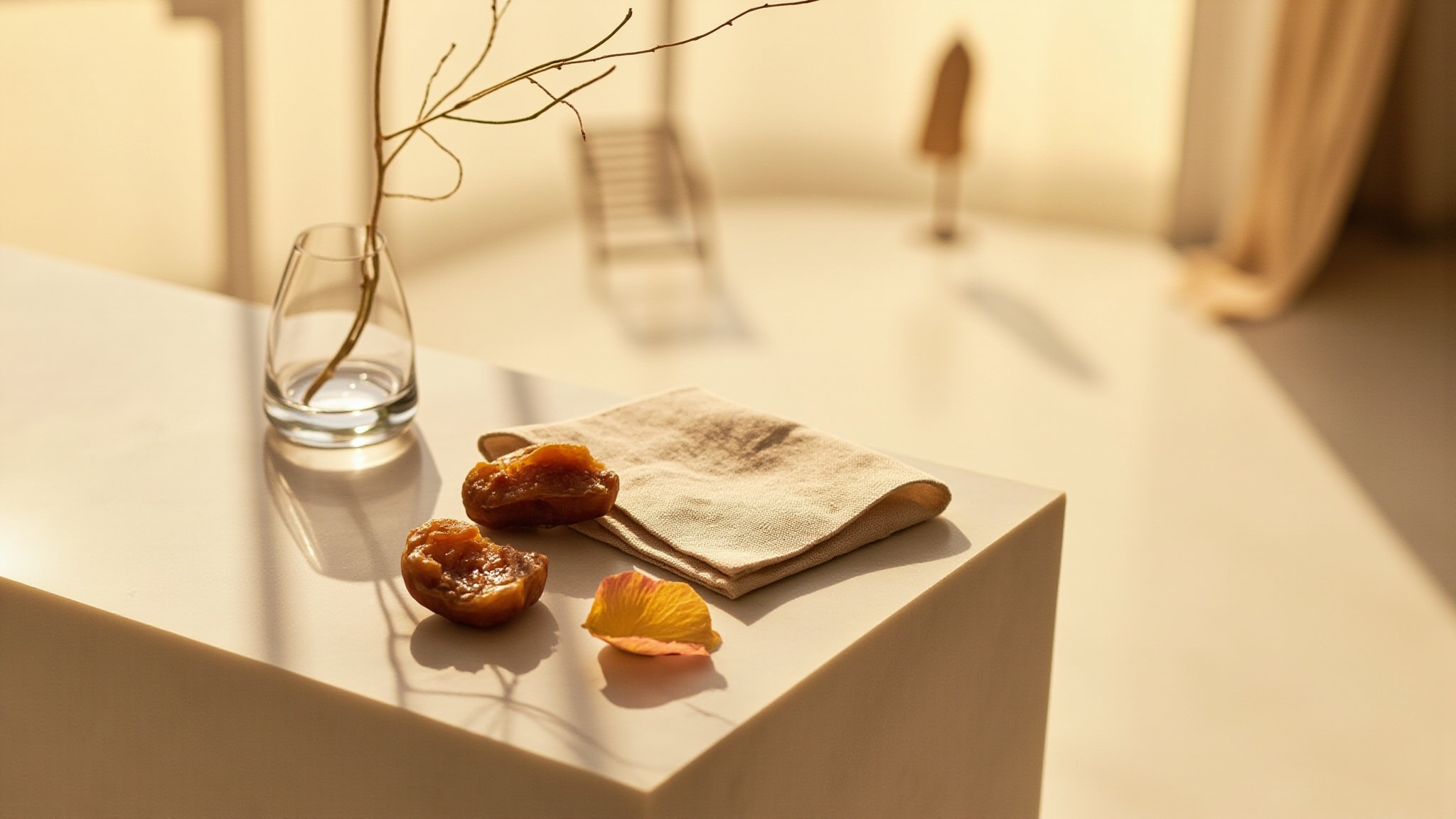
Tiff Tiff was designed as a sweet, modern Arabian fragrance, a departure from the house's oud-forward tradition. The name itself suggests something light: a whispered conversation, a moment of closeness. Sugar and rose play against each other here, edible sweetness from dates and sugar, balanced by Bulgarian rose's lush floral heart, grounded by vanilla and tonka warmth. It's approachable and romantic, made for those who want something sweet without the weight.
The interplay between sugar and rose is the point. Dates bring a deeper, stickier sweetness than sugar alone, caramel without the smoke. Mandarin keeps it bright, preventing the sweetness from becoming cloying. Bulgarian rose and red fruits create a jammy, feminine heart that feels lush rather than synthetic. Vanilla and tonka bean add warmth and sensuality, the kind that lingers close to skin rather than announcing itself. This is sweet made sophisticated.
The evolution
Sugar and mandarin hit first, bright, sweet, like candied citrus. The dates ground it with a sticky caramel depth that stops it from feeling thin. Around 30 minutes in, Bulgarian rose takes over as the heart. Rich and romantic. The red fruits make it jammy, almost like rose jam. The transition doesn't feel abrupt. It feels like the florals are continuing the same story. Around three hours in, vanilla and tonka bean arrive. Warm. Intimate. This is where the fragrance becomes personal. Not for projecting. For lingering. The sweetness never fully disappears. It just gets quieter, more personal. By hour six, you might still catch traces of it on your wrist the next morning.
Cultural impact
Tiff Tiff reflects a significant shift in Arabian perfumery when it launched in 2013, representing how regional fragrance houses began embracing sweet, edible notes at a time when oud and traditional blends dominated the market. Ahmed Al Maghribi, operating from Ajman since 2000, used this fragrance to appeal to younger consumers seeking sweeter, more approachable scents without sacrificing the richness expected from Gulf perfume houses. The success of such sweet-gourmand fragrances in the Arabian market helped normalize fruit-forward, vanilla-rich compositions alongside traditional oud-based offerings.