
The Story
Why it exists.
The beginning
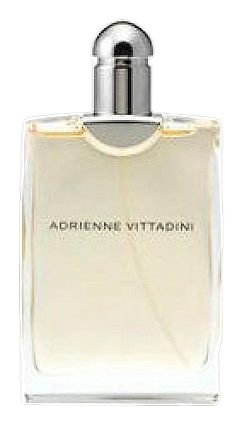
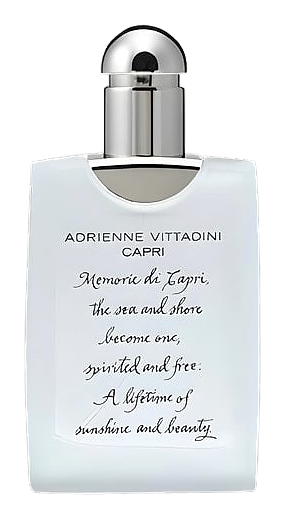
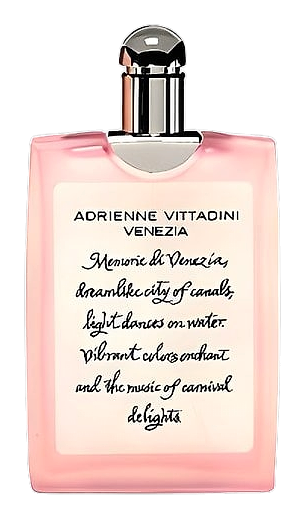
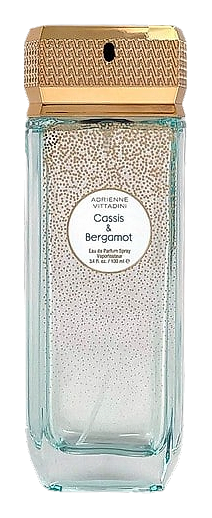
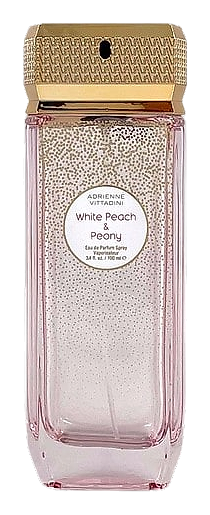
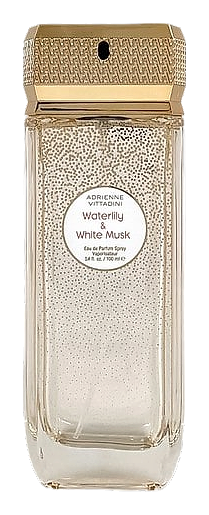
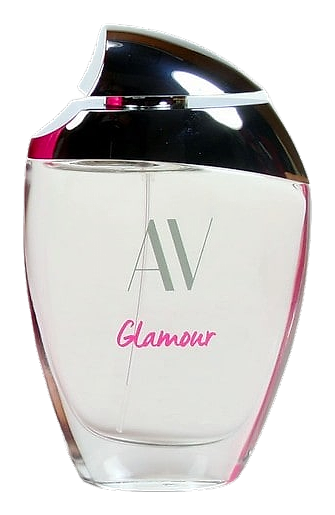
AV Glamour arrived in 2013 as the latest chapter in an American fashion house's scent collection that began with AV in 1994. Where earlier releases leaned into florals and citrus, Glamour marked a shift toward something more textured, a fragrance that understood the appeal of restraint. The name promised glamour, but the composition delivered it quietly. Violet leaf and orchid offered the softness, while sandalwood anchored the whole thing in warmth. It was, in the house's tradition, approachable glamour. No pretense. Just skin.
What makes the Violet Leaf, Orchid, Sandalwood trio interesting is the tension it sets up. Violet leaf brings green, slightly dewy freshness, the smell of stems just cut, of morning air before it warms. Orchid adds powdery, exotic sweetness without crossing into heavy floral territory. Sandalwood then does what sandalwood does: rounds everything into warmth, creamy and intimate. The combination is neither fully cool nor fully warm. It sits in that narrow band where fresh becomes cozy, where green becomes soft. That's harder to execute than it sounds.
The evolution
The opening hits clean and immediate, violet leaf's green sharpness against what feels like cool air. Thirty minutes in, the orchid emerges, smoothing the edges into something powdery and quietly floral. The sandalwood doesn't rush. It arrives gradually, wrapping around the orchid and pushing the green notes toward the background. By hour two, the composition has settled into something warm and close to the skin. The drydown is intimate by design, sandalwood's creaminess lingers without projecting far, just a soft warmth that stays present for 4-6 hours depending on skin chemistry. On fabric, it echoes longer, fainter, like a memory of scent.
Cultural impact
AV Glamour sits in a particular sweet spot: modern enough to feel current, restrained enough to wear anywhere. In the context of the Adrienne Vittadini fragrance collection, it represents a move toward texture over sheer florals, something with a bit more complexity than its predecessors. The ozonic and woody accords appealed to those who wanted something fresh but not clinical, soft but not saccharine.