Heritage
A house, in its own words
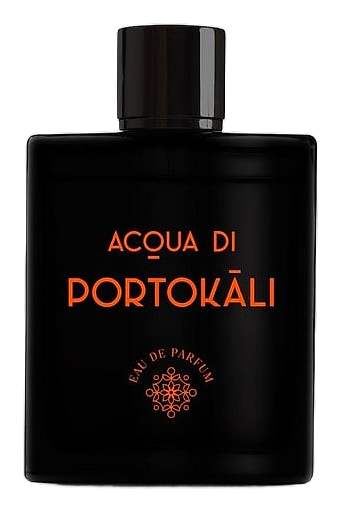
Acqua di Portokali was founded in Portugal in 2017 with an explicit aim: to pay tribute to Agua de Portugal, a historic formula in the tradition of perfumery. This reference places the young brand within a much older lineage of citrus-based fragrances. The story of eau de cologne begins in 1709, when Italian-born Johann Maria Farina settled in Cologne, Germany, and established his perfume house. His light, citrus-led formula became the foundation for the eau de cologne genre that would later inform Acqua di Portokali's chosen path. Portugal's own contribution to this lineage is Agua de Portugal, a classic fragrance associated with the country's citrus culture. Acqua di Portokali chose to revive and reinterpret that tradition rather than invent a new category. The timing reflects a broader revival of interest in classic cologne structures during the modern niche perfumery era, a movement that includes houses with far older histories, such as Acqua di Parma, founded in Parma in 1916. Where established houses draw on decades or centuries of accumulated identity, Acqua di Portokali's heritage rests on a deliberate engagement with a recognized historical formula. The founding story is compact but clear: a Portuguese house, established in 2017, seeking to honor a specific classic and present it through a contemporary niche lens. Acqua di Portokali's creative vision centers on tribute rather than reinvention. By naming its debut fragrance after the house itself and building the concept around Agua de Portugal, the brand makes a clear statement about where it draws its inspiration: the citrus fragrance traditions of the Iberian Peninsula and the broader history of eau de cologne. Portugal is not merely a point of origin for the brand but the core of its narrative. The country's association with oranges, Mediterranean light, and traditional cologne compositions provides both subject matter and a framework for the perfumery. The chosen reference point, Agua de Portugal, suggests a preference for established formulas with cultural roots over novelty for its own sake. This approach differentiates Acqua di Portokali from many independent fragrance houses that build their identity around a single aesthetic signature. Here, the signature is historical continuity. The name itself, a play on the Italian term for oranges, signals a Mediterranean sensibility that extends beyond Portugal's borders. While the brand's public-facing materials are often brief in their descriptions, the underlying idea is consistent. Acqua di Portokali places itself as a custodian of a recognizable perfumery lineage, translating a classic Portuguese citrus formula for a contemporary audience of fragrance collectors.