
The Story
Why it exists.
The beginning
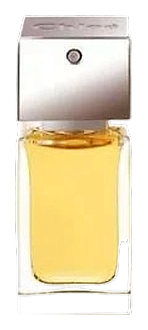
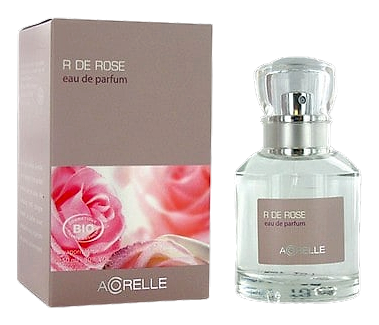
R de Rose emerged as an exploration of rose in its most essential form, stripped of the concentrated extracts typically found in laboratory formulations. The composition opened with Bulgarian rose and Egyptian geranium, two materials chosen for their ability to convey the flower without the heavy saturation that synthetic components often impose. These top notes arrived together, creating an immediate dialogue rather than a staged introduction. Freesia rounded the heart of the fragrance, adding a quiet dimension that supported the rose without competing for attention. Raspberry anchored the base, providing warmth and subtle fruitiness that kept the overall impression from feeling purely transparent.
The note structure of R de Rose is deceptively simple. Three materials carry the entire composition, which speaks to a philosophy of restraint over complexity. What makes this fragrance work is the geranium. Too often dismissed as merely a cousin to rose with a secondary citrus character, geranium here performs an essential function. It prevents the Bulgarian rose from ever settling into heaviness or tipping into the potpourri territory that rose alone can sometimes occupy. Without this balancing act, the composition would risk becoming dense and one-dimensional.
The evolution
The opening of R de Rose arrives quickly, with Bulgarian rose and Egyptian geranium appearing almost in unison rather than in the sequential staging typical of most fragrances. The geranium's fresh, green quality cuts through immediately, ensuring that the rose never settles into anything heavy or cloying. As the fragrance develops, the geranium gradually recedes and the Bulgarian rose takes fuller command of the composition. At this stage, the rose presents itself in a green, almost stem-like register, characteristic of how rose can express itself through carefully selected natural materials. Freesia emerges as a quiet presence in the background, offering a soft layering that adds dimension without demanding attention or overwhelming the nose.
Cultural impact
R de Rose arrived at a time when natural and organic beauty was beginning to attract serious attention from consumers seeking alternatives to conventional options. The fragrance occupied a specific position in the market, offering rose for someone drawn to botanical authenticity and a more intimate olfactory experience. Its close-wearing nature and restrained projection represented a departure from the bold sillage and pronounced projection that characterized much of the fragrance landscape.