
The Story
Why it exists.
The beginning
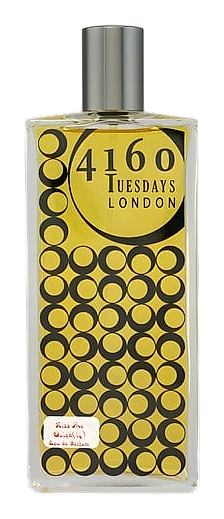
The brief was simple: the aromas of a past-its-heyday funfair in around about 1972. Sarah McCartney had a specific memory in mind, not the bright, freshly painted version of a fairground, but the one where the paint was peeling, the candy floss was starting to stick, and the sea air was mixing with toffee apples and old leather. Kiss Me Quick(ly) is her translation of that specific British seaside moment, captured in 2018. The name itself, borrowed from the old seaside candy, signals what's coming. Nothing here is precious. Nothing here is trying to impress you.
The genius of this composition is the way it holds two registers at once: the sugary, childlike sweetness of candy floss and toffee apples, and the worn, lived-in reality of old leather saddles, hot metal, and roll-up cigarette smoke. Most fragrances pick a lane. Kiss Me Quick(ly) refuses. The metallic note, described by the brand as "hot metal", is the structural surprise. It gives the sweetness somewhere to live that isn't saccharine. The sea breeze isn't decorative; it's doing the work of keeping the whole thing honest. Without it, this would just be dessert. With it, it becomes atmosphere.
The evolution
The first spray is an assault of candy floss and toffee apple. Sweet, almost cloying, until the sea breeze cuts through, sharp, salty, alive. Cotton candy dissolves into the air around you while something metallic hums underneath, warm and almost electric. Then the leather arrives. Not fresh leather, worn leather, the kind that's been sat on, sweated on, left out in the sun. The cigarette note isn't smoky so much as papery, like the end of a roll-up stubbed out on concrete. The straw note is the quietest, hay-like, dry, a grounding afterthought. The drydown is where this fragrance earns its keep. The sweetness fades. The sea air stays. The leather stays. Close to the skin, intimate, a memory of the fairground the morning after.
Cultural impact
Kiss Me Quick(ly) by 4160 Tuesdays arrived during a period when niche perfumery was embracing playful, narrative-driven scents that rejected the notion of fragrance as mere sophistication. This perfume captures a specific cultural moment, the rise of 'quick' energy in modern perfumery, where scent became about capturing feelings and scenes rather than traditional olfactory families. The combination of cotton candy and sea breeze speaks to a generation that grew up with carnival memories and coastal escapes, translating those accessible pleasures into wearable art. Its bold name suggests something urgent and flirtatious, challenging the stuffiness of traditional perfumery marketing.