Ted Young-Ing
Ted Young-Ing built his creative life in two distinct arenas before arriving at perfume. He spent years as an Art Director at Gucci and Yves Saint Laurent, then as a designer at a prominent London branding agency, shaping visual identities for some of fashion's most photographed houses. Perfume arrived almost sideways. A brief stint at ISIPCA gave him the formal foundation, but Ted describes himself as largely self-taught, a maker who learned by doing. He founded AER Scents (also referenced as Raer Scents) in Berlin, a city whose quiet creative gravity suited his shift from image-making to scent-making. The move from runway graphics to raw materials felt natural to him. Both demand an instinct for proportion, atmosphere, and restraint. Today he works as Creative Director and Perfumer of his own house, applying a designer's eye to the architecture of fragrance and a collector's obsession to the materials themselves.
The hits
Notable creations
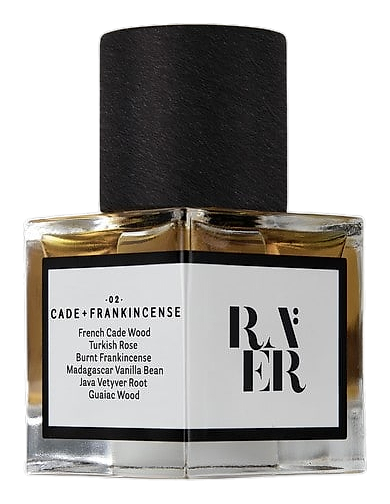
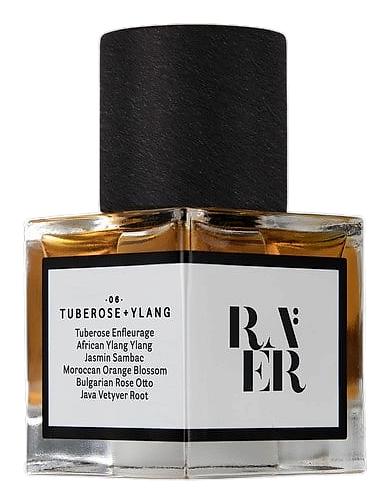
The signature
How Ted composes
Ted works with an autodidact's freedom and a designer's discipline. His compositions lean on naturals, the harder-to-source extracts and absolutes that reward patience and a careful hand. Coming from fashion and visual branding, he approaches fragrance construction the way a graphic designer approaches a layout, thinking in terms of weight, negative space, and where the eye (or nose) should land first. His aesthetic favors clarity over excess, allowing single materials to carry entire compositions rather than burying them in busy accords. Self-taught at the bench, trained at ISIPCA in the fundamentals, he occupies an unusual middle ground: technically informed, but guided by instinct and material obsession rather than academic convention.
Philosophy
What drives Ted
Ted's creative compass points toward the rare and the natural. He is the sort of perfumer who builds a personal organ piece by piece, chasing raw materials that most houses have quietly abandoned in favor of cheaper synthetics. For him, a fragrance is only as interesting as what goes into it. He trusts his nose over trend reports, believing that originality comes from spending real time with extraordinary ingredients rather than reverse-engineering market hits. Berlin gave him the freedom to work slowly, to chase quality over scale. The result is a practice rooted in curiosity, where each composition begins with a material obsession and builds outward into something wearable.
The houses
Maisons Ted composes for
In the same league