Serge Lutens
Serge Lutens arrived in this world in 1942 in Lille, northern France, during one of history's darkest chapters. His early years were marked by hardship and displacement, conditions that would later infuse his work with an unusual emotional gravity. At fourteen, he traded the classroom for a hair salon apprenticeship, developing the manual precision and aesthetic instinct that would serve him for decades. By his early twenties, he had moved to Paris and began working as a makeup artist, a role that placed him at the intersection of image, identity, and transformation. His talent caught the attention of Christian Dior, who brought him into the Maison as a hair stylist. From there, his career expanded fluidly into photography and filmmaking, with his images appearing regularly in the pages of Vogue, Elle, and Numero. A formative chapter came in 1968, when a visit to Morocco shifted his aesthetic toward shadow, ornament, and sensuality. Japan followed in 1970, introducing him to a culture of discipline, reduction, and craft. Shiseido recruited him in 1981 as an artistic director, a partnership that produced his first perfumes and established his reputation beyond cosmetics. The collaboration continued for over a decade before he launched his own signature collection, becoming one of the defining figures of what the industry would later call niche perfumery.
The hits
Notable creations
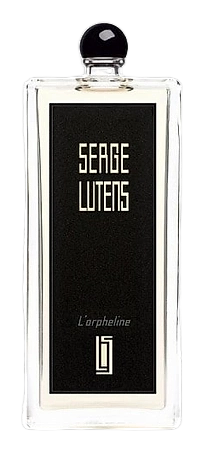
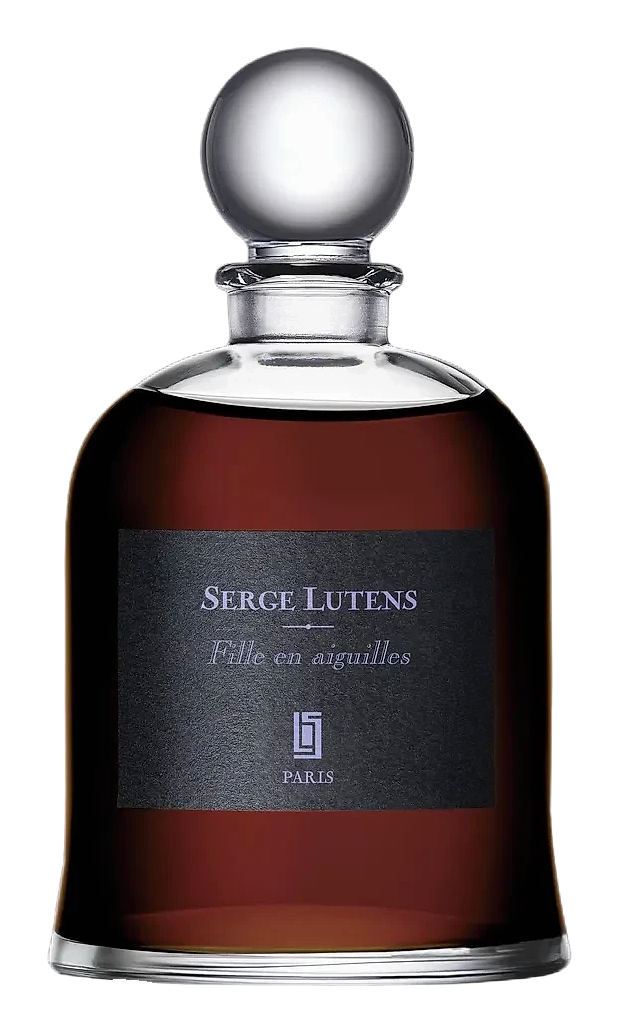
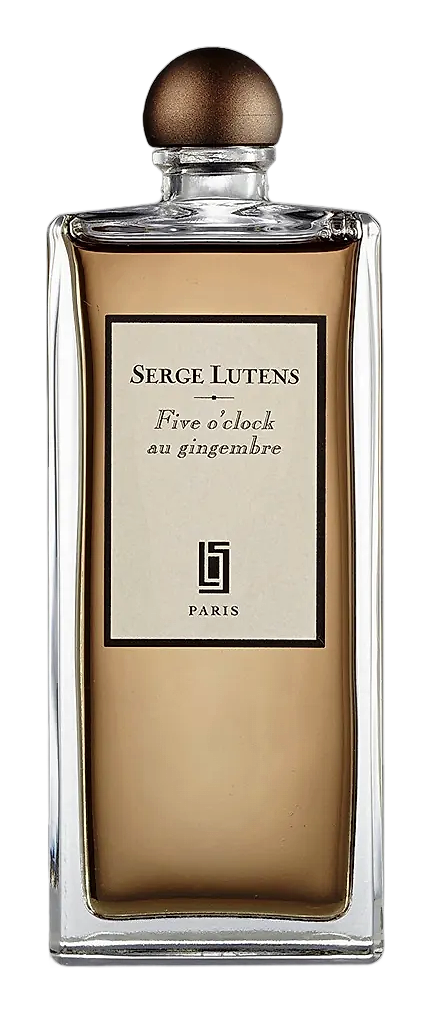

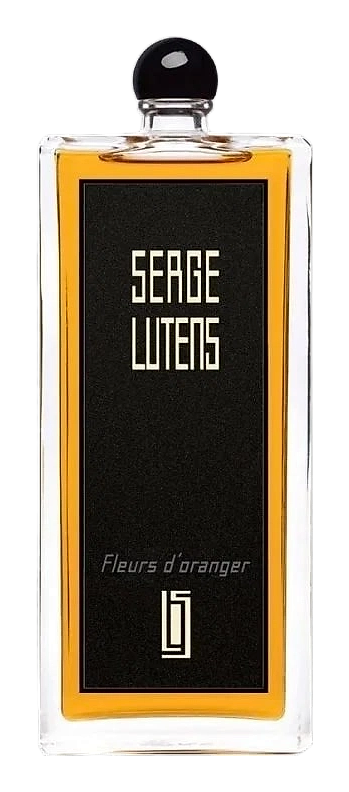
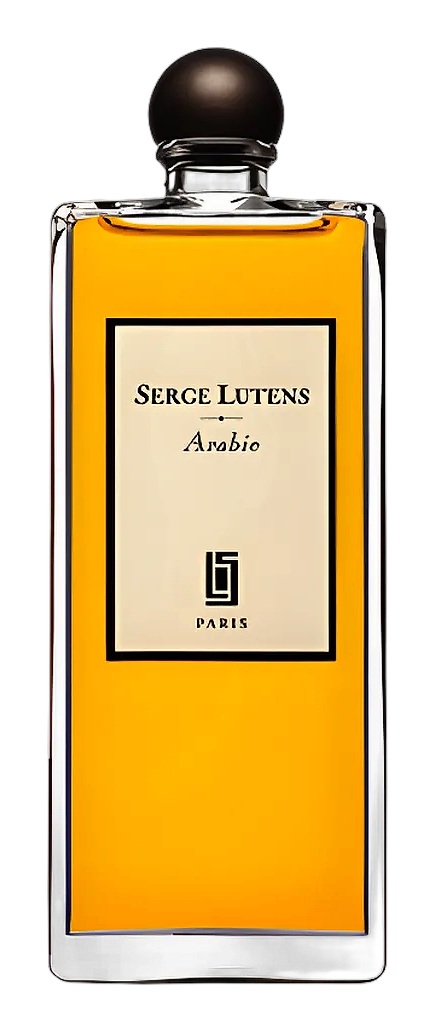
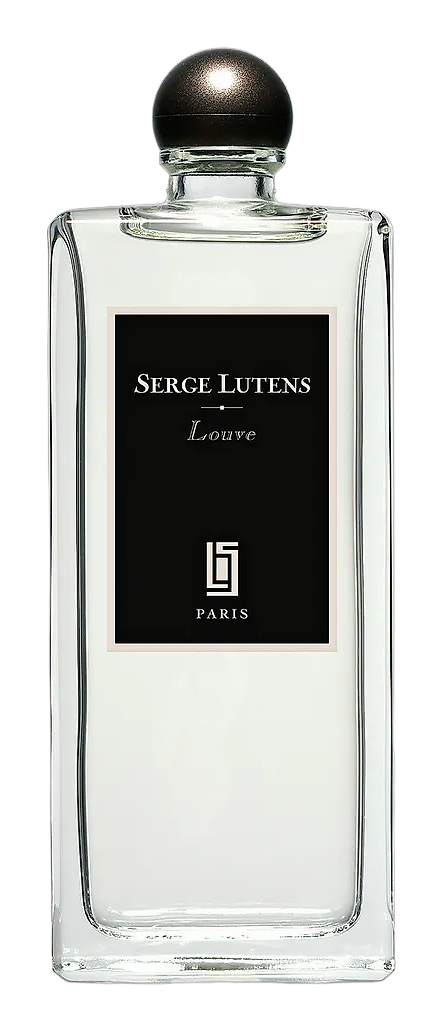
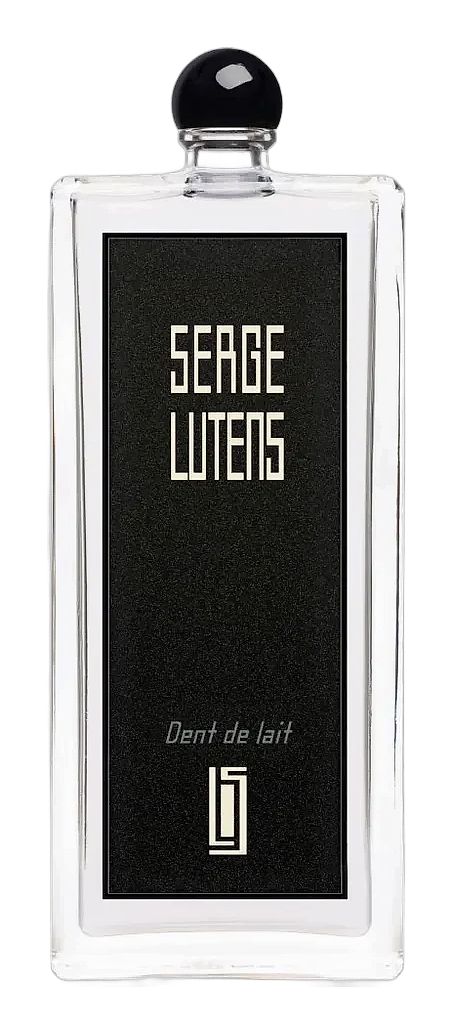
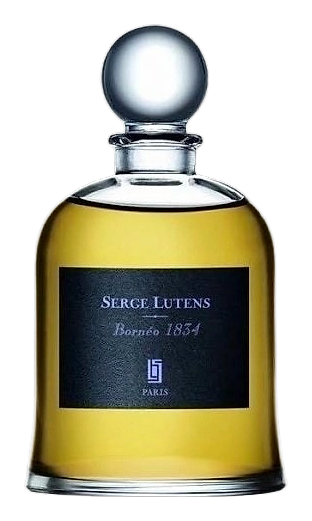
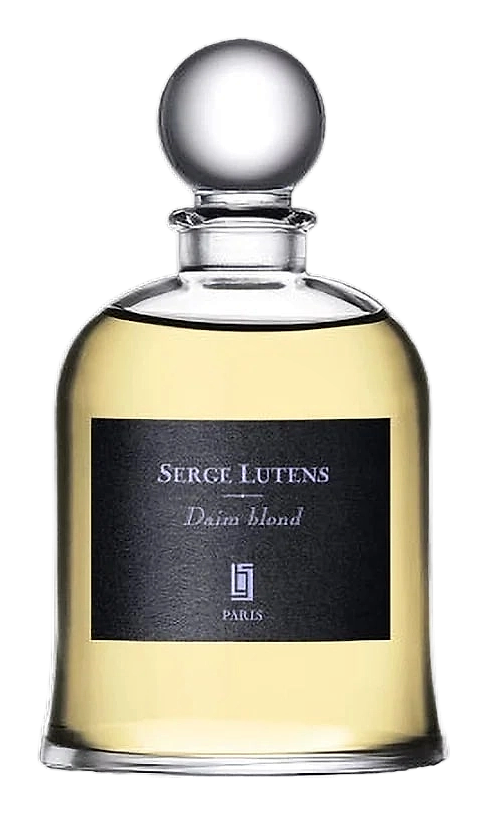
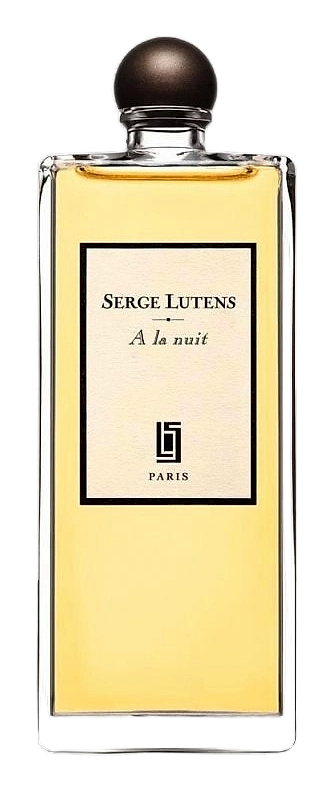

The signature
How Serge composes
Lutens is known for building fragrances around dense, unconventional woody structures, often centered onoud, cedar, and sandalwood that serve as both foundation and focal point. He frequently deploys animalic ingredients like civet, castoreum, and honey, not for shock value but for their capacity to ground a composition in something warm, imperfect, and alive. His palette includes dark florals, spices, resins, and smoked notes that can swing from near-gothic darkness to radiant sweetness. He favors long drydowns and fragrances that evolve meaningfully over hours, rewarding patience. His aesthetic is theatrical and literary, drawn from the imagery of the Middle East, Japan, and the European art house film tradition that shaped his early career. His style resists easy categorization because it was he who defined the niche aesthetic in the first place.
Philosophy
What drives Serge
Lutens approaches fragrance not as a pleasant accessory but as a vehicle for narrative and sensation. He builds perfumes around emotional or pictorial anchors: a memory from childhood, a quality of light, a place that shaped him. He has spoken of wanting his creations to disturb or unsettle, to move beyond simple beauty into something more lasting and personal. Unisex presentation came naturally to him, and he rejected the gendered marketing conventions of mainstream fragrance from the outset. He treats each bottle as an extension of an aesthetic universe he has spent decades constructing, one that owes as much to cinema, photography, and fine art as it does to raw perfume materials. The work is never purely commercial. It is confessional, experimental, and deeply intentional.
The houses
