George Darzens
Georges Darzens spent much of his career at the bench, immersed in organic chemistry. By the early twentieth century, he had earned a reputation in French industrial circles for connecting laboratory rigor with the creative demands of perfumery. Working concurrently with his academic posts, Darzens contributed to the technical foundations that allowed French fragrance houses to pursue increasingly complex compositions. His dual life, part scientist and part scent innovator, placed him among a generation of chemists whose quiet, methodical work reshaped how fragrances were conceived and constructed. Though he never sought the spotlight, his influence rippled through the industry he helped professionalize.
The hits
Notable creations
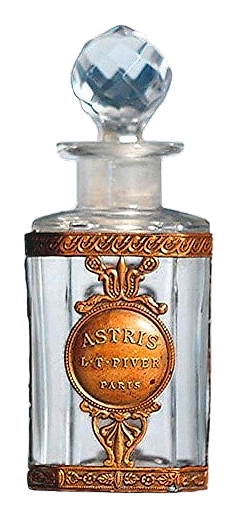
The signature
How George composes
Darzens favored precise, controllable materials and a clean architectural approach. He worked comfortably with synthetic aroma chemicals that were emerging during his active years, appreciating their consistency and the creative latitude they offered. His compositions tended toward clarity and structural balance rather than dense, opulent layering. Preferred ingredients likely included the aldehydes, ionones, and early musks that were reshaping French perfumery at the time, though specific formulas attributed to him remain largely undocumented. His signature was restraint, a chemist's instinct for economy, where every element earned its place in the formula.
Philosophy
What drives George
Darzens believed that beautiful fragrance required structural honesty. He approached scent as a problem of molecular architecture, where balance and stability mattered as much as artistry. For him, a perfume had to hold together across skin and time, not merely please at first spray. He championed close collaboration between the laboratory and the creative studio, insisting that technical fluency freed rather than constrained artistic choice. This pragmatic conviction shaped a generation of chemists who saw perfumery as both craft and applied science, where chemistry served the artist and question.
The houses