Yogurt cake
Yogurt cake is a modern aromatic accord combining lactones that create a creamy, tangy dairy character with sweet bakery warmth. In perfumery, it functions as a lactonic base note that adds depth and a gourmand quality to fragrances, lending a comforting, edible richness.
Character
How it smells
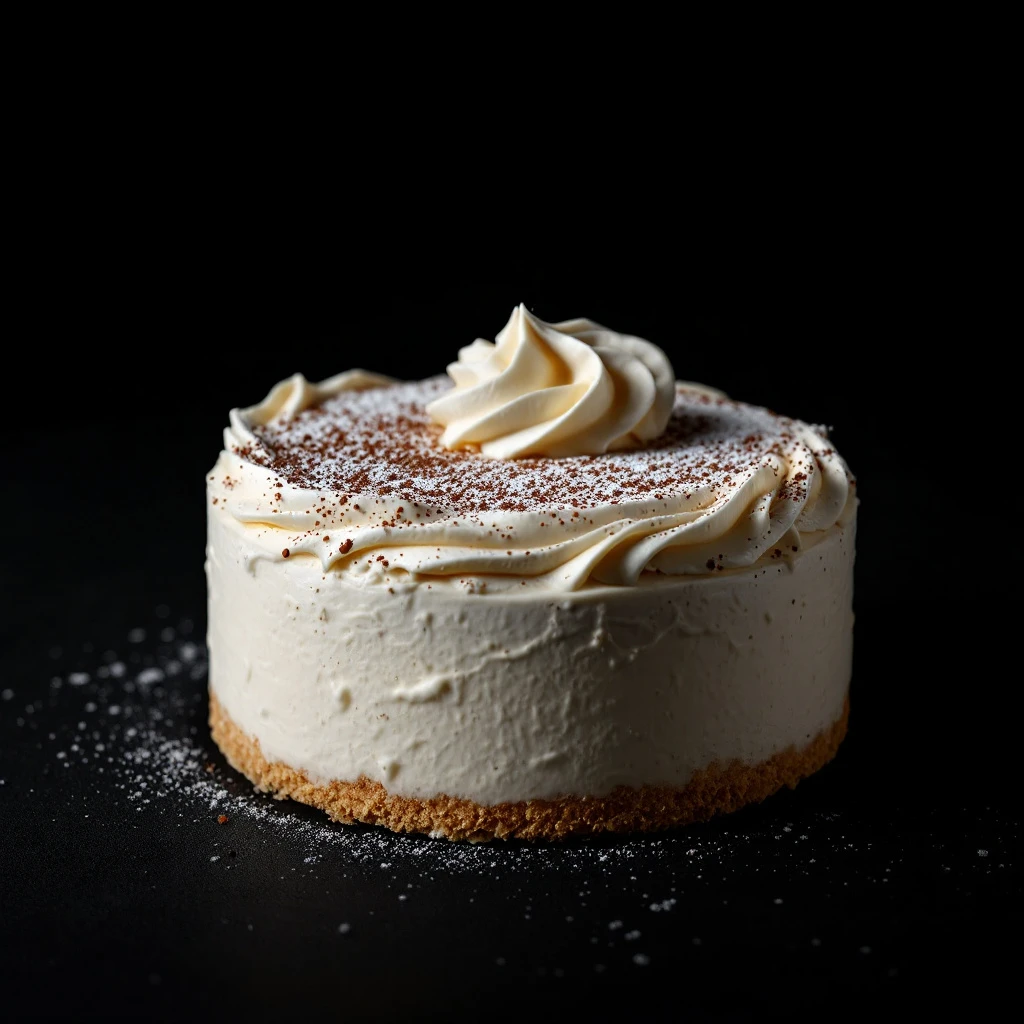
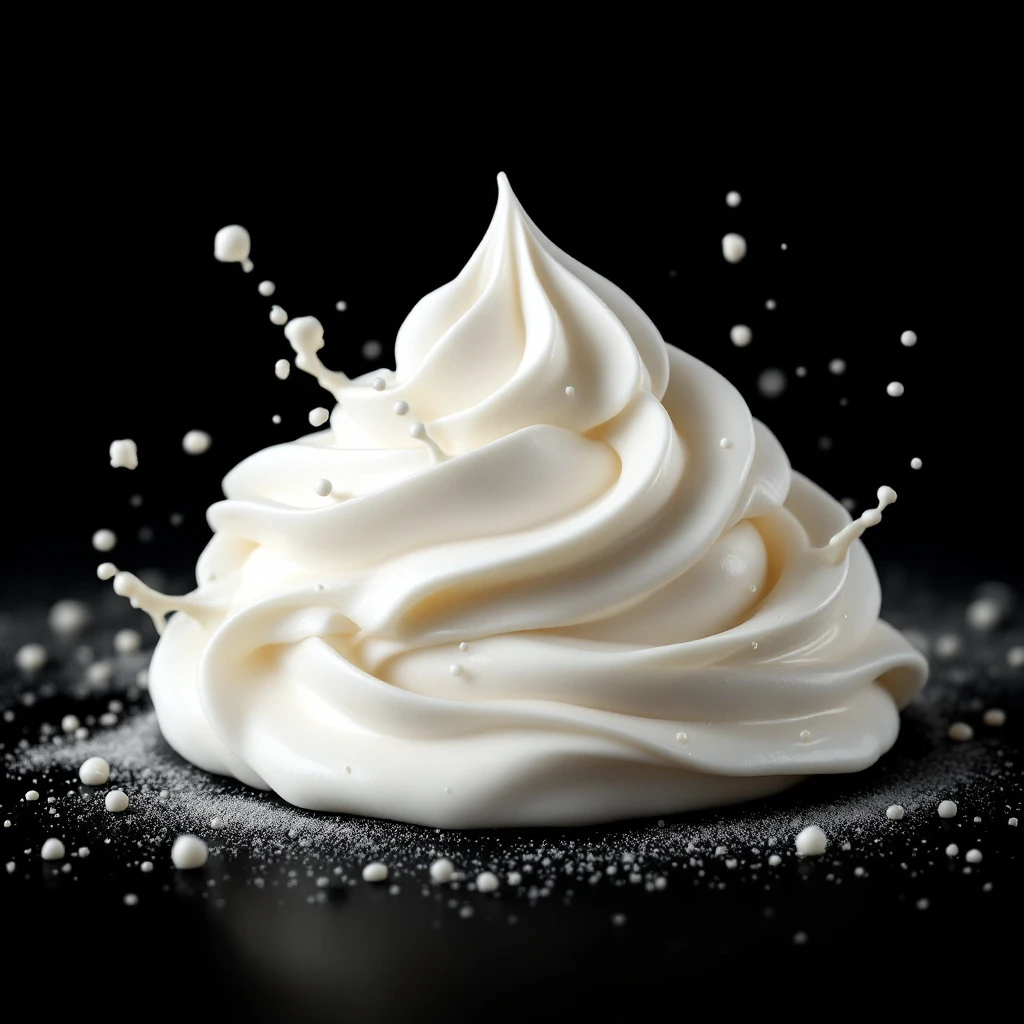
Creamy dairy warmth with the soft sweetness of fresh cake.
Lactones, the compounds that give yogurt cake its signature scent, also occur naturally in ripe peaches, coconut, and strawberries, making the note feel oddly familiar in fragrance.

Origin
Switzerland
The word perfume derives from the Latin per fumum, meaning through smoke, reflecting its earliest use as incense burned in religious rituals. For centuries, perfumers relied entirely on natural materials until organic synthesis transformed the craft. In 1895, chemists created the first lab-made floral scents, jasmine and rose, marking a turning point in aromatic possibility.
Lactones, a class of aromatic esters found in some natural essential oils, became targets for systematic synthesis in the early 20th century. This chemical capability eventually allowed perfumers to combine creamy dairy notes with sweet bakery warmth, giving rise to the yogurt cake accord as a distinct fragrance category.
Wears it best
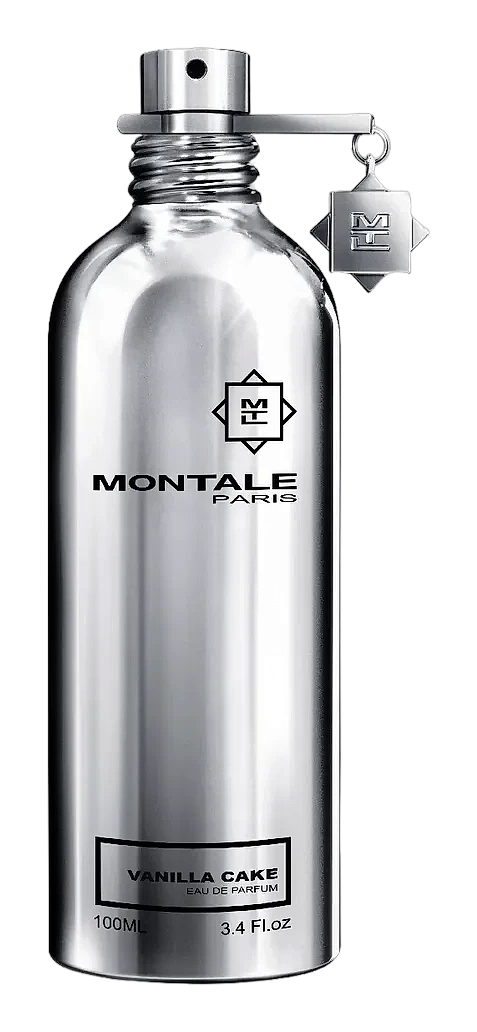
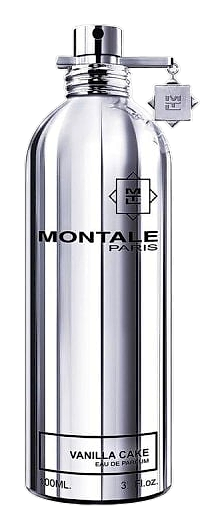
Fragrances featuring Yogurt cake
Brands
Brands known for Yogurt cake
Good to know
Questions, answered
The essentials on Yogurt cake in perfumery: how it smells, where it comes from, and how it behaves on skin.
What does Yogurt cake smell like in perfume?
Yogurt cake smells creamy, tangy, and softly sweet, like fresh dairy with a hint of warm cake. The lactonic compounds create a dairy-like quality that reads as both fresh and gourmand, often with a translucent, almost powdery softness in the dry-down.
Why is Yogurt cake used in perfumery?
Yogurt cake note bridges emotional and sensory territory by evoking comfort and nostalgia. Its creamy dairy quality adds depth and roundness to fragrance compositions, while its sweet warmth makes it an effective base note in gourmand and oriental fragrances.
Is Yogurt cake in perfume natural or synthetic?
Yogurt cake is typically synthetic. No natural plant source produces the exact yogurt-cake aroma profile. Perfumers create the effect using synthesized lactone compounds, primarily gamma-decalactone, which delivers the characteristic creamy, dairy character.
What famous perfumes contain Yogurt cake?
Mugler Angel (1992) popularized edible Gourmand notes using ethyl maltol and lactones creating a yogurt-cake effect. Lancome La Vie Est Belle (2012) incorporates lactonic sweetness in its iris-praline heart. These fragrances helped establish yogurt cake as a recognized modern perfumery note.
Is Yogurt cake a top note, heart note, or base note?
Yogurt cake functions as a base note in most fragrance formulations. Lactone compounds have substantial molecular weight, which makes them linger on the skin. Their creamy presence anchors a fragrance and shapes the dry-down phase over several hours.
What notes pair well with Yogurt cake in perfume?
Yogurt cake pairs naturally with vanilla, caramel, heliotrope, sandalwood, and oriental resins. The creamy dairy note also complements white florals like jasmine and orange blossom, softening their sharpness and adding Gourmand warmth to floral compositions.
How is Yogurt cake extracted?
Yogurt cake is not extracted from a natural source. It is synthesized using aldol condensation, where aldehydes and ketones react under controlled temperature and pressure to form lactone rings. Firms like BASF and Givaudan produce these aromatic chemicals for global fragrance supply.
Is Yogurt cake used in men's or women's fragrances?
Yogurt cake appears most frequently in women's fragrances, where it supports floral and Gourmand compositions. Thierry Mugler Angel (1992) and Lancome La Vie Est Belle are landmark examples. However, the note is increasingly featured in unisex fragrances as the Gourmand category expands across gender lines.