Wild chervil
Wild chervil brings a whisper of anise and myrrh to perfumery, a wild relative of culinary chervil that carries deeper, earthier green notes across the Apiaceae family. This biennial herb grows abundantly across meadows and roadsides of the Caucasus and Europe, offering fragrance chemists an aromatic material with ancient roots and understated elegance.
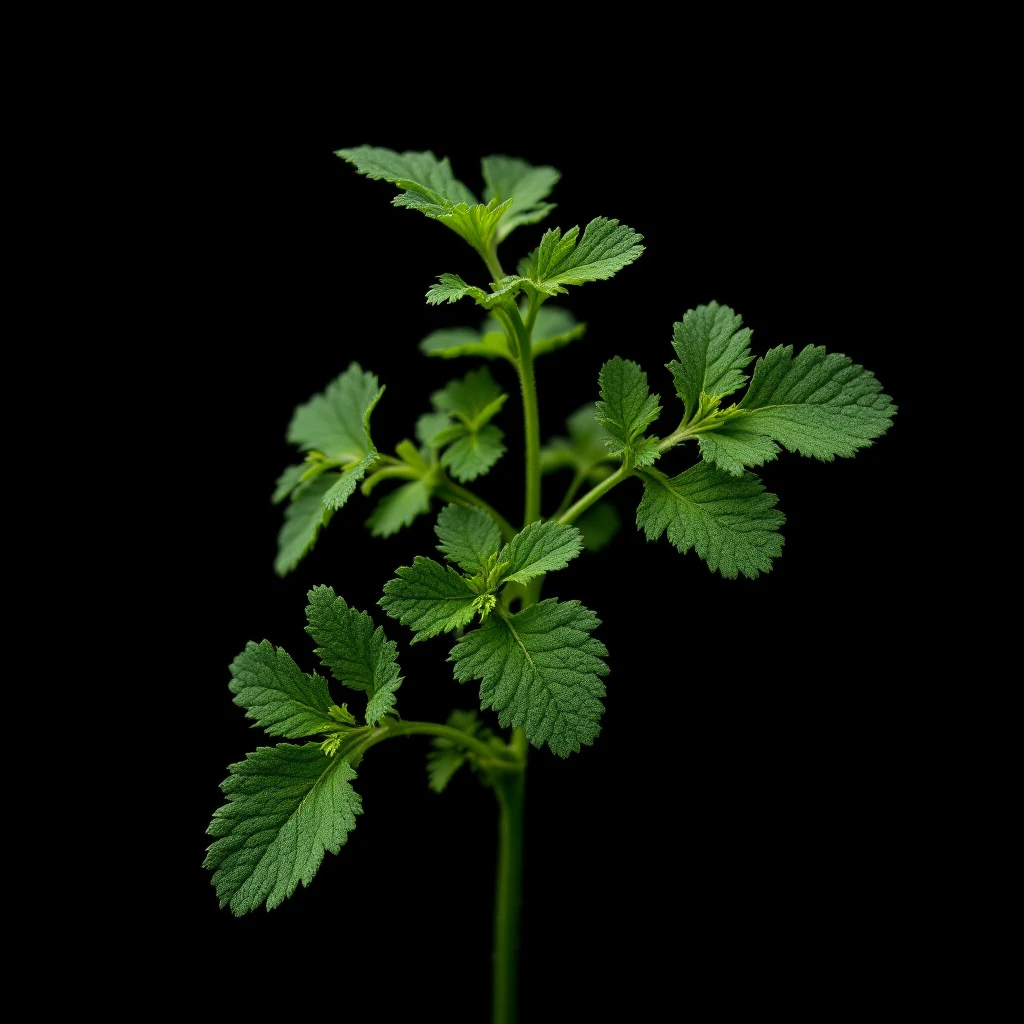
Character
How it smells
Green myrrh: the wild cousin in the carrot family.
Chervil was once called 'myrhis' because its volatile oil smelled enough like myrrh resin to confuse ancient observers.
Pairs beautifully with



Origin
Georgia
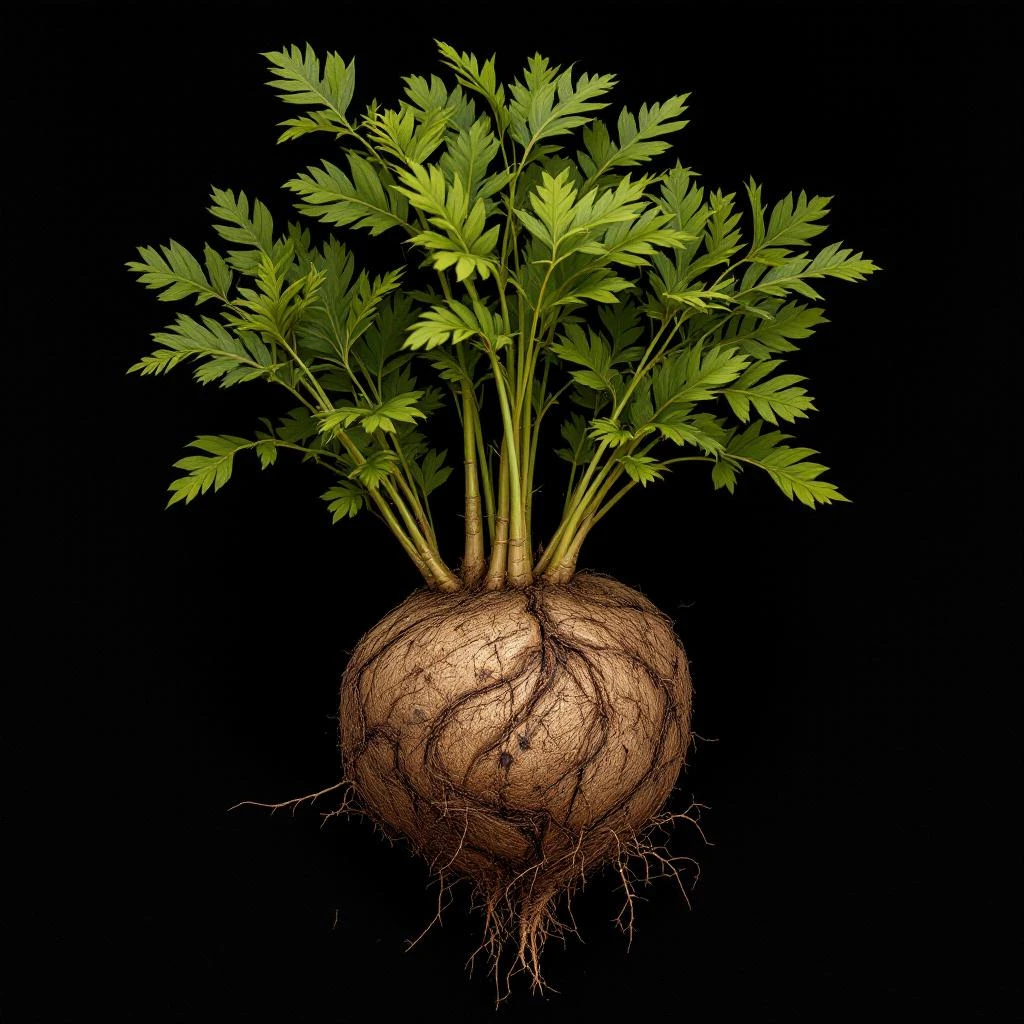
Wild chervil traces its lineage to the Caucasus region straddling modern Georgia and southern Russia, where the plant has grown for millennia in mountain meadows and forest margins. The Ancient Greeks incorporated chervil into spring rituals and medicinal preparations, valuing its perceived similarity to myrrh, the precious resin brought by the Magi. Medieval European herbalists carried forward this association, often pairing chervil with myrrh in remedies for spring ailments, a tradition reflected in the old French name 'cerfeuil' that persists today.
While cultivated chervil (Anthriscus cerefolium) became a staple of French fines herbs, its wilder relative remained largely overlooked by perfumers until recent interest in green, herbal aromatics brought renewed attention to its unique olfactory profile. The plant's remarkable adaptability has made it a successful colonizer worldwide, though this same vigor has raised ecological concerns where it spreads beyond its historic range.
Wears it best
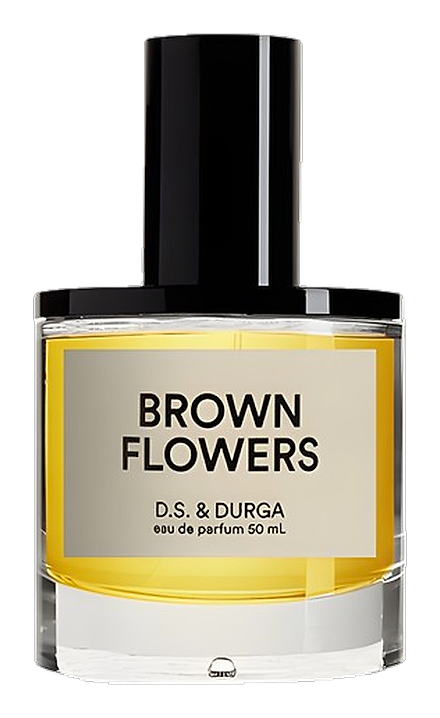
Fragrances featuring Wild chervil
Brands
Brands known for Wild chervil
Good to know
Questions, answered
The essentials on Wild chervil in perfumery: how it smells, where it comes from, and how it behaves on skin.
Is wild chervil the same as the herb used in cooking?
No. Wild chervil (Anthriscus sylvestris) is a different species from culinary chervil (Anthriscus cerefolium). Wild chervil grows taller (up to 3 feet) and has a more intense, earthy aroma compared to the delicate anise notes of cultivated chervil.
What does wild chervil smell like?
Wild chervil has a green, herbaceous aroma with distinct anisic and myrrh-like qualities. The scent combines fresh grassy top notes with a warm, slightly balsamic drydown, offering more complexity than its cultivated relative.
Why was chervil historically linked to myrrh?
Ancient observers noted that chervil's volatile oil contained compounds with a myrrh-like quality. The plant was formally named 'myrhis' in classical texts, an association that persisted through medieval herbalism and contributed to its symbolic use in spring cleansing rituals.
Is wild chervil used in perfumery?
Wild chervil is rarely used as a named ingredient in mainstream perfumery. However, its green, myrrh-adjacent aroma profile influences herbal and aromatic fragrance families, and the plant's essential oil has gained attention among natural perfumers exploring unconventional botanicals.
Where does wild chervil grow natively?
Wild chervil originates from the Caucasus region, spanning parts of modern Georgia, Armenia, Azerbaijan, and southern Russia. From this center of origin, the plant has spread throughout Europe and into North America, where it now grows as an introduced species.
What family is wild chervil botanically related to?
Wild chervil belongs to the Apiaceae family, making it a relative of carrots, parsley, dill, and the ornamental Queen Anne's lace. This family connection explains its characteristic umbrella-shaped flower clusters and aromatic volatile compounds.
How is wild chervil harvested for essential oil?
Wild chervil for essential oil is harvested during peak flowering, typically in late spring to early summer. Distillers target the flowering aerial parts where volatile oil concentration is highest. The biennial nature of the plant means harvesting occurs just before the second-year bloom cycle.
Are there sustainability concerns with wild chervil?
While not globally threatened, wild chervil has become invasive in parts of North America. Ethical suppliers increasingly source from controlled wildcrafting in its native Caucasus range, ensuring the plant is harvested sustainably without disrupting established meadow ecosystems.