Akebia
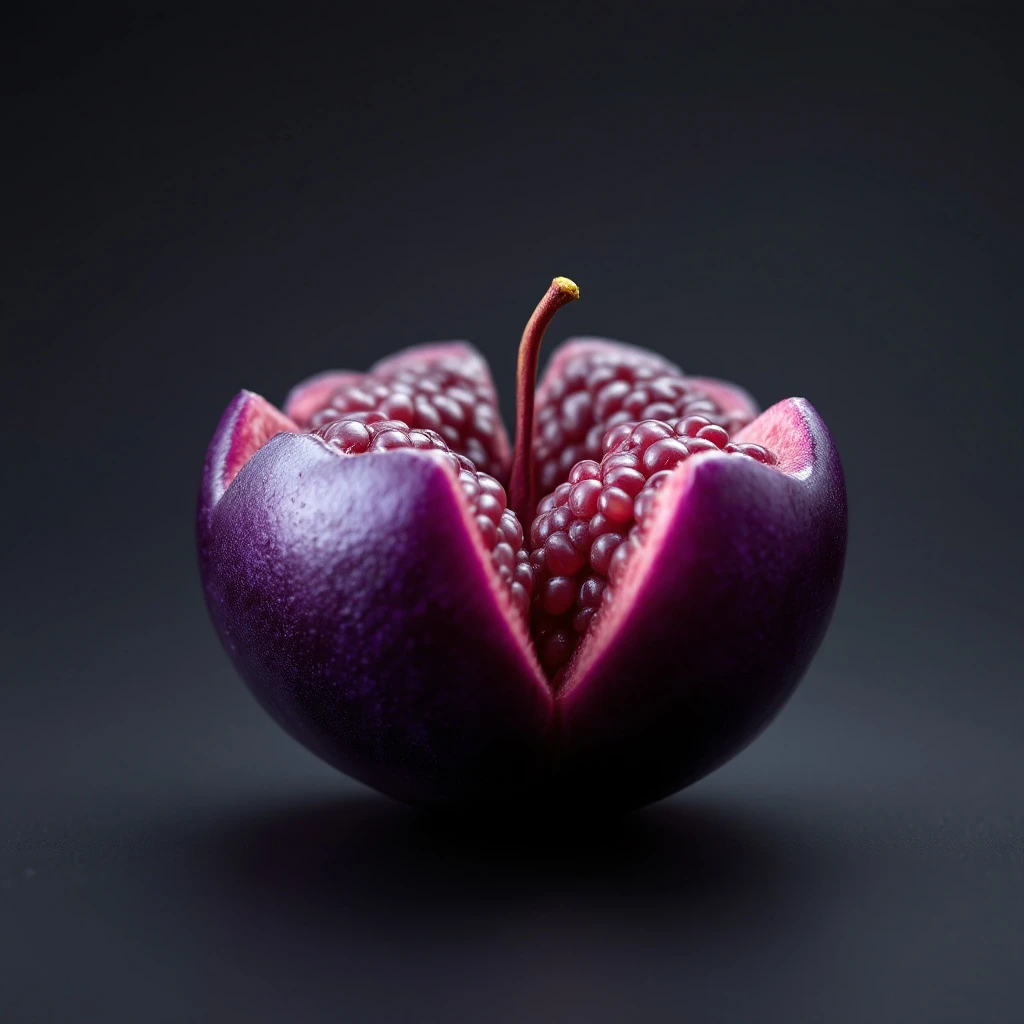
Akebia quinata yields a subtle fruit with floral undertones once used in East Asian traditions. Modern perfumery barely knows this vine, making it one of the rarest botanical materials in contemporary fragrance.
Character
How it smells
The chocolate vine that fragrance barely remembers.
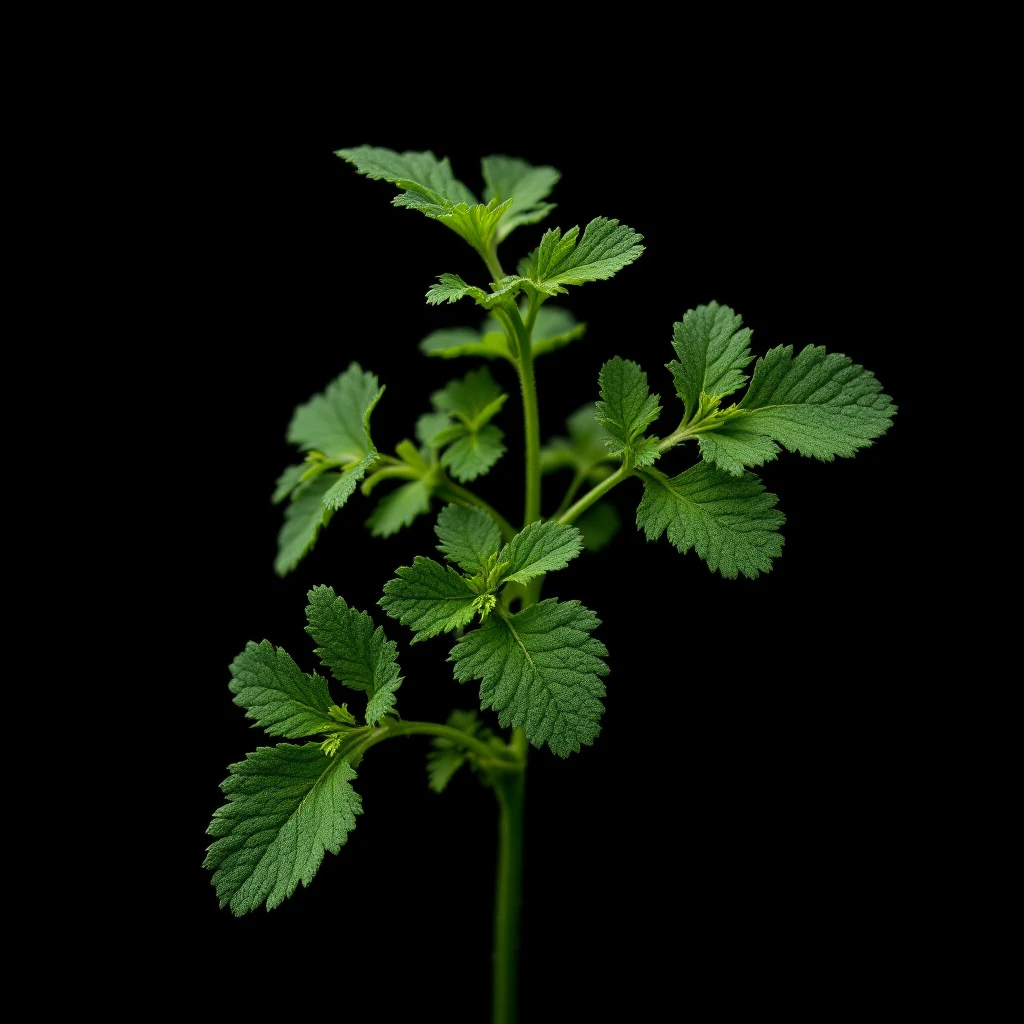
The five-lobed leaves give Akebia quinata its species name, a rarity among flowering climbers.


Origin
Japan
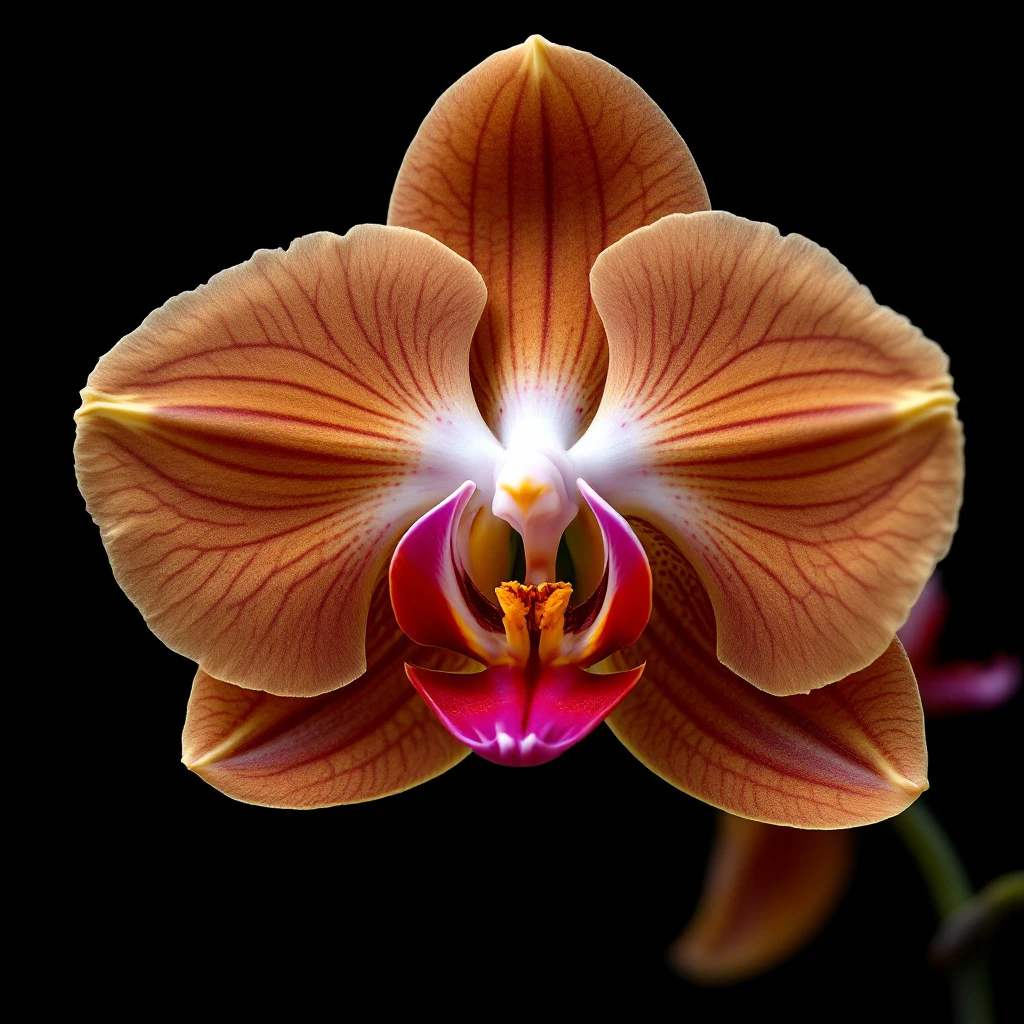
Japanese and Chinese herbalists valued Akebia quinata for centuries, using it in remedies for urinary complaints and inflammation. The vine earned the name chocolate vine from its deep burgundy flowers and the subtle cocoa-like sweetness detected in fully ripe fruit. Japanese gardens cultivated it along trellises and walls, appreciating the ornamental foliage and the striking contrast between flower and leaf.
Traditional texts mention using the stems in broths and tonics, reflecting a broader pattern of food-medicine integration common in East Asian botanical practice. Western perfumery encountered Akebia only in recent decades, and even now it remains a curiosity rather than a standard ingredient. The plant exists at the edge of perfumery knowledge, known to only a handful of practitioners who seek unusual botanical materials.
This obscurity protects Akebia from overexploitation and keeps it available for houses willing to experiment with lesser-known botanicals. The vine continues growing wild across Honshu and Hokkaido, China, and Korea, largely unnoticed by the global fragrance industry.
Wears it best
Fragrances featuring Akebia
Brands
Brands known for Akebia
Good to know
Questions, answered
The essentials on Akebia in perfumery: how it smells, where it comes from, and how it behaves on skin.
What does Akebia smell like?
Akebia carries green-floral tones with subtle sweetness. The fruit smells faintly like a cross between cucumber and honeysuckle, with quiet musky undertones. Most people detect very little intensity, which is why it works best as a supporting note in blends.
Is Akebia natural or synthetic?
Akebia used in perfumery is natural, sourced from the fruit of Akebia quinata. However, the ingredient appears rarely, and some houses may use synthetic analogues to recreate the effect. Natural Akebia remains difficult to source commercially.
Where does Akebia grow?
Akebia quinata grows across Japan, China, and Korea. It prefers forested slopes and riverbanks, climbing over other vegetation. Wild populations still exist throughout Honshu and Hokkaido, though harvesting for perfumery remains uncommon.
Which fragrances feature Akebia?
Most major perfume houses do not list Akebia as a featured note. A small number of niche fragrances use it, typically positioned as botanical or green chypre constructions. The ingredient shows up more often in Japanese market releases than in Western portfolios.
What part of Akebia is used in perfumery?
Perfumers use the fruit, which ripens to a soft, edible pod in late summer. The fleshy interior contains the aromatic compounds. Leaves and stems have not shown commercial value for fragrance applications.
How does Akebia relate to chocolate vine?
Chocolate vine is the common English name for Akebia quinata. The name references the deep burgundy flower color and a subtle cocoa-like note detected in fully ripe fruit. The vine produces ornamental flowers that bloom in spring before the fruit develops.
Has Akebia been used historically in perfumery?
Akebia does not appear in classical perfumery texts from the 19th or 20th centuries. Its use in fragrance is a modern development tied to the post-2000 interest in uncommon botanicals. Traditional applications focused on food and medicine, not fragrance.
Why is Akebia so rare in perfume?
Akebia remains rare because no industrial-scale cultivation exists for fragrance. Wild harvesting produces inconsistent yields, and the delicate aroma compounds may not survive aggressive extraction. Houses that use it typically seek small quantities from specialized suppliers in East Asia.