Brown orchid
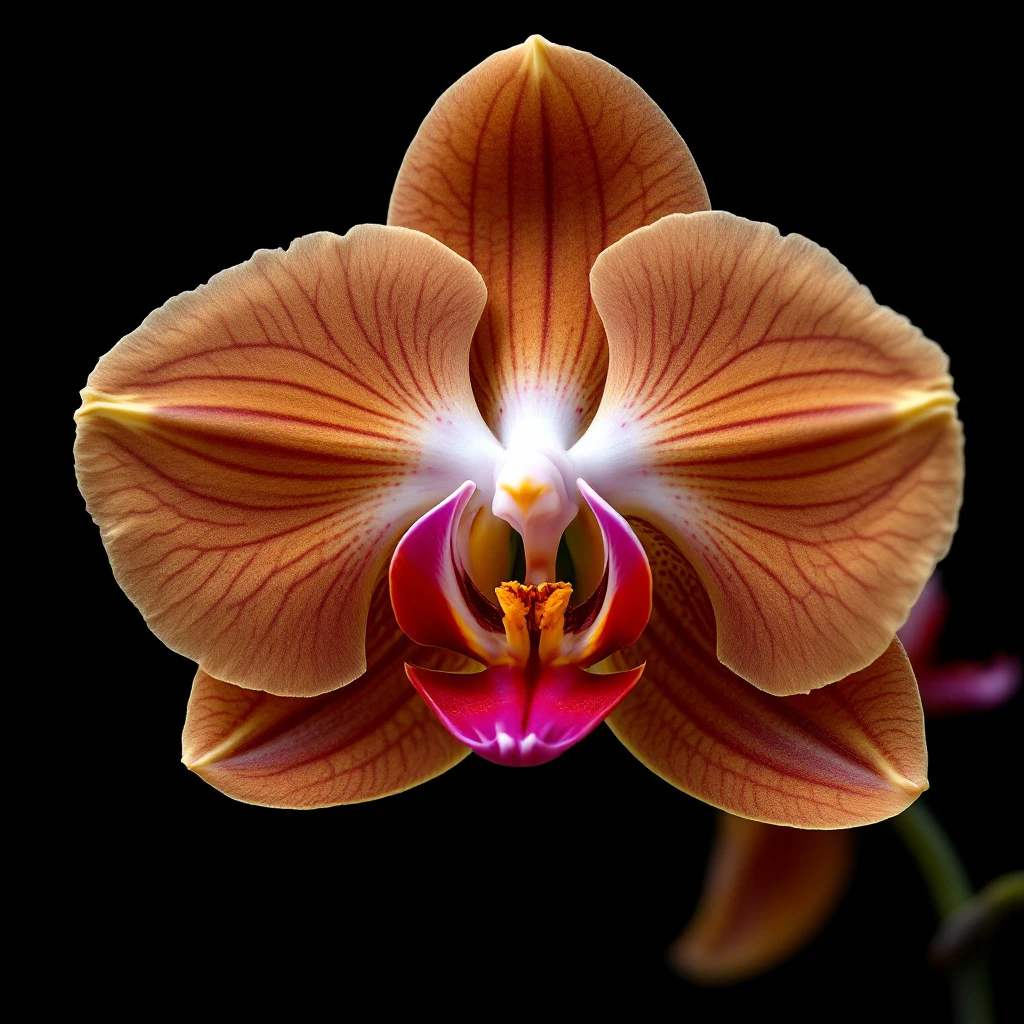
The secret identity of one of the world's most beloved fragrances: Vanilla is an orchid. Its cured brown seed pods contain the compound vanillin, creating the warm, sweet notes found in countless perfumes.
Character
How it smells
The orchid behind vanilla's warm embrace.
Vanilla planifolia is the only edible fruit-bearing orchid species among approximately 28,000 known orchids.
Pairs beautifully with


Origin
Mexico
The Totonac people of eastern Mexico first cultivated vanilla around 1100 CE. They attributed mystical origins to the vine and used its pods in sacred rituals. When the Aztecs conquered the Totonacs, they adopted vanilla as a flavoring for their cacao drinks, which the Spanish found upon conquest in 1519.
Vanilla arrived in Europe as a luxury import, but European attempts to cultivate the plant failed for 300 years. Without the native Melipona bee to pollinate the flowers, vines outside Mexico produced no fruit. Hand pollination was finally mastered in 1836 by Edmond Albius on Réunion Island, sparking a cultivation boom.
Madagascar and Indonesia now dominate global production, though true vanilla remains one of the most labor-intensive agricultural products. Each flower must be pollinated individually, and pods require six to nine months of curing. This rarity explains why natural vanilla commands premium prices in perfumery, where it adds warmth and depth that synthetic vanillin cannot fully replicate.
Wears it best
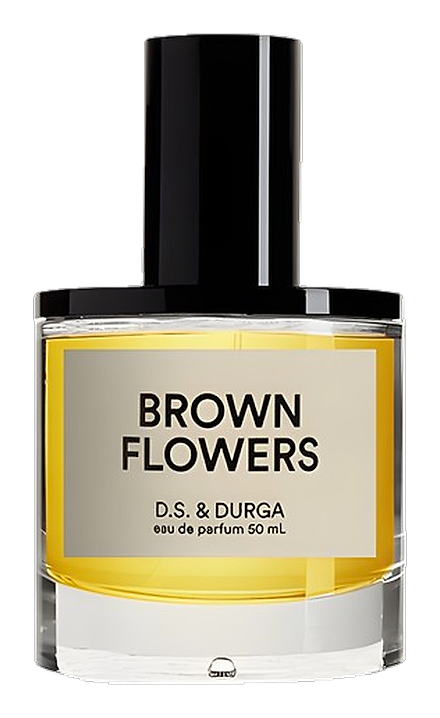
Fragrances featuring Brown orchid
Brands
Brands known for Brown orchid
Good to know
Questions, answered
The essentials on Brown orchid in perfumery: how it smells, where it comes from, and how it behaves on skin.
What does brown orchid mean in perfumery?
Brown orchid refers to vanilla derived from Vanilla planifolia orchids. The term describes the cured brown seed pods used to produce vanilla extract and aromatic materials for fragrances.
Is vanilla actually an orchid?
Yes. Vanilla comes exclusively from orchids. Vanilla planifolia produces the highest-quality vanilla and is the only commercially significant edible fruit-bearing orchid species worldwide.
What gives vanilla its characteristic scent?
Vanillin, an organic compound that develops during the curing process, creates vanilla's signature sweet, warm aroma. Cured pods contain 2-3% vanillin by weight.
Why is natural vanilla so expensive?
Hand pollination of each flower and six to nine months of curing per harvest makes vanilla extremely labor-intensive. Each pod requires individual attention from cultivation through processing.
Can synthetic vanilla replace natural vanilla in perfumery?
Synthetic vanillin exists and costs less, but natural vanilla extract contains over 250 aromatic compounds. These trace elements create a richer, more complex fragrance that synthetic versions cannot fully replicate.
Where does vanilla orchid grow?
While native to Mexico, Madagascar now produces approximately 80% of the world's vanilla. Indonesia, Uganda, and Tahiti also cultivate vanilla, each region producing distinct aromatic characteristics.
How long does vanilla take to produce?
From planting to finished product takes approximately 18 months. Flowers bloom for just one day and must be pollinated within hours. Pod curing then requires six to nine additional months.
What fragrance families use brown orchid notes?
Vanilla appears across oriental, gourmand, and amber families. It provides warmth, sweetness, and base note stability that helps fragrances last longer on skin.