Character
The Story of Vinylguaiacol
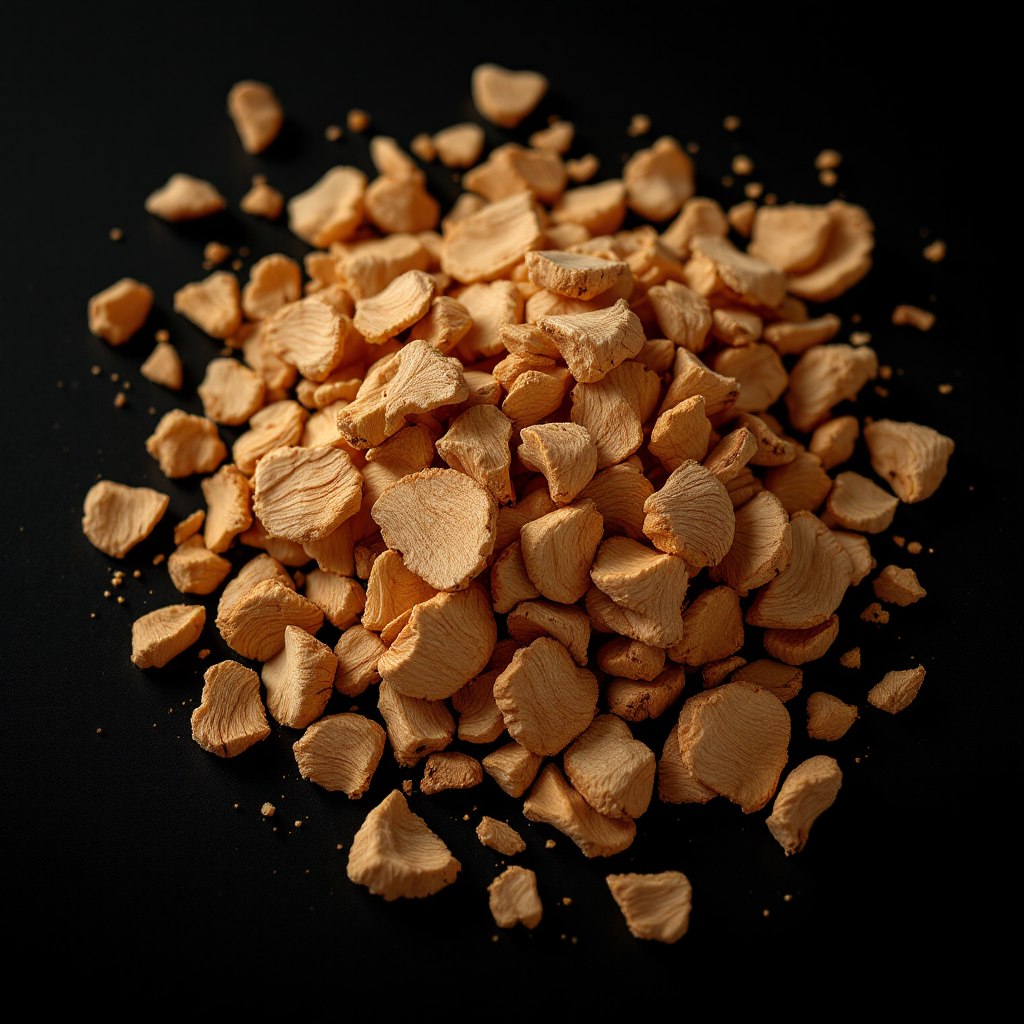
Vinylguaiacol carries a rare duality: a sharp, smoky phenolic bite meeting soft fermented warmth, drawn not from petals or bark but from the invisible chemistry of grain in motion.
Heritage
Vinylguaiacol entered scientific literature through studies of fermented beverages, where it was identified as a key contributor to the clove-like aroma in certain beer styles, particularly those produced by Brettanomyces yeast. Scientists first characterized its formation in the 1970s as fermentation science advanced beyond simple alcohol production to map the full volatile landscape of grain-based products. Perfumery adopted the compound as analytical techniques made its structure and odor profile precisely describable. The phenolic class to which vinylguaiacol belongs has roots in guaiac resin and smoke-derived aromatics used since antiquity, but its specific identity as a discrete molecular entity dates to 20th-century organic chemistry. Today it serves as a bridging note between natural fermentation extracts and constructed fragrance architectures, valued for its ability to add depth and a faintly industrial edge to woody, oriental, and atmospheric compositions.
At a Glance
2
Feature this note
Woody Notes
Olfactive group
United States
Primary source region
Ingredient Details
Fermentation capture
Fermentation volatiles (grain-derived)
Did You Know
"The same compound responsible for clove notes in beer is also a precision tool in high-end perfumery."