Transparent Flowers
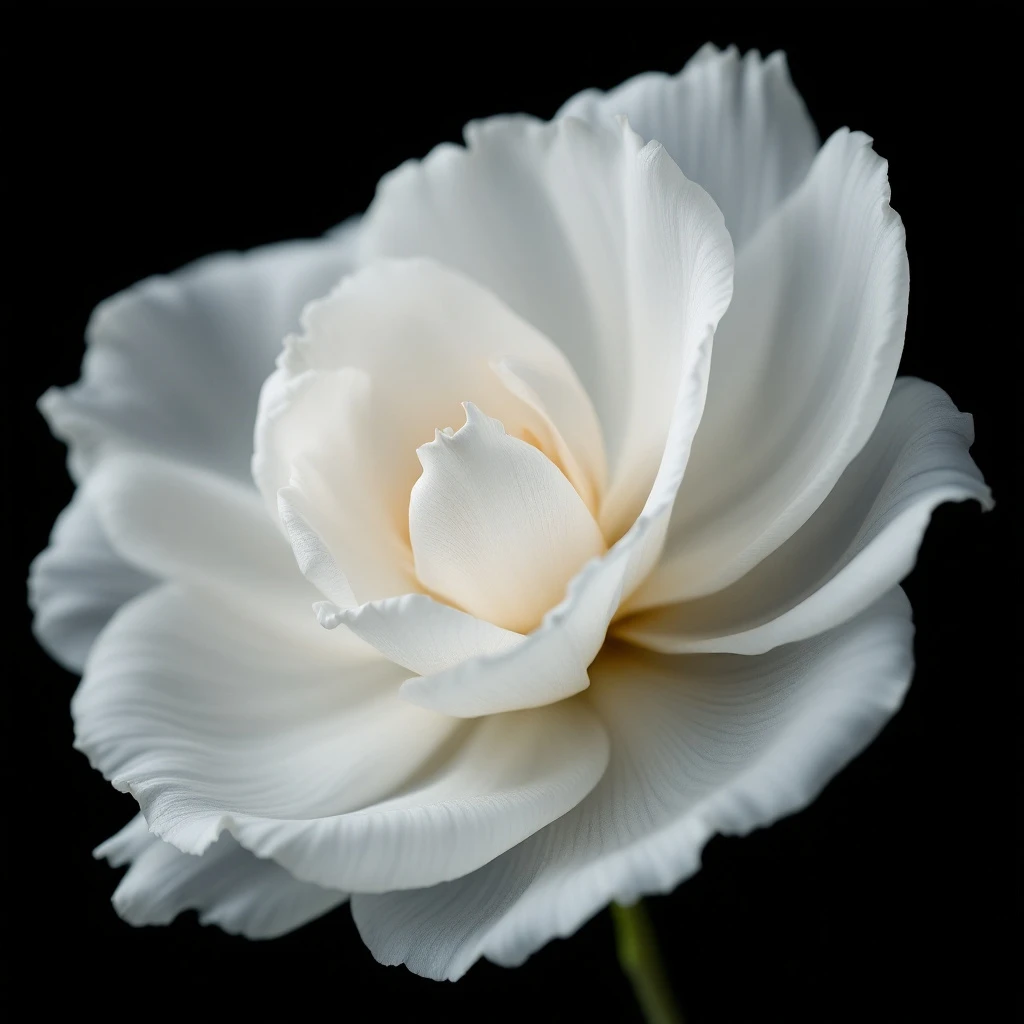
Transparent flowers are delicate, almost weightless floral notes designed to scent compositions without dominating them. They lend an airy, skin-like freshness that reads as second skin rather than perfume.
Character
How it smells
Flowers you barely notice, until they are gone
The concept emerged in the 1990s as perfumers sought to mimic the scent of clean skin or fresh laundry rather than identifiable blooms.


Origin
France
The transparent floral concept crystallized in the late 20th century as perfumers grew interested in olfactory effects rather than literal botanical reproductions. In 1966, Edmond Roudnitska's Eau Sauvage introduced hedione, a jasmine-derived molecule with a radiant, almost transparent quality that fundamentally shifted perfumery's direction.
By the 1990s and early 2000s, houses like Calvin Klein, Issey Miyake, and Davidoff had built entire identities around translucent floral structures, using water fruits, white musks, and sheer florals to evoke cleanliness and modernity. The trend reflected a cultural shift away from the dense, animalic florals of earlier decades toward scents that suggested air, fabric, and skin.
Traditional enfleurage and steam distillation, methods stretching back to ancient Mesopotamia and refined in 19th-century Grasse, gave way to synthetic molecules that could achieve what nature could not: a flower that smells of nothing except light. Transparent flowers now anchor everything from fine fragrance to functional products, making them one of the most quietly influential developments in modern scent design.
Wears it best
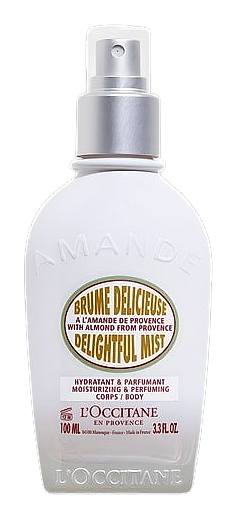
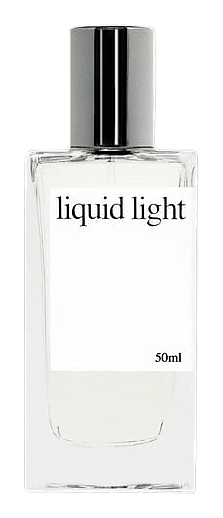
Fragrances featuring Transparent Flowers
Brands
Brands known for Transparent Flowers
Good to know
Questions, answered
The essentials on Transparent Flowers in perfumery: how it smells, where it comes from, and how it behaves on skin.
What are transparent flowers in perfumery?
Transparent flowers are a constructed olfactive family built from synthetic molecules rather than distilled from actual blooms. They produce a luminous, skin-like floral impression that scents a composition without dominating it.
Are transparent flowers natural or synthetic?
Almost entirely synthetic. Perfumers combine aroma chemicals like hedione and floral aldehydes in precise ratios to achieve the weightless, airy quality that defines the category.
When did transparent flowers become popular in perfumery?
The concept gained traction in the 1990s with fragrances like CK One and L'Eau d'Issey, which championed translucent, skin-close scents over the heavier florals of previous decades.
Which molecules create the transparent flower effect?
Hedione, a jasmine-derived molecule introduced in 1966, is foundational. Combined with cis-3-hexenol, lilial alternatives, and white floral aldehydes, it produces the radiant, see-through quality perfumers associate with the family.
Why are transparent flowers used in functional perfumery?
Their synthetic stability makes them ideal for soap, shampoo, and fabric care products where natural extracts would degrade or discolor the formula, allowing a consistent floral impression across applications.
Do transparent flowers smell like a specific flower?
Not usually. They evoke the idea of a flower, often jasmine, lily of the valley, or white rose, without reproducing any single botanical species exactly.
Which famous perfumes feature transparent floral accords?
Eau Sauvage (1966) pioneered the approach with hedione. Later landmarks include CK One, L'Eau d'Issey, and Cool Water, all built on sheer, luminous floral structures.
How do transparent flowers differ from white flowers?
White flowers like tuberose and gardenia have dense, creamy, sometimes indolic profiles. Transparent flowers strip away that density, offering a clean, radiant floral trace rather than a full-bodied bloom.





