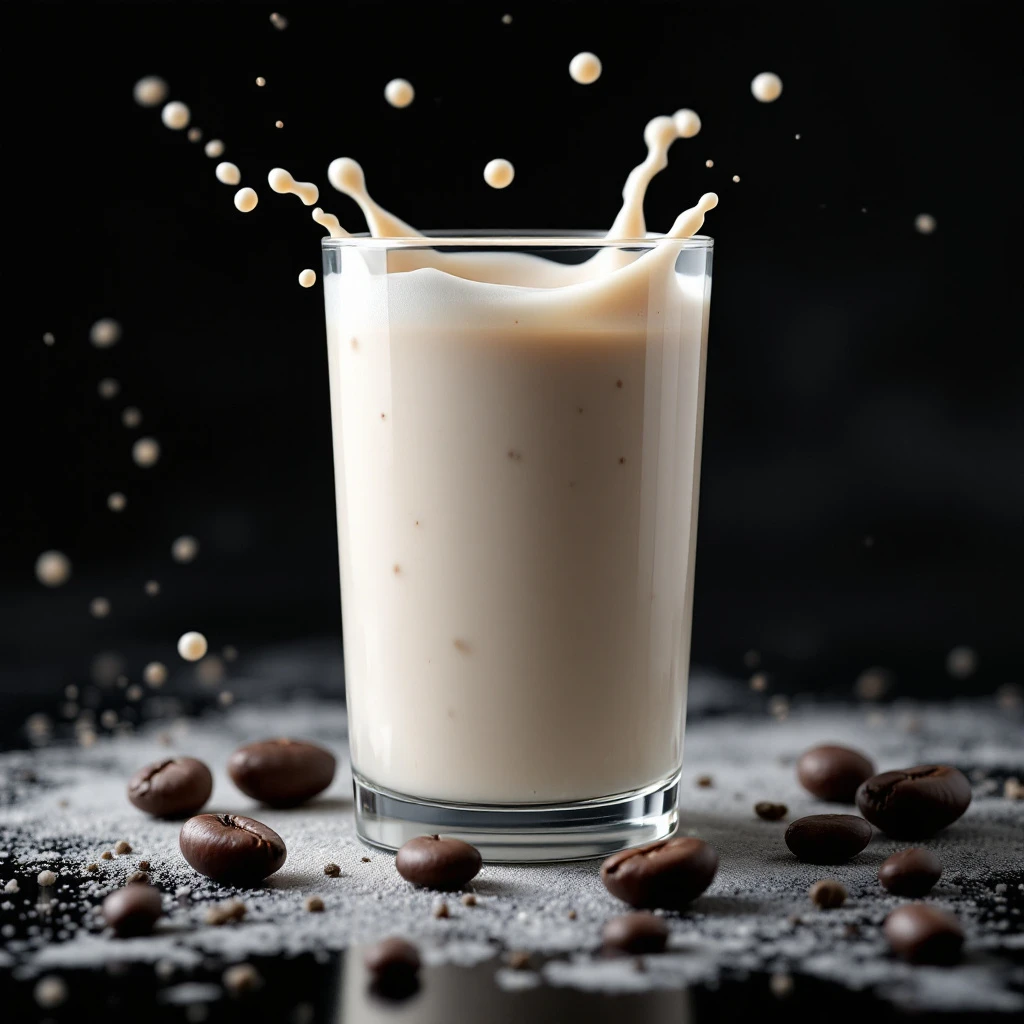
Tonka Bean Milk
The seed that perfumes your wardrobe and your skin. Tonka bean delivers that addictive comfort note found in over 30% of modern fragrances. This Amazonian treasure wraps skin in warm, sweet embrace.
Character
How it smells
The secret warmth behind your favorite scents.
Tonka bean is actually banned as food in the United States due to its coumarin content, yet it appears in most perfumes on your shelf.



Origin
Venezuela
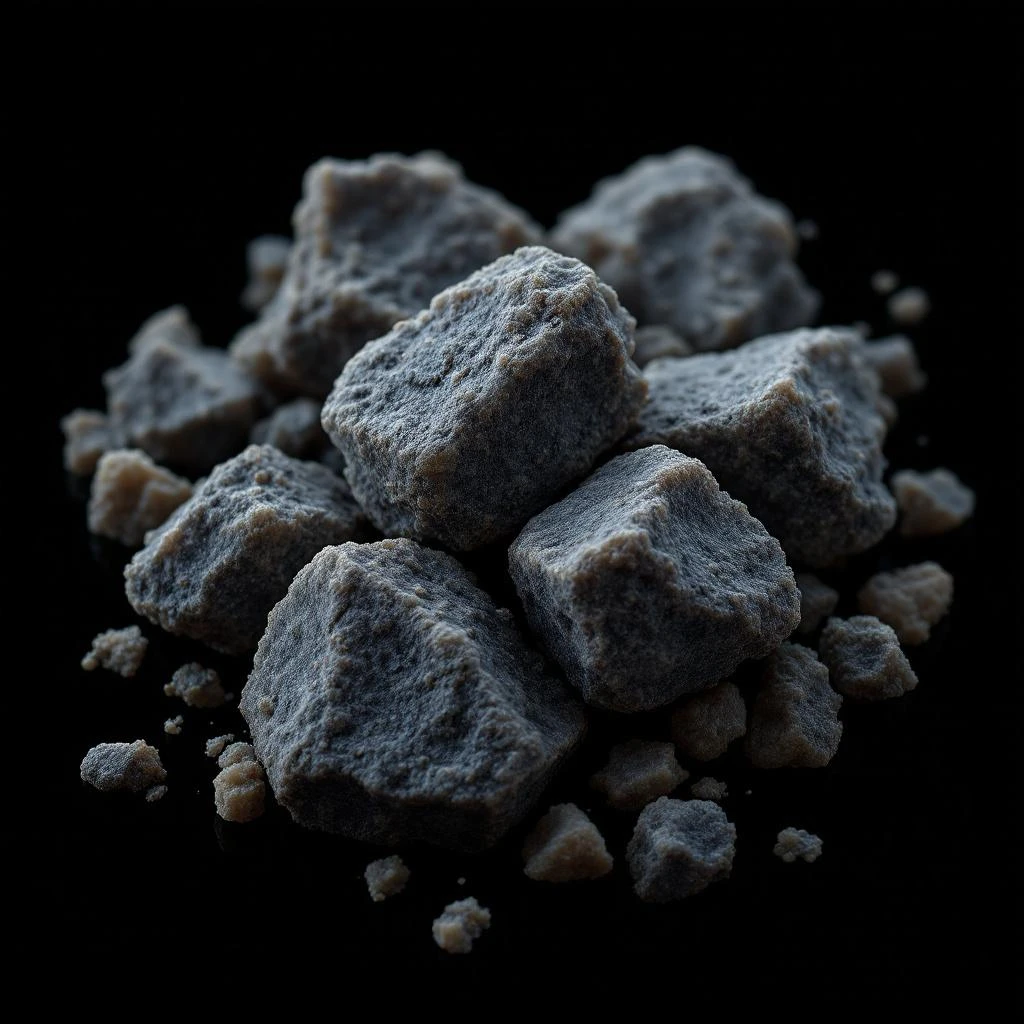
Indigenous peoples of the Amazon rainforest first discovered the Coumarou tree's aromatic seeds centuries ago. One of the earliest documented uses was surprisingly domestic: crushed tonka beans were powdered and sold in small bags to perfume cupboards and linen throughout Europe after trade routes opened. The seed's warm, sweet scent made it popular before modern perfumery even existed.
Today, tonka cultivation supports approximately 15,000 people in South American communities, particularly in Venezuela, Guyana, and Brazil. Despite regulatory restrictions on its food use due to coumarin content, perfumers worldwide continue to prize tonka bean as one of the most versatile and beloved ingredients in their palettes.
Wears it best
Fragrances featuring Tonka Bean Milk
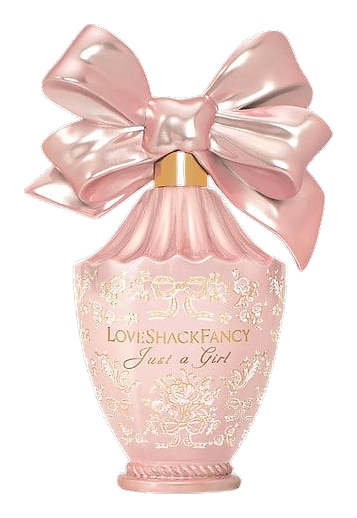

Brands
Brands known for Tonka Bean Milk
Good to know
Questions, answered
The essentials on Tonka Bean Milk in perfumery: how it smells, where it comes from, and how it behaves on skin.
What does tonka bean smell like?
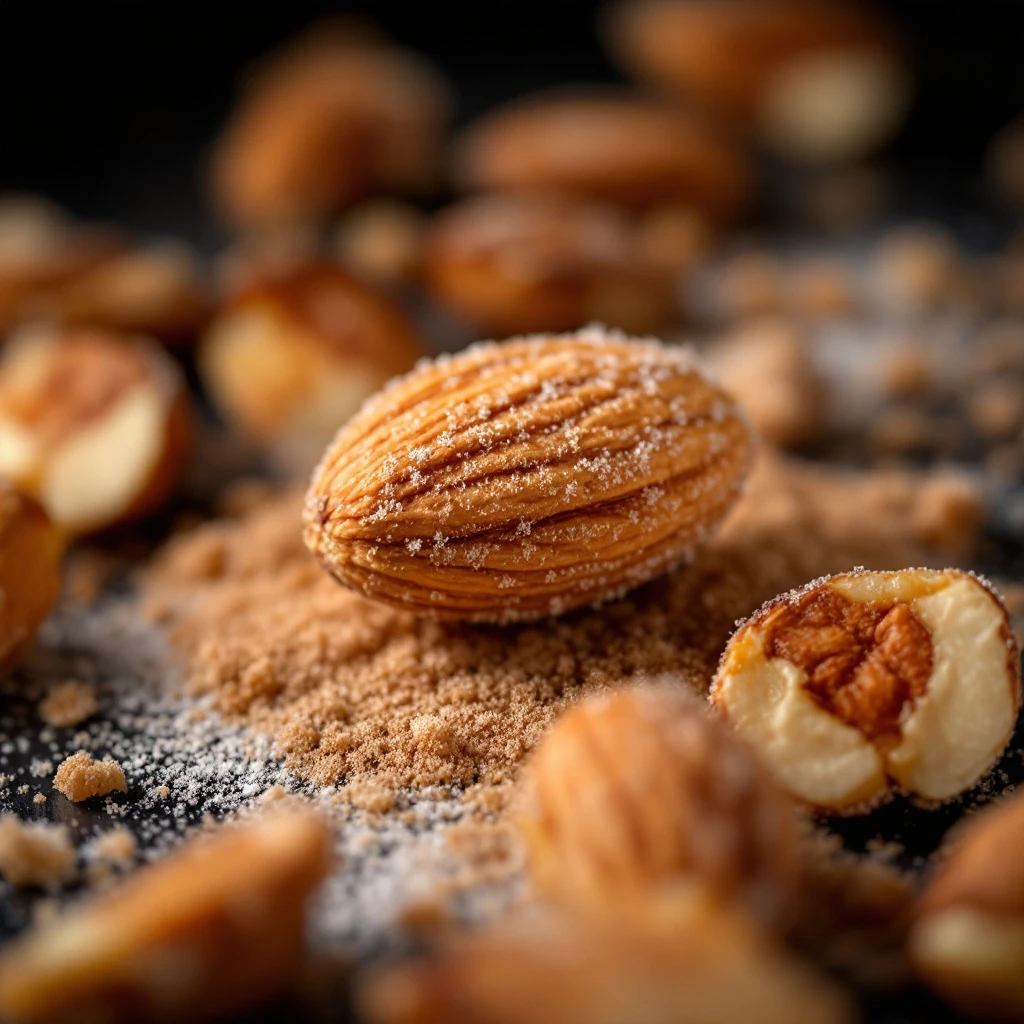
Tonka bean smells warm, sweet, and creamy with distinct almond and vanilla facets. It also carries subtle tobacco and spice notes that add depth and roundness to fragrance compositions.
Why is tonka bean used so often in perfumery?
Tonka bean appears in roughly 30% of all fragrances because of its exceptional versatility. It acts as a natural fixative while adding warmth, sweetness, and a comforting quality that blends well with most other fragrance materials.
Is tonka bean safe to use in skincare?
When used in cosmetic formulations by professional perfumers, tonka bean absolute meets strict regulatory safety standards. The coumarin content is carefully monitored and falls within approved concentration limits for leave-on products.
Where does tonka bean come from?
Tonka beans grow on the Dipteryx odorata tree, native to the Amazon rainforest. Venezuela, Brazil, and Guyana are the primary source countries, where local communities harvest the seeds from wild or cultivated trees.
What is the difference between tonka bean absolute and tonka bean CO₂ extract?
CO₂ supercritical extraction captures a broader aromatic spectrum than traditional solvent extraction. The result is a more complete representation of the bean's natural scent profile with greater naturality and nuanced warmth.
Can I smell tonka bean on its own?
Pure tonka bean absolute is rarely sold to consumers, but many fragrance enthusiasts encounter it through indie perfume oils or specialty ingredient shops. Its scent is immediately recognizable once you know it.
Does tonka bean smell like vanilla?
Tonka bean shares vanilla's warm sweetness but adds almond, tobacco, and spiced facets that vanilla lacks. The two work beautifully together, with tonka adding complexity that pure vanillin cannot achieve.
What fragrance families use tonka bean most?
Tonka bean is a cornerstone of oriental, gourmand, and fougère fragrances. It appears frequently in men's fragrances for its tobacco-like warmth and in women's perfumes for its sweet, comforting creaminess.