

Character
The Story of Tonka
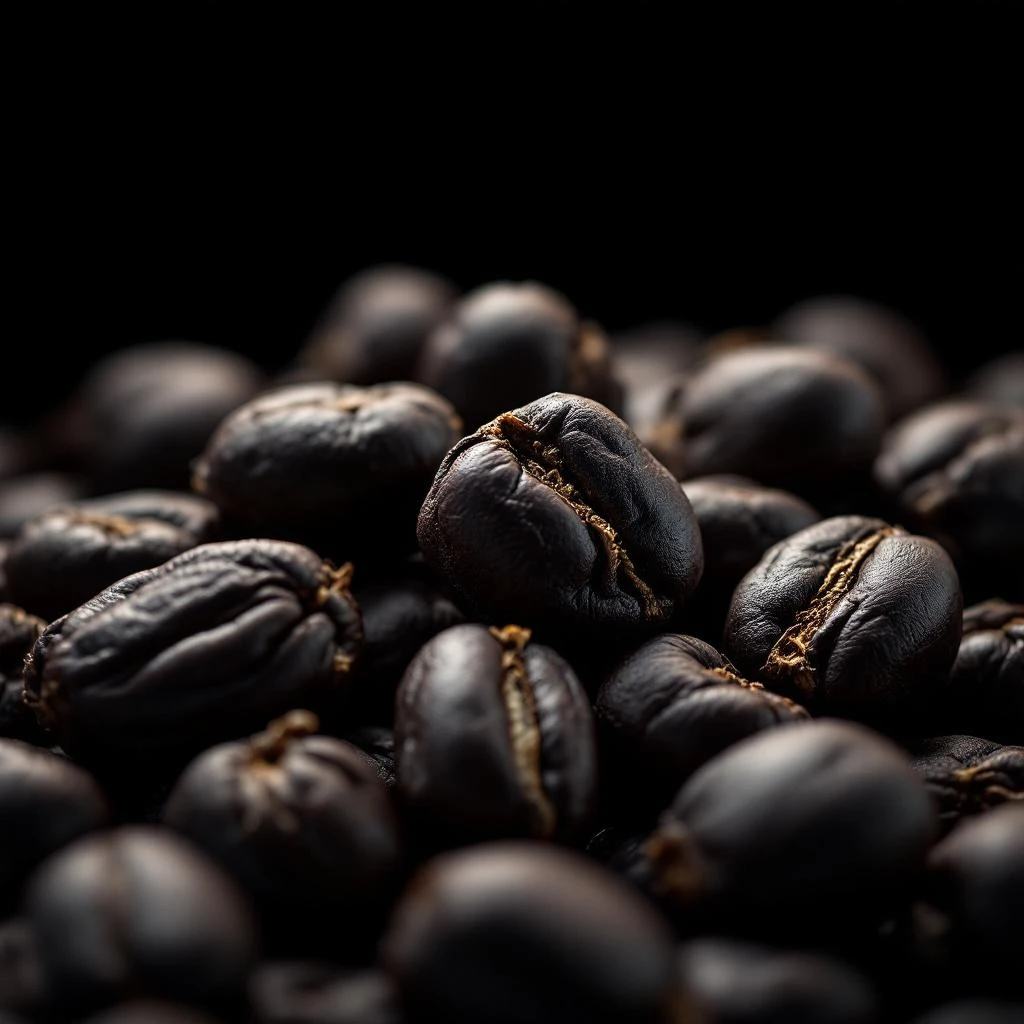
Tonka bean delivers a warm, sweet signature that sits at the crossroads of vanilla, almond, and freshly cut hay. Its complex aroma comes from high concentrations of coumarin, lending a creamy, slightly spicy character that anchors compositions with remarkable staying power. The beans undergo a lengthy curing process involving rum maceration and sun drying, during which white coumarin crystals bloom on their wrinkled black surface like frost.
Heritage
The story of tonka bean is inseparable from the history of coumarin, the compound that gives it both its mesmerizing scent and its controversial regulatory status. In 1820, German chemist August Vogel first isolated coumarin from tonka beans, though he initially mistook it for benzoic acid. That same year, French pharmacist Nicholas Jean Baptiste Gaston Guibourt corrected the error and named the new compound "coumarin," derived from the French word for tonka beans, "coumarou."\n\nThe true revolution came in 1868, when English chemist William Henry Perkin synthesized coumarin from coal tar derivatives. This marked the first time a natural fragrance compound had been created artificially, opening the door to modern perfumery. In 1882, Paul Parquet, perfumer for the house of Houbigant, used synthetic coumarin to create Fougère Royale. Seven years later, Aimé Guerlain employed the same molecule in Jicky, launching the fougère family and establishing a template that would dominate masculine perfumery for over a century.\n\nTonka beans themselves were used historically to perfume snuff tobacco and linen closets, and they were traded as a valuable commodity from the Amazon basin to European markets. Indigenous communities in Venezuela and Brazil had long used them medicinally, with traditional knowledge holding that consuming more than three fruits daily could cause fever. The FDA banned coumarin as a food additive in 1954 following studies showing liver toxicity in animals, though the compound remains legal and widely used in perfumery. Today, tonka bean absolute is considered one of the most elegant natural fixatives, lending its warm, multifaceted sweetness to countless compositions across all fragrance families.
At a Glance
17
Feature this note
Sweet
Olfactive group
Natural
Botanical origin
Venezuela
Primary source region
Ingredient Details
Solvent extraction or CO₂ extraction
Dried seeds (beans)
Did You Know
"Tonka beans were once so prized that they were used as currency in parts of South America, and today they remain one of the most legally complicated raw materials in a perfumer's kit. The FDA banned coumarin as a food additive in 1954 due to liver toxicity concerns, yet it appears in an estimated 90% of modern perfumes."