Tanzanian ginger
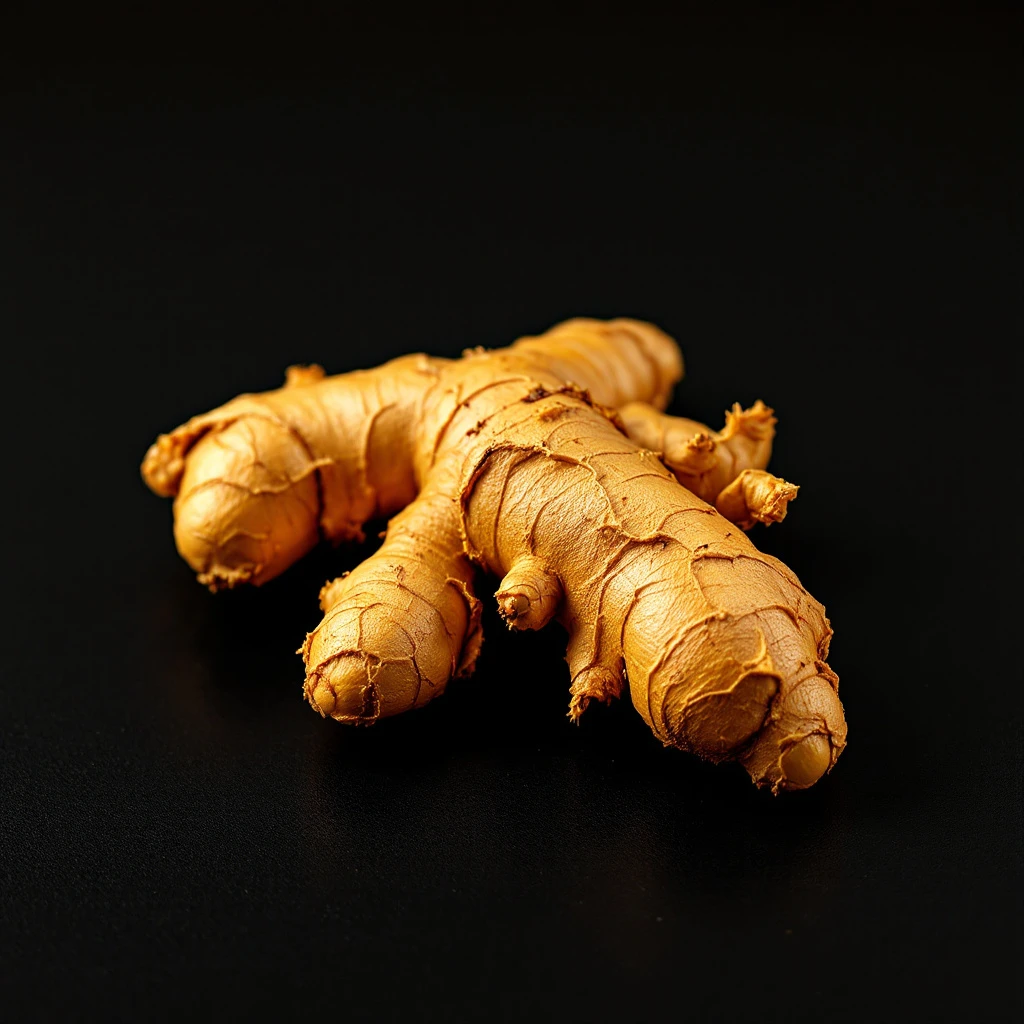
Tanzanian ginger delivers a warm, citrusy-spicy brightness that cuts through heavy bases. Its fresh, clean edge brings lift and energy to oriental and spicy compositions, offering more brightness than Jamaican or Indian varieties.
Character
How it smells
The East African rhizome bringing heat and lift to fragrance.
Tanzanian ginger contains higher citral content than most other origins, giving it a distinct citrusy warmth that makes it particularly valuable in fine perfumery for adding energy to heavier bases.





Origin
Tanzania
Ginger has grown in Tanzania for centuries, thriving in the country's warm coastal regions and river valleys. Swahili traders carried ginger along East African trade routes connecting to Arabia and India, where it entered both spice commerce and traditional medicine. Local healers used ginger preparations for digestive complaints and respiratory ailments, knowledge passed through generations.
Tanzanian communities developed cultivation techniques suited to the tropical climate, selecting varieties prized for their aromatic intensity. As global fragrance houses sought diverse ginger origins in the late 20th century, Tanzania emerged as a key supplier known for brighter, more citrus-forward oil profiles compared to the earthier Jamaican and Indian counterparts.
Wears it best
Fragrances featuring Tanzanian ginger
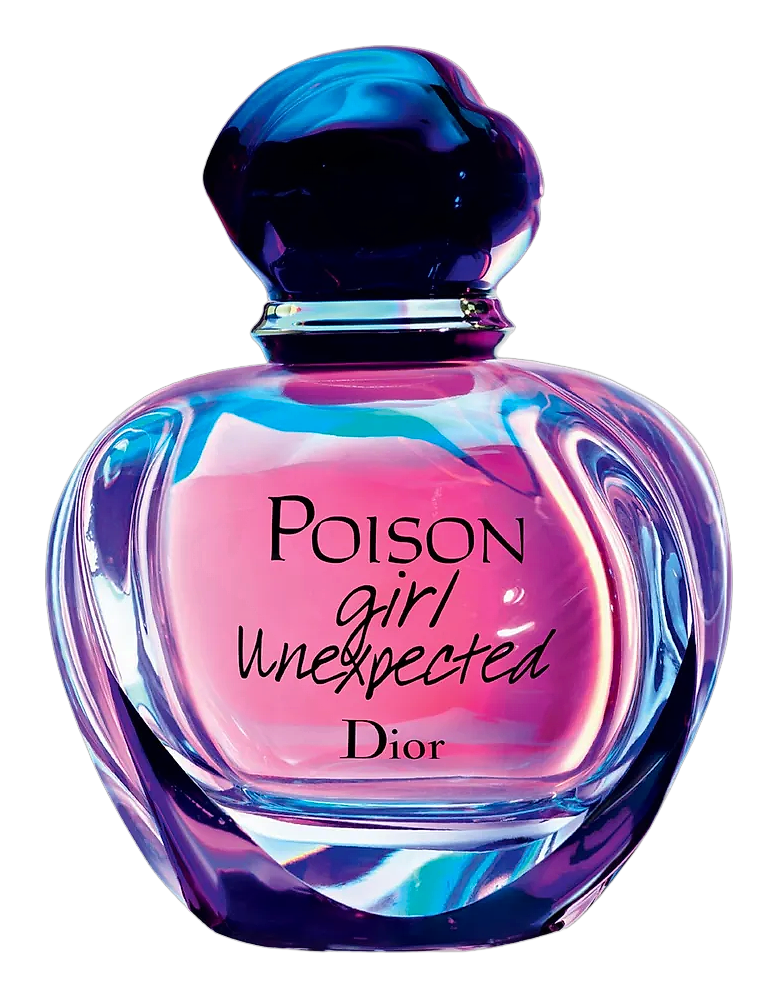
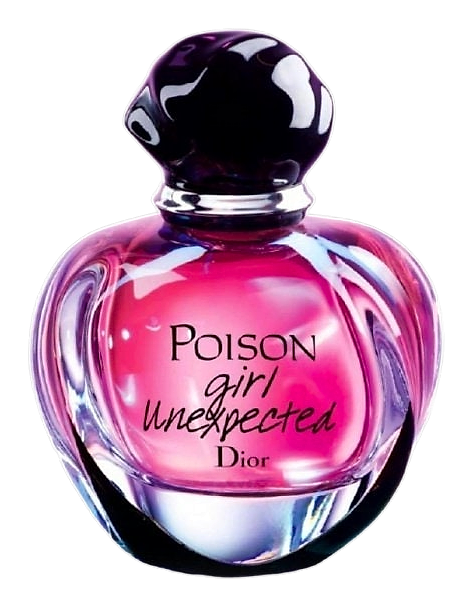
Brands
Brands known for Tanzanian ginger
Good to know
Questions, answered
The essentials on Tanzanian ginger in perfumery: how it smells, where it comes from, and how it behaves on skin.
What does Tanzanian ginger smell like in perfume?
Tanzanian ginger offers warm, spicy brightness with pronounced citrus notes. It cuts through heavy bases like sandalwood and amber, adding an energizing freshness that complements oriental and spicy fragrance constructions.
How is Tanzanian ginger essential oil extracted?
Steam distillation extracts the oil from fresh or sun-dried rhizomes over 6 to 10 hours. Tanzania's climate produces rhizomes with 1.5 to 3 percent volatile oil content, yielding an aromatic concentrate prized in fine fragrance.
What makes Tanzanian ginger different from other ginger origins?
Tanzanian ginger contains higher citral content, giving it a citrusy warmth distinct from Jamaican or Indian varieties. This brightness makes it particularly valuable for adding lift to heavier fragrance compositions.
Which perfume families use Tanzanian ginger?
Tanzanian ginger appears in oriental fragrances, spicy compositions, and fresh citrus blends. Perfumers use it to add warmth and energy to amber, woody, and aromatic constructions requiring a bright, spicy lift.
Is ginger used as a top, middle, or base note?
Ginger typically functions as a top to middle note due to its volatility. In perfumery, it provides an initial spicy brightness that develops into warmer, more rounded characteristics as the fragrance unfolds.
What part of the ginger plant is used in perfumery?
Perfumery extracts oil from the rhizome, the underground horizontal stem. Farmers harvest these fleshy roots, clean and slice them, then process them fresh or after controlled sun-drying to preserve aromatic compounds.
How long has Tanzania produced ginger for fragrance?
Ginger cultivation in Tanzania dates back centuries through Swahili trade networks. However, dedicated essential oil production for global fragrance markets emerged in the late 20th century as international demand grew for diverse ginger origins.
Can synthetic ginger replace natural Tanzanian ginger in perfume?
Synthetic ginger compounds exist but cannot fully replicate natural ginger oil's complexity. Natural Tanzanian ginger offers a citrusy freshness with nuanced aromatic depth that synthetic alternatives typically lack in premium fragrance formulations.