Sweet Spices
Warmth distilled from nature's bounty. Sweet spices bring an enveloping comfort to fragrance, their rich, edible character evoking honeyed memories and seasonal indulgence.
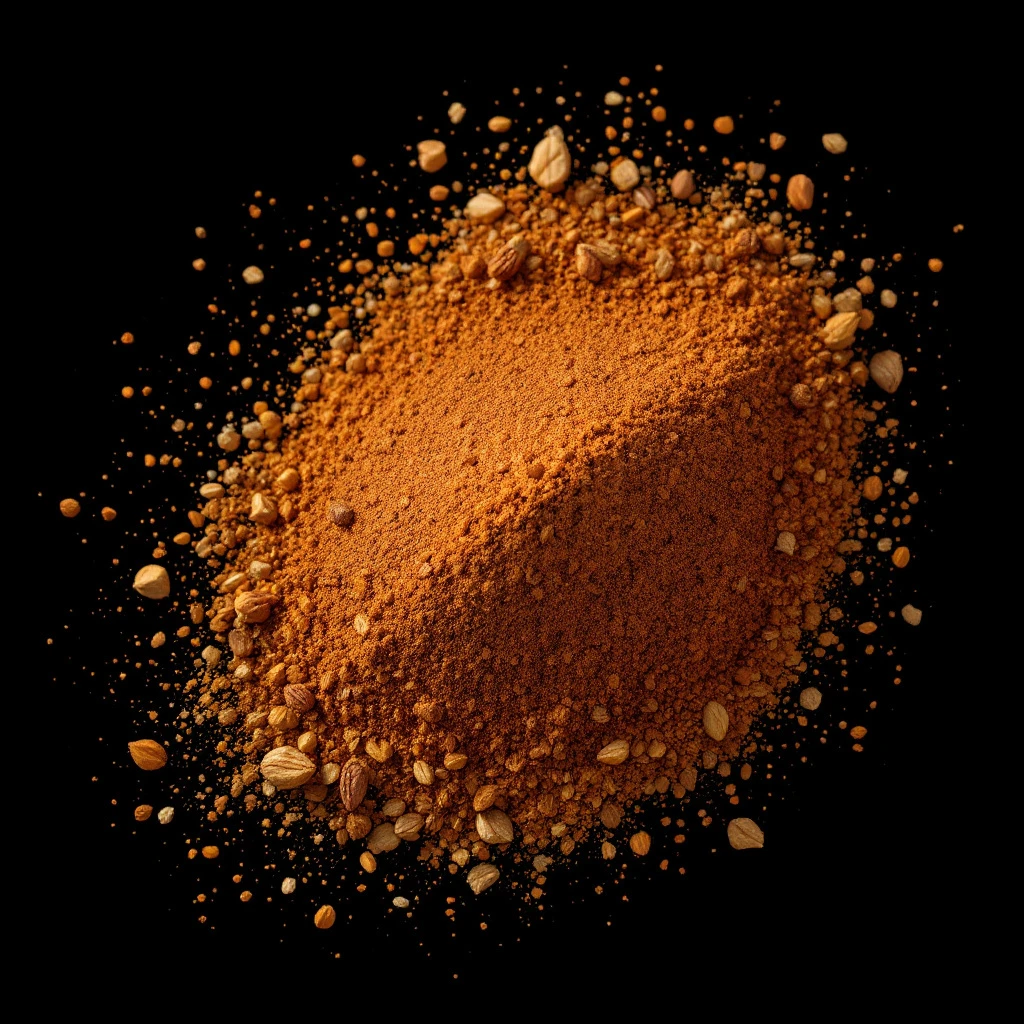
Character
How it smells
Edible warmth that lingers on the skin.
Ancient Egyptians prized cinnamon and cassia so highly that Roman emperors considered them worth their weight in gold during trade.
Pairs beautifully with
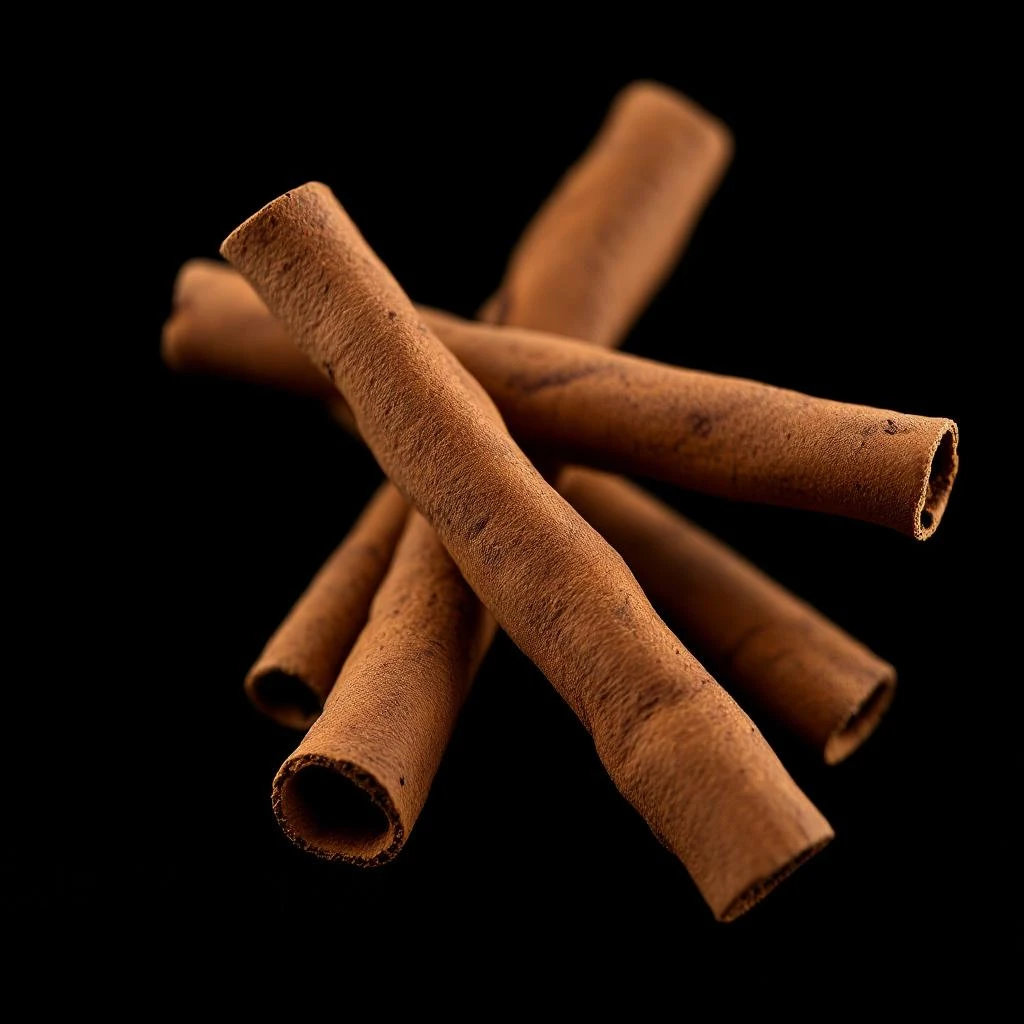
Origin
Madagascar
Sweet spices shaped the course of human civilization. Ancient Egyptians burned cassia and cinnamon in religious ceremonies, reserving these materials for temple priests and royalty. Phoenician traders kept their spice sources secret, creating monopoly myths about dragon-guarded forests.
The quest for cinnamon drove Portuguese explorers to circumnavigate Africa in 1488, fundamentally redirecting world trade routes. Medieval Europeans concealed these precious aromatics in ecclesiastical treasuries, treating them as sacred unguents. By the Renaissance, perfumers in Grasse began incorporating sweet spice essences into pomades and scented gloves, establishing the foundation for modern perfumery.
These ingredients carried both spiritual significance and sensory pleasure across three millennia of continuous use.
Wears it best
Fragrances featuring Sweet Spices
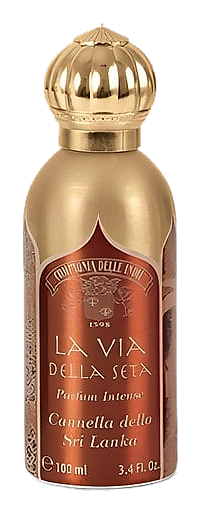
Brands
Brands known for Sweet Spices
Good to know
Questions, answered
The essentials on Sweet Spices in perfumery: how it smells, where it comes from, and how it behaves on skin.
What defines a sweet spice in perfumery?
Sweet spices are aromatic materials with warm, edible, often slightly sugary characteristics. Vanilla, cinnamon, tonka, and benzoin represent this category. These materials contain compounds like vanillin, coumarin, and cinnamaldehyde that create their distinctive warm, comforting signatures in fragrance compositions.
Do perfumers use natural or synthetic sweet spice materials?
Modern perfumers employ both natural and synthetic sweet spice materials. Natural vanillin from cured vanilla beans offers complex, nuanced warmth. Synthetic vanillin provides consistency and cost stability. Many compositions layer both types, using naturals for character and synthetics for volume and longevity.
Which sweet spice lasts longest on skin?
Benzoin and vanilla absolute typically persist longest, often remaining detectable for 24+ hours. Tonka bean coumarin provides substantial longevity around 12-18 hours. Cinnamon bark essential oil, while powerful, evaporates more rapidly, usually lasting 2-4 hours before the characteristic warmth recedes.
Can sweet spices cause skin sensitivity?
Cinnamon bark oil and cinnamaldehyde derivatives present the highest sensitivity risk among sweet spices. Coumarin in tonka bean may trigger reactions in sensitive individuals. Vanilla absolute and benzoin generally rank as lower-risk materials, though individual reactions vary. EU regulations cap coumarin levels in consumer products for this reason.
What fragrance families pair best with sweet spices?
Oriental and amber fragrances naturally incorporate sweet spices, creating warm, enveloping compositions. Gourmand fragrances rely on sweet spices like vanilla and tonka for their edible character. Chypre and woody formulas use sweet spices as heart notes that connect top and base elements.
Which sweet spice offers the most versatile character?
Vanilla performs across the widest range of applications, from light floral compositions to deep oriental resins. Its coumarin-rich, slightly sweet profile adapts to masculine, feminine, and unisex fragrances without dominating. Perfumers reach for vanilla when they need warmth that invites rather than overwhelms.
How do sweet spices behave in different concentrations?
Sweet spices reveal different qualities at varying concentrations. Low doses provide a subtle warmth and richness that enhances other materials. Medium concentrations create identifiable character notes that define fragrance personality. High concentrations produce bold, sometimes cloying signatures that dominate entire compositions and work best in small用量.
Are sweet spices sustainable fragrance choices?
Sustainability varies significantly by material. Vanilla cultivation supports small farmers in Madagascar and supports biodiversity when grown agroforestry-style. Benzoin harvesting in Laos and Sumatra can involve sustainable tapping practices but risks overharvesting. Synthetic alternatives like vanillin reduce agricultural pressure, offering a more predictable environmental profile.