Sweet Potato
Sweet potato brings an unexpected warmth to fine fragrance, its earthy, candied sweetness redefining what gourmand perfumery can be. This humble root, once confined to dessert plates, now anchors some of the most innovative scents in modern nez-making.
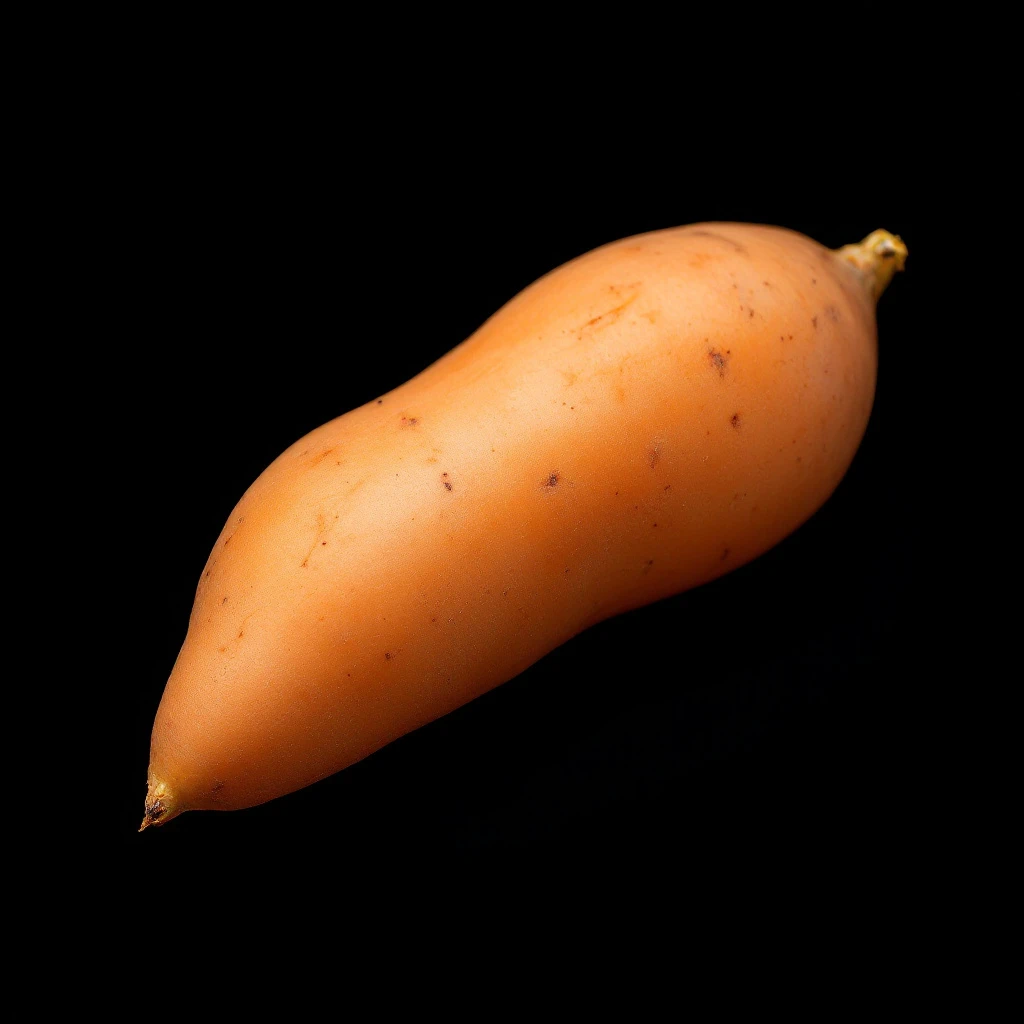
Character
How it smells
A candied root reshaping gourmand perfumery.
Sweet potato leaves release the terpene DMNT when damaged, a defense mechanism that also gives the root its distinctive aroma.
Pairs beautifully with

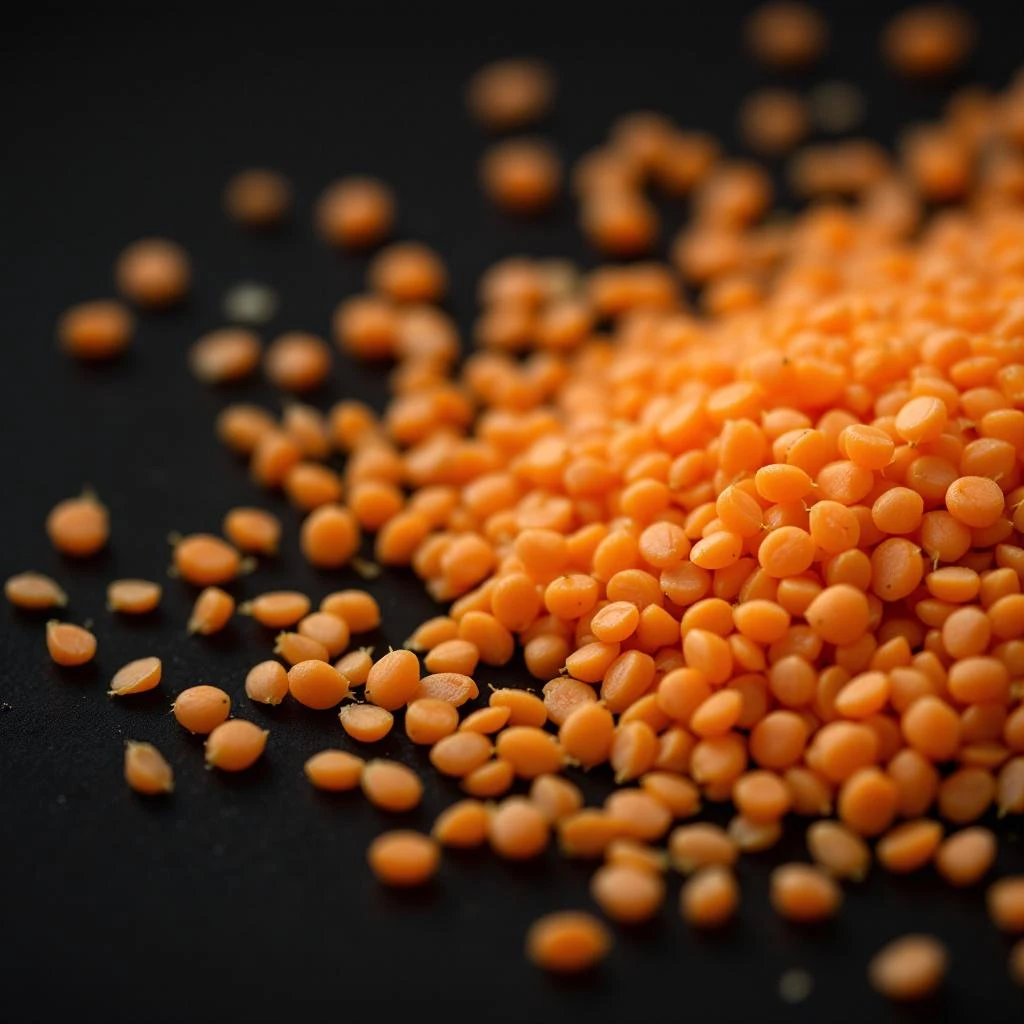
Origin
Peru
Sweet potato cultivation dates to prehistoric Central and South America, where indigenous peoples bred the plant for both nutrition and its distinctive flavor. European traders encountered the crop during the 16th century, and candied sweet potato recipes appeared in early modern cookbooks across the continent.
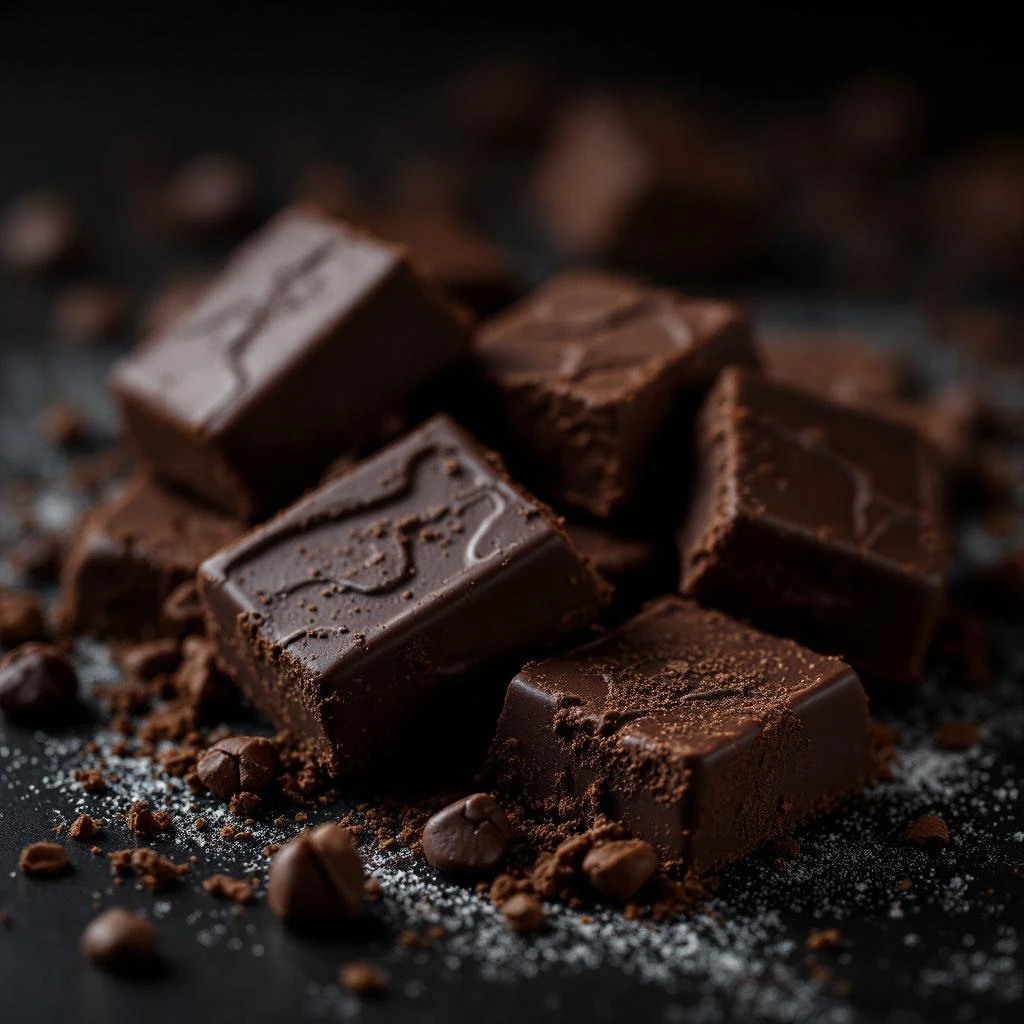
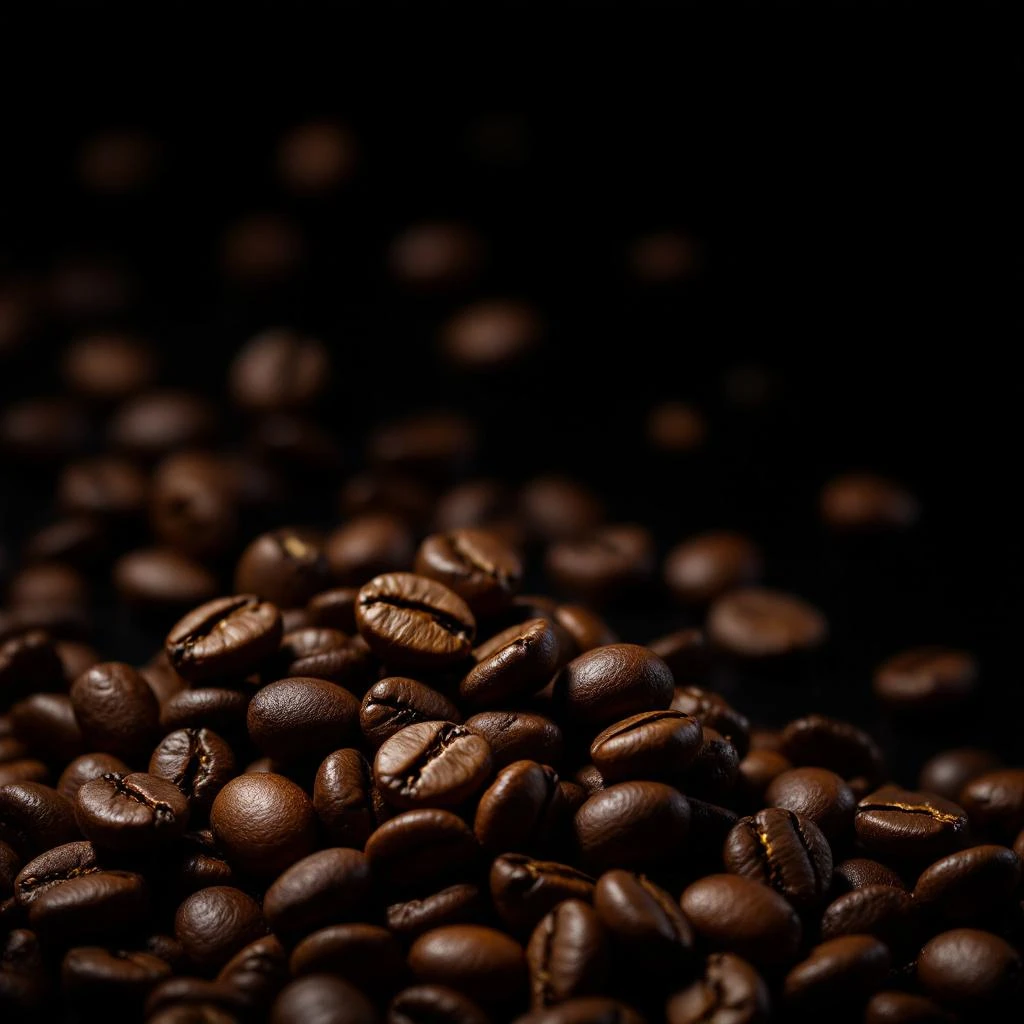
The ingredient's transition to perfumery is far more recent. Gourmand fragrances, which began gaining traction in the 1990s, opened creative space for unconventional edible notes. Perfumers initially approached sweet potato cautiously, concerned its savory dimension might overwhelm. The breakthrough came when creators recognized that sweet potato's pyrazine compounds also exist in coffee and cocoa, allowing it to bridge gourmand and woody categories.
Alloy Studios' 2023 Sweet Potato fragrance marked a watershed moment, placing the ingredient at center stage rather than as a supporting element. Today, several niche houses incorporate sweet potato absolute or synthetic analogues, drawn to its complexity that shifts between dessert-like sweetness and grounding earthiness.
The ingredient's journey from pre-Columbian food crop to luxury fragrance represents perfumery's ongoing expansion of its botanical vocabulary, embracing materials once considered purely culinary.
Wears it best
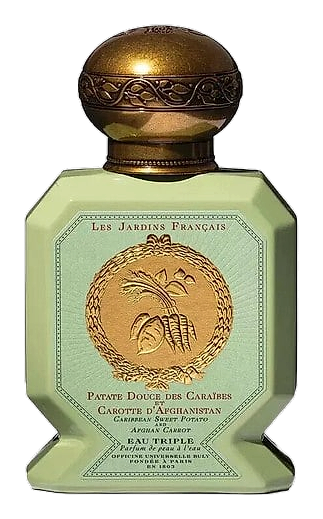
Fragrances featuring Sweet Potato
Brands
Brands known for Sweet Potato
Good to know
Questions, answered
The essentials on Sweet Potato in perfumery: how it smells, where it comes from, and how it behaves on skin.
What does sweet potato smell like in perfume?
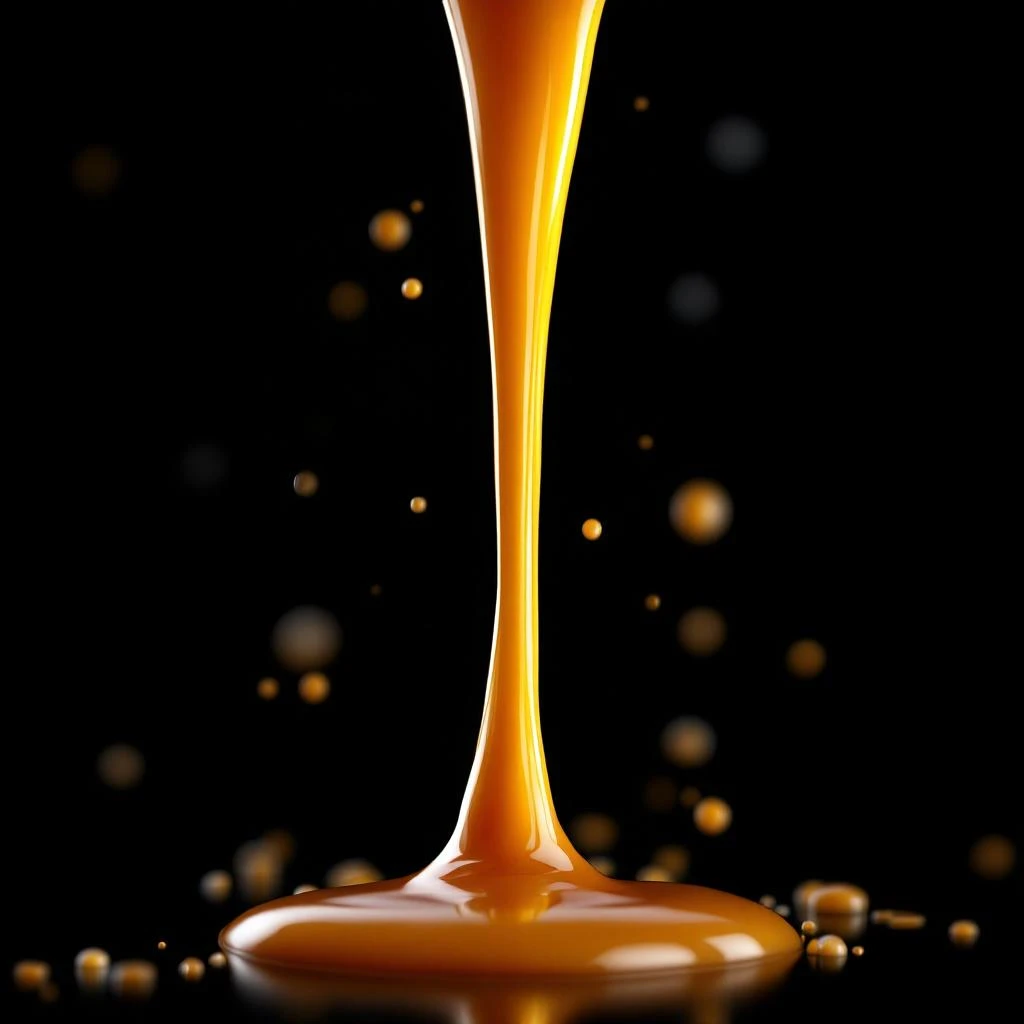
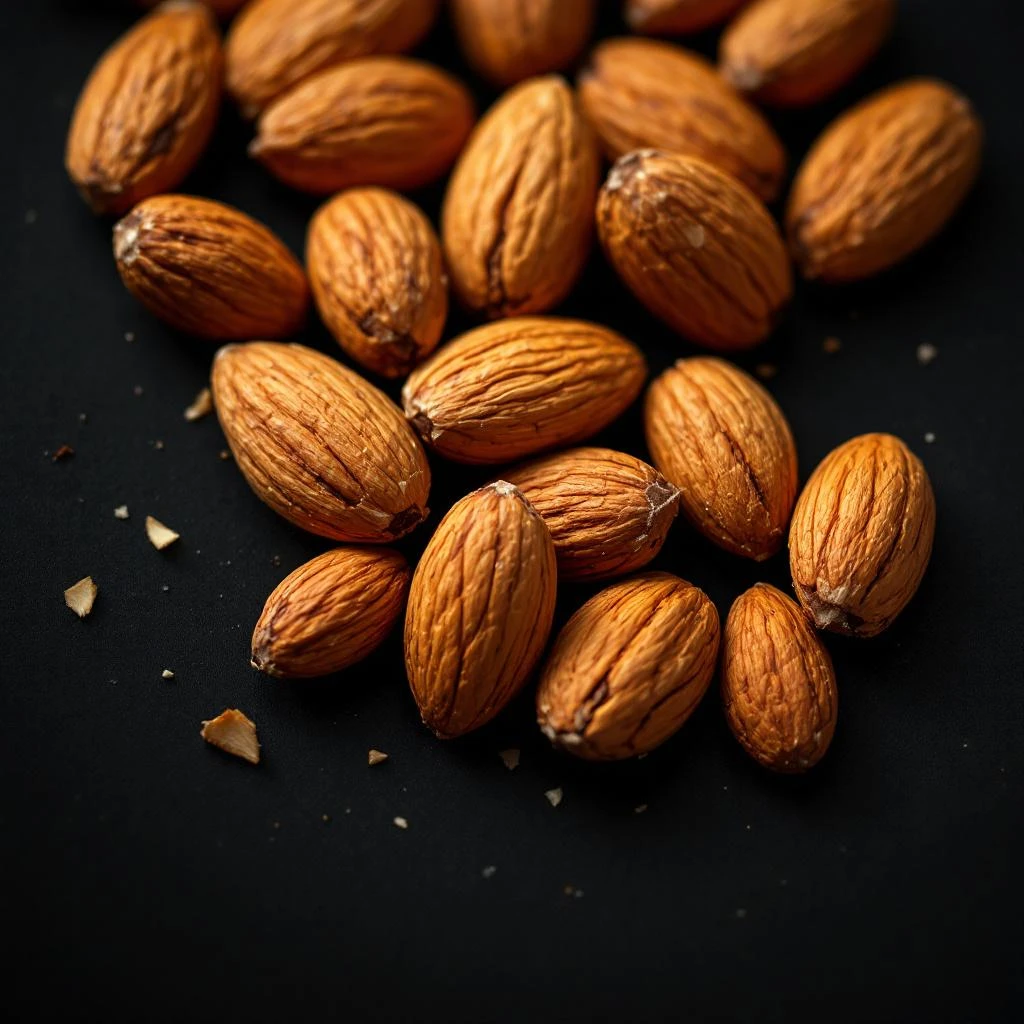
Sweet potato in perfumery delivers warm, caramelized sweetness with earthy undertones. Its profile combines candied tuber notes with subtle nuttiness, resembling brown sugar and roasted vegetables in a pleasant way.
Is sweet potato a natural or synthetic fragrance ingredient?
Both forms exist. Natural sweet potato absolute comes from solvent extraction of the tuber, while synthetic pyrazines and furanones replicate its aromatic profile for broader use in formulations.
Which fragrance families commonly use sweet potato?
Gourmand fragrances most frequently feature sweet potato, though it appears in Woody-Gourmand compositions where its earthiness complements sandalwood, cedar, and cashmeran.
Does sweet potato note last long on skin?
Sweet potato absolute shows good substantivity, typically remaining detectable for 4-6 hours depending on concentration and companion ingredients in the formula.
Can sweet potato trigger allergies in perfume?
Sweet potato itself is not a documented fragrance allergen. However, as with any botanical material, patch testing is advisable for sensitive individuals.
What other ingredients pair well with sweet potato?
Vanilla, tonka bean, coumarin, and maple notes enhance sweet potato's dessert-like qualities. For contrast, vetiver, cedar, and mineral notes ground its sweetness effectively.
Where does fragrance-quality sweet potato come from?
Fragrance suppliers source sweet potato extracts primarily from North America and East Asia, where cultivation practices and extraction facilities meet quality standards for aromatic materials.
How does sweet potato differ from similar notes like yam or taro?
Sweet potato carries more pronounced pyrazine notes giving it a roasted character, while yam tends toward watery freshness and taro offers starchier, more neutral sweetness.