St John's Wort
Distilled from Hypericum perforatum flowers, this oil carries a warm, herbaceous character with subtle balsamic undertones. Its use in perfumery remains rare but intriguing.
Character
How it smells
An ancient herb with a celestial name and a quietly compelling scent.
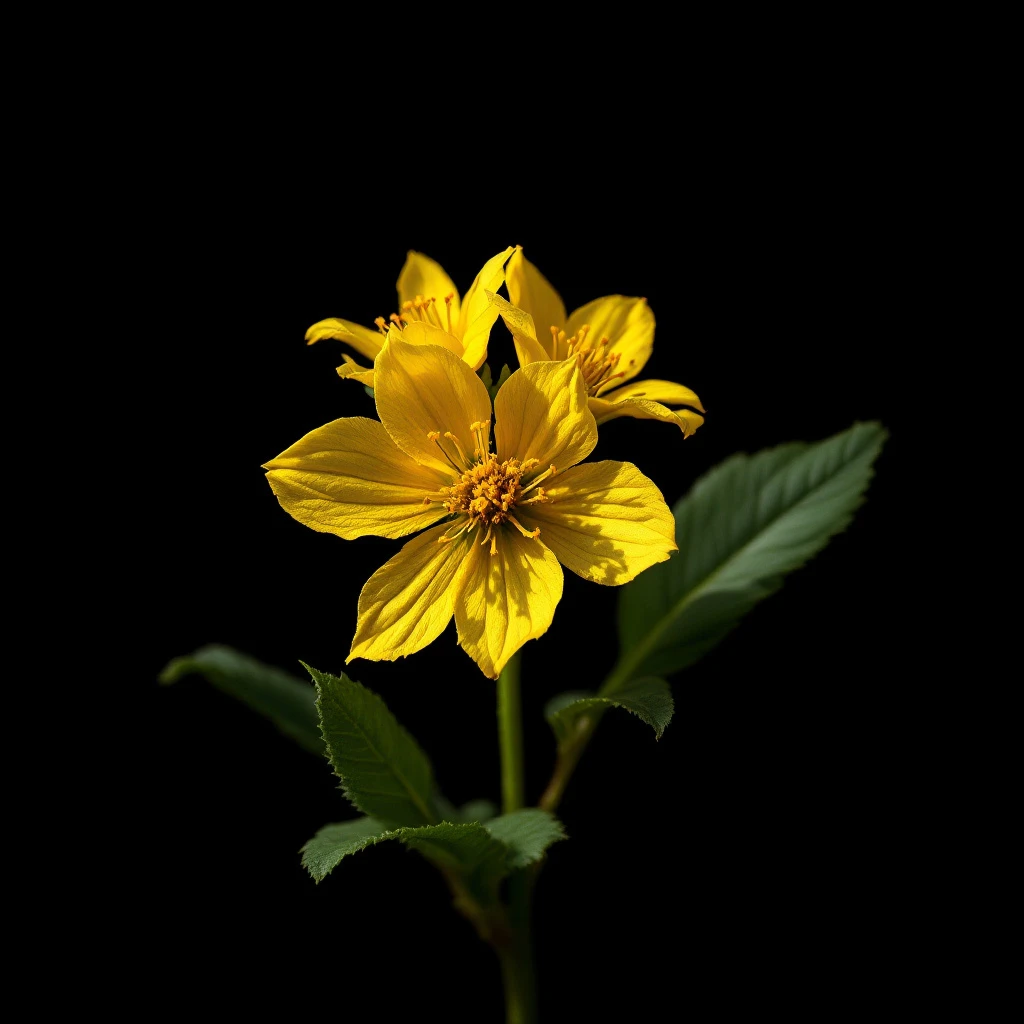
Blooming near the summer solstice, St. John's Wort was named for St. John the Baptist, with its red-spotted stems traditionally said to carry traces of his blood.
Pairs beautifully with
Origin
Europe
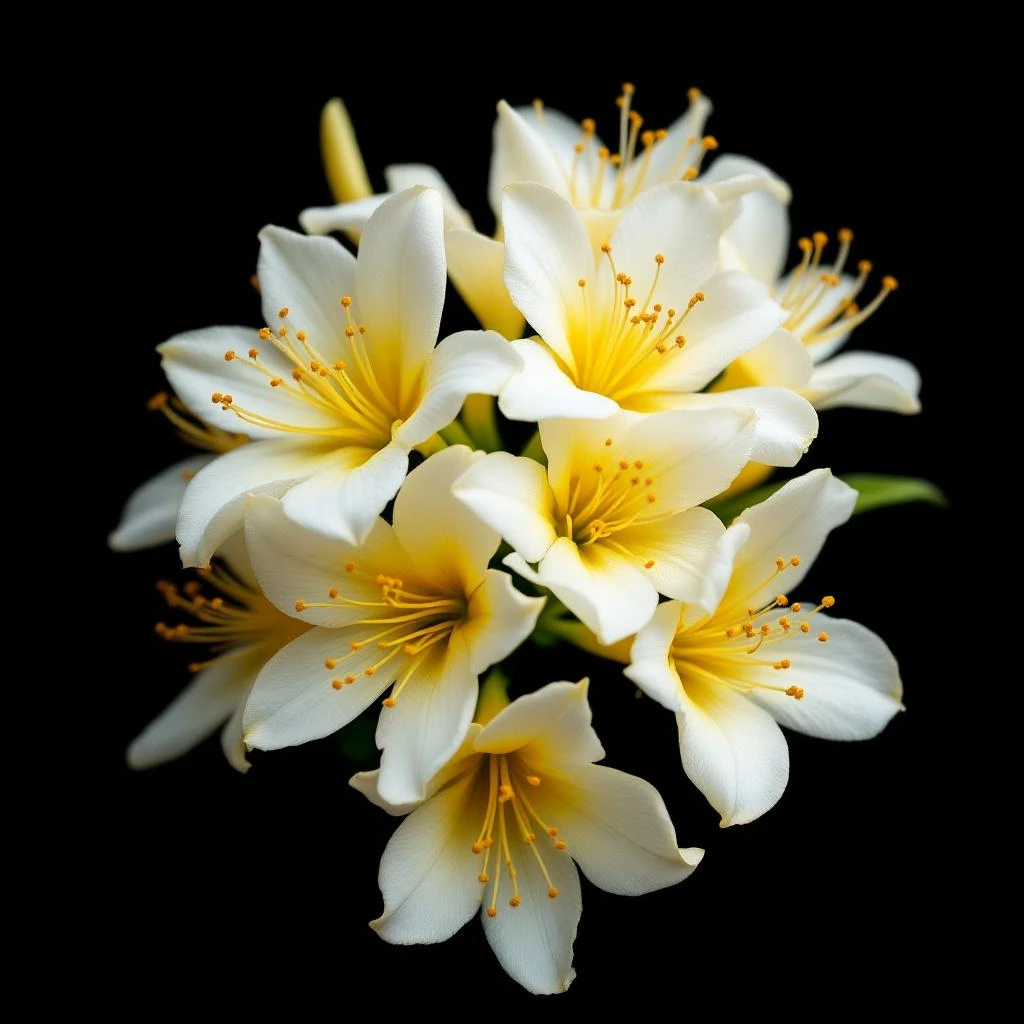
St. John's Wort carries one of the most evocative names in the herbal lexicon, derived from its traditional harvest date around June 24, the feast day of St. John the Baptist.
European folk medicine elevated this plant to near-mystical status for centuries. Greek physicians prescribed it for wound healing and nervous conditions, while medieval herbalists believed it warded off evil spirits and protected against lightning strikes. The plant's botanical name, Hypericum perforatum, refers to the tiny translucent dots visible when leaves are held to light, which folk tradition interpreted as windows to the spirit world.
Byzantine manuscripts from the 10th century already depicted the herb with reverence. When European settlers brought Hypericum perforatum to North America, indigenous healing traditions adopted it alongside their own botanical knowledge. Despite centuries of medicinal use, perfumery has only occasionally explored this material, finding its warm, herbaceous character best suited to artisanal botanical fragrances rather than mainstream compositions.
Wears it best
Fragrances featuring St John's Wort
Brands
Brands known for St John's Wort
Good to know
Questions, answered
The essentials on St John's Wort in perfumery: how it smells, where it comes from, and how it behaves on skin.
Does St. John's Wort oil appear often in commercial fragrances?
Rarely. Its use in perfumery remains uncommon because the extraction process yields a subtle aromatic material better suited to artisanal, botanical-focused compositions than mass-market fragrances.
What does St. John's Wort oil smell like?
The oil carries a warm, herbaceous aroma with earthy, slightly balsamic undertones. Its scent is quiet rather than assertive, which explains its niche status in fragrance formulation.
Is St. John's Wort the same ingredient used in herbal supplements?
Yes, the botanical source is identical. The Hypericum perforatum plant serves both the fragrance industry and the herbal supplement market, though different extraction methods may emphasize different compounds.
What part of the plant yields the oil?
The fresh flowering tops, including the small yellow flowers and surrounding stem material, are harvested at peak bloom and steeped in carrier oil to produce the aromatic extract.
Where does commercial St. John's Wort oil originate?
The plant is native to Europe, West Asia, and North Africa, with significant production of herbal extracts concentrated in Mediterranean regions where the climate supports optimal flowering.
Why is small-batch production emphasized for this ingredient?
The naphthodianthrones responsible for the oil's characteristic ruby-red color and aromatic profile degrade quickly during extended or high-heat processing, making artisanal methods more suitable for preserving quality.
Can synthetic alternatives replicate St. John's Wort oil?
No straightforward synthetic replicate exists. The oil's complex profile, combining herbaceous warmth with subtle balsamic notes, reflects the specific chemistry of the macerated botanical rather than a single isolable compound.
Is St. John's Wort oil safe for skin contact in fragrances?
The oil contains hypericin and hyperforin, which can cause photosensitivity in some individuals. Fragrance formulations using this ingredient should follow standard dilution guidelines and provide appropriate usage direction.