Sheer Woods
Luminous, translucent woody notes that bring airy depth without weight. Sheer Woods define modern transparent perfumery with a quiet confidence that lingers.
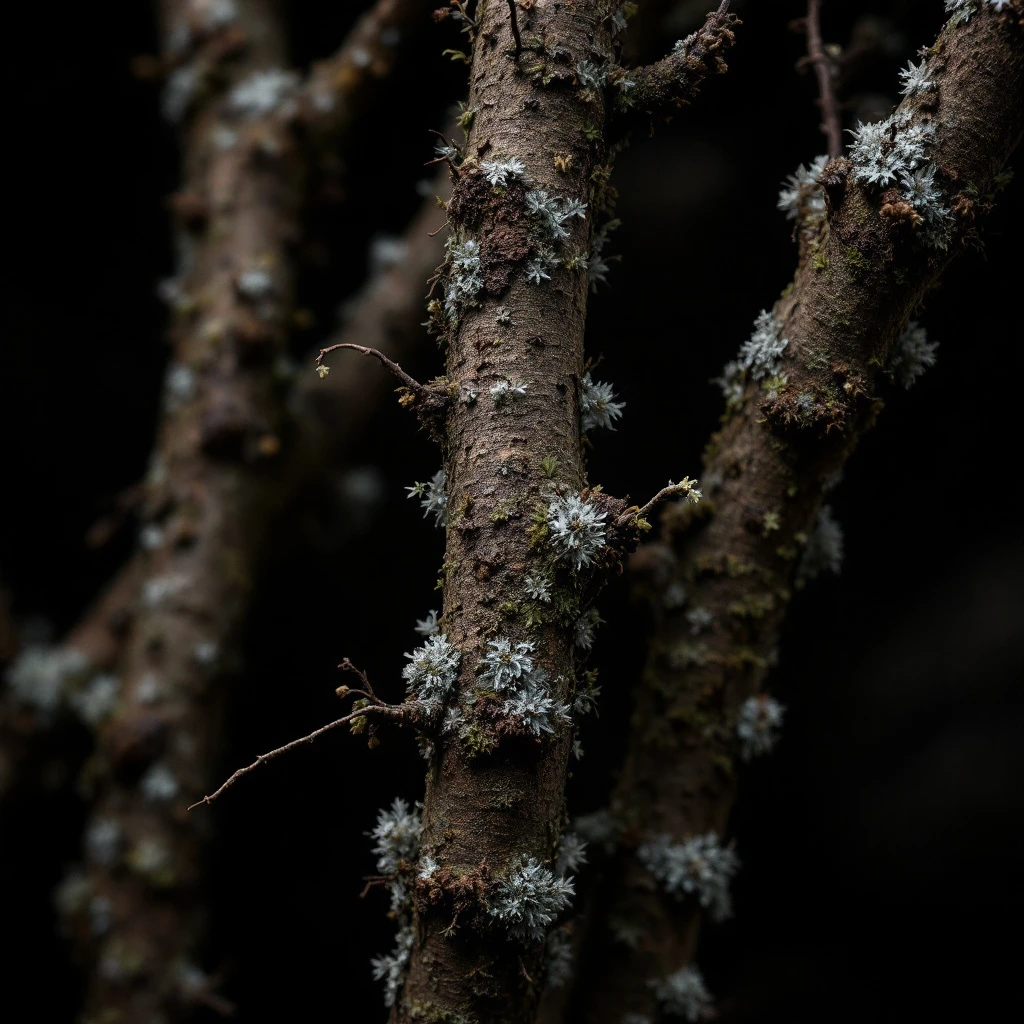
Character
How it smells
Wood without the weight.
The transparency in Sheer Woods comes from modern aroma chemicals that capture woody soul while remaining weightless on skin.




Origin
Global production
Woods have anchored perfumery for millennia, but the Sheer Woods movement emerged only in the late 20th century when consumer preferences shifted toward lightness. Early perfumers relied on heavy sandalwood, cedar, and vetiver bases to provide fragrance structure.
The 1990s brought a revolution: perfumers began isolating specific aromatic molecules from woods rather than using whole extracts. This scientific approach yielded materials with the soul of wood but whisper-light presence.
A modern classic from this era demonstrated that woods could provide intimacy without overwhelming. Today, Sheer Woods represent how modern chemistry honors natural traditions while creating something entirely new for contemporary preferences.
Wears it best
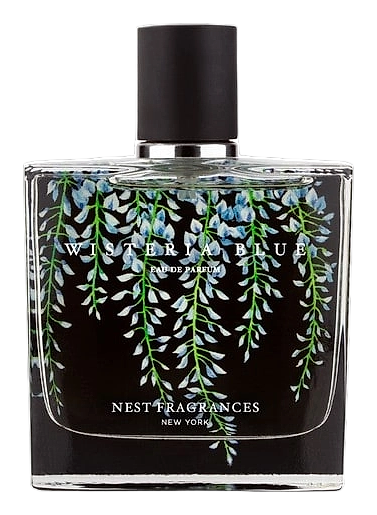
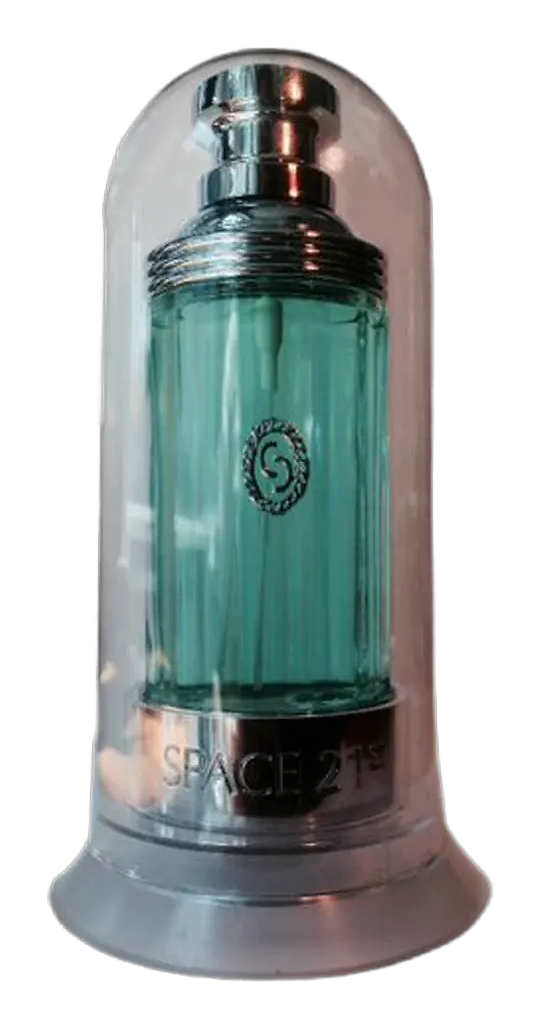
Fragrances featuring Sheer Woods
Brands
Brands known for Sheer Woods
Good to know
Questions, answered
The essentials on Sheer Woods in perfumery: how it smells, where it comes from, and how it behaves on skin.
What are Sheer Woods in perfumery?
Sheer Woods are light, translucent woody notes that add depth without heavy presence. They use refined wood extracts and modern aroma chemicals to capture the essence of wood in an airy, transparent form.
Are Sheer Woods natural or synthetic?
Both. Sheer Woods typically blend natural isolates from cedar and other woods with modern synthetic woody molecules. This combination creates the transparent effect unavailable from natural woods alone.
Which fragrances use Sheer Woods?
Sheer Woods appear in countless modern fragrances, particularly florals and orientals seeking subtle woody foundations. They provide structure without competing with lighter top notes.
How do Sheer Woods differ from traditional woods?
Traditional woods like sandalwood and oud are dense and long-lasting. Sheer Woods offer similar depth but with reduced sillage and weight, creating an intimate rather than projecting effect.
What materials create the Sheer Woods effect?
Key materials include Veratraldehyde, Norlimbanol, Timberol, light cedarwood fractions, and various synthesized woody molecules developed since the 1970s.
Can Sheer Woods be combined with heavy woods?
Yes. Perfumers often layer sheer woods with traditional woods to create contrast. The transparent notes lift heavier woods, preventing them from becoming too dense or overwhelming.
Why did Sheer Woods become popular?
Consumer preferences shifted toward lighter fragrances in the 1990s and 2000s. Sheer Woods met this demand by providing the depth and structure of woods without the traditional heavy character that many found too intense.